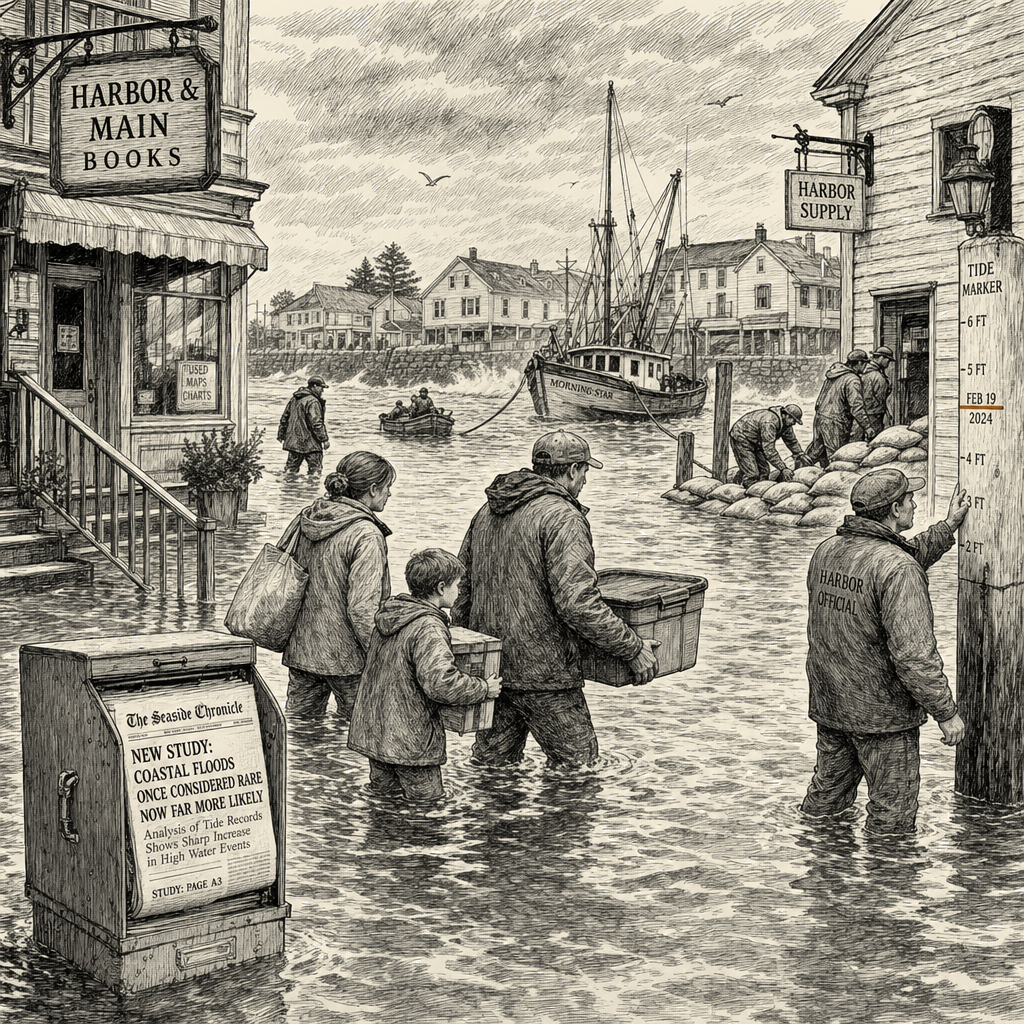
Extreme coastal floods that once had a 1% chance of occurring in any given year are now about 12 times more likely, on average, according to new research published Wednesday in the journal Nature Climate Change. The study found that human-driven climate change has made those events about four times more likely.
The findings underscore how rising sea levels, caused by the burning of fossil fuels, are compounding the risks posed by high tides and storm surges, researchers said. Climate change has strengthened storms such as Hurricane Ian, which caused significant flooding in 2022, scientists said.
These big coastal floods happen when high tides and storm surges — the amount of water above normal tide level — combine with seas that are already rising, according to the research. Those factors pile on top of natural climate patterns and other human influence.
Flooding threatens hundreds of millions of people each year in low-lying coastal areas across the globe, the AP reported. It also causes billions of dollars in damage and can be deadly.
Experts said the findings are crucial for making plans about floods and coastal infrastructure as the planet warms.
MSI has previously reported that scientists have narrowed the range of plausible global warming futures and have found that the 1.5°C target is slipping in a separate study.