Analytical Technique

Structural Relationships

Extracting the web of relations among people, institutions, and entities — the topology of who and what is connected to whom.

Recent Analysis Articles

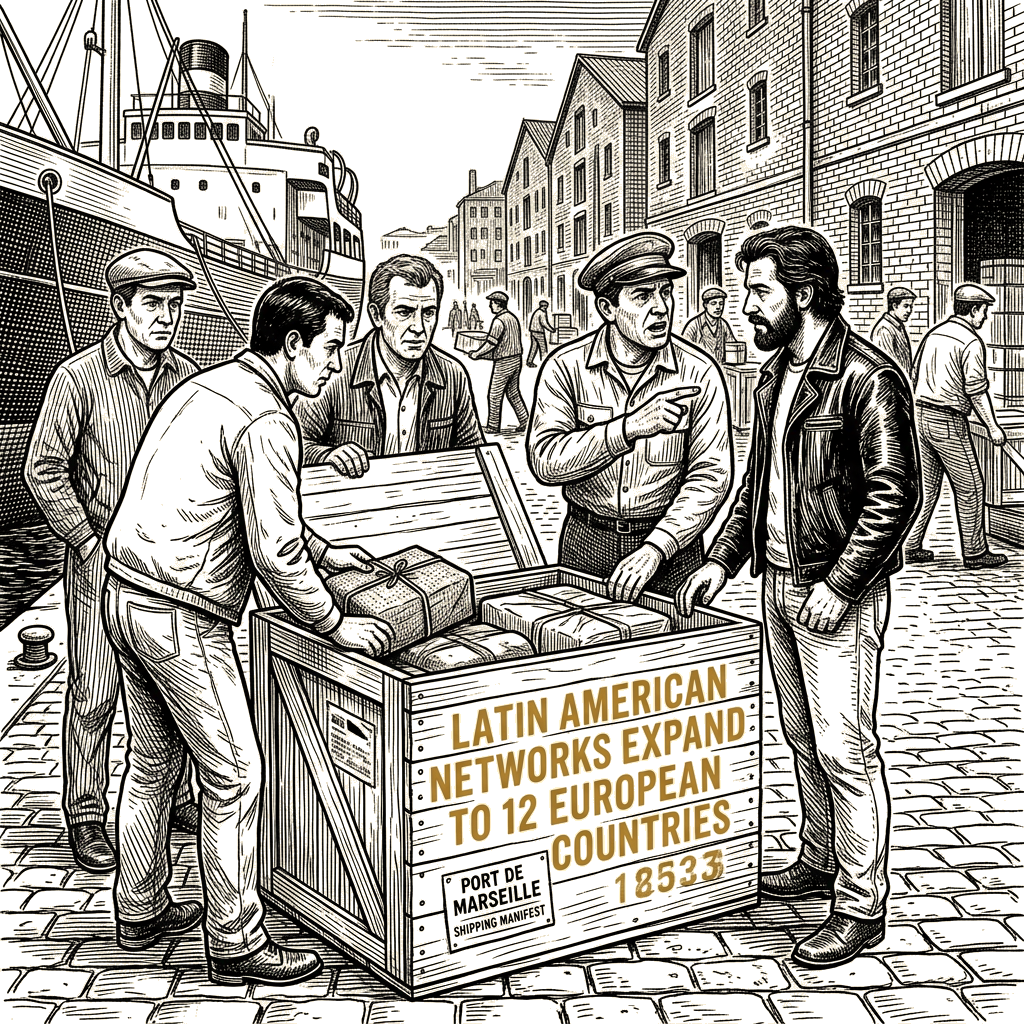
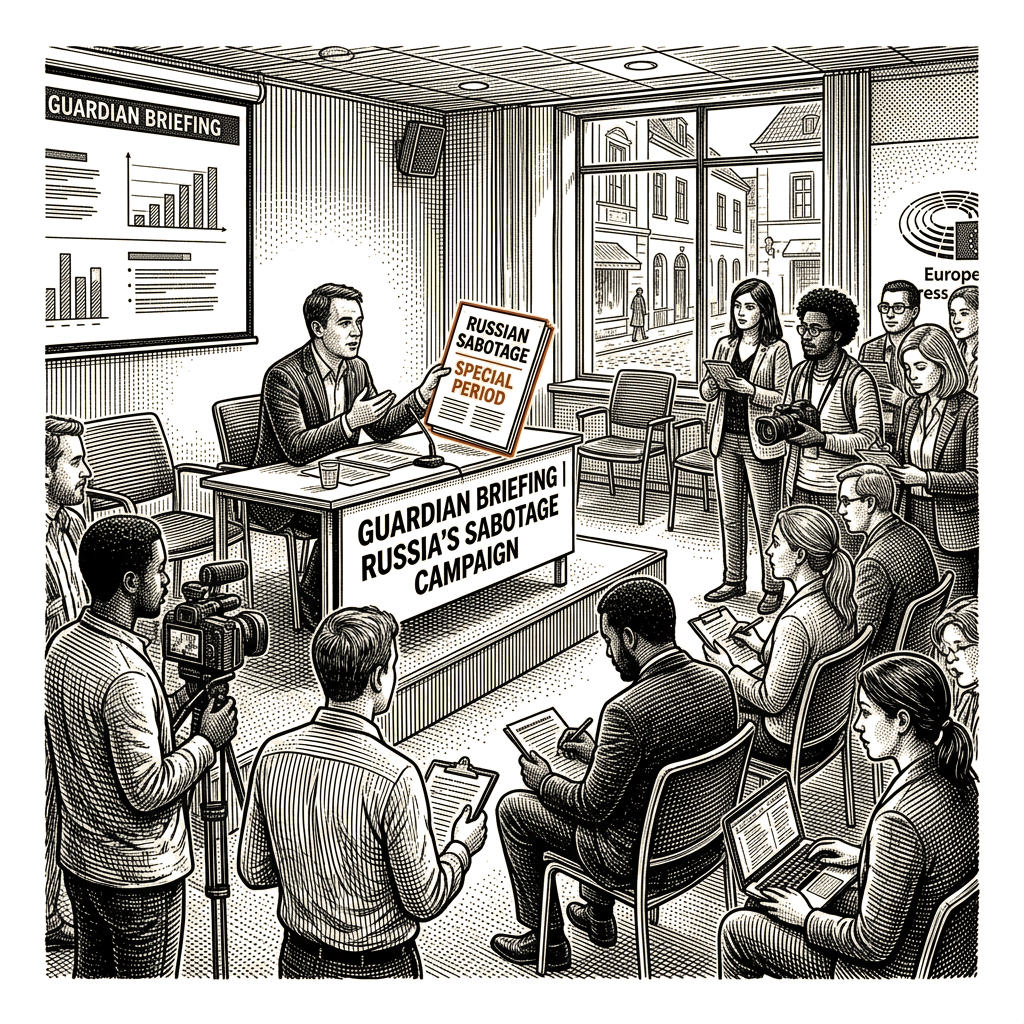
Guardian investigation documents Latin American criminal networks operating across twelve European countries

Illustration accompanying article: Latin American criminal networks expand
  • The Guardian's four-month investigation drawing on police and intelligence-agency databases and interviews with judges, prosecutors, and experts from eight countries documents Latin American criminal organizations with identified activity in at least twelve European countries, while an unpublished São Paulo public prosecutor's office report identifies PCC operations in sixteen countries.
  • Cocaine seizures in Europe rose 471% between 2014 and 2024, and drug production in Latin America reached a record approximately 4,100 tonnes in 2024 — roughly four times the 2014 figure — as production growth, processing relocation, and partner-network integration reinforced one another.
  • The relationship structure documented in the reporting is bipartite and emissarial: named Latin American organizations on one side, collectively described European criminal partners on the other, with operational contact running through cells, business emissaries, and joint ventures identified by transnational cases.
  • Daniel Brombacher of the Global Initiative Against Transnational Organized Crime has characterized the geographic pattern as "something new happening with a presence of Latin American groups in geographies where there's no pre-existing infrastructure," supported by documentary evidence of meth-lab sites in southern France, north-eastern Poland, and Brandenburg.
2026-10-13 · 5 MIN READ

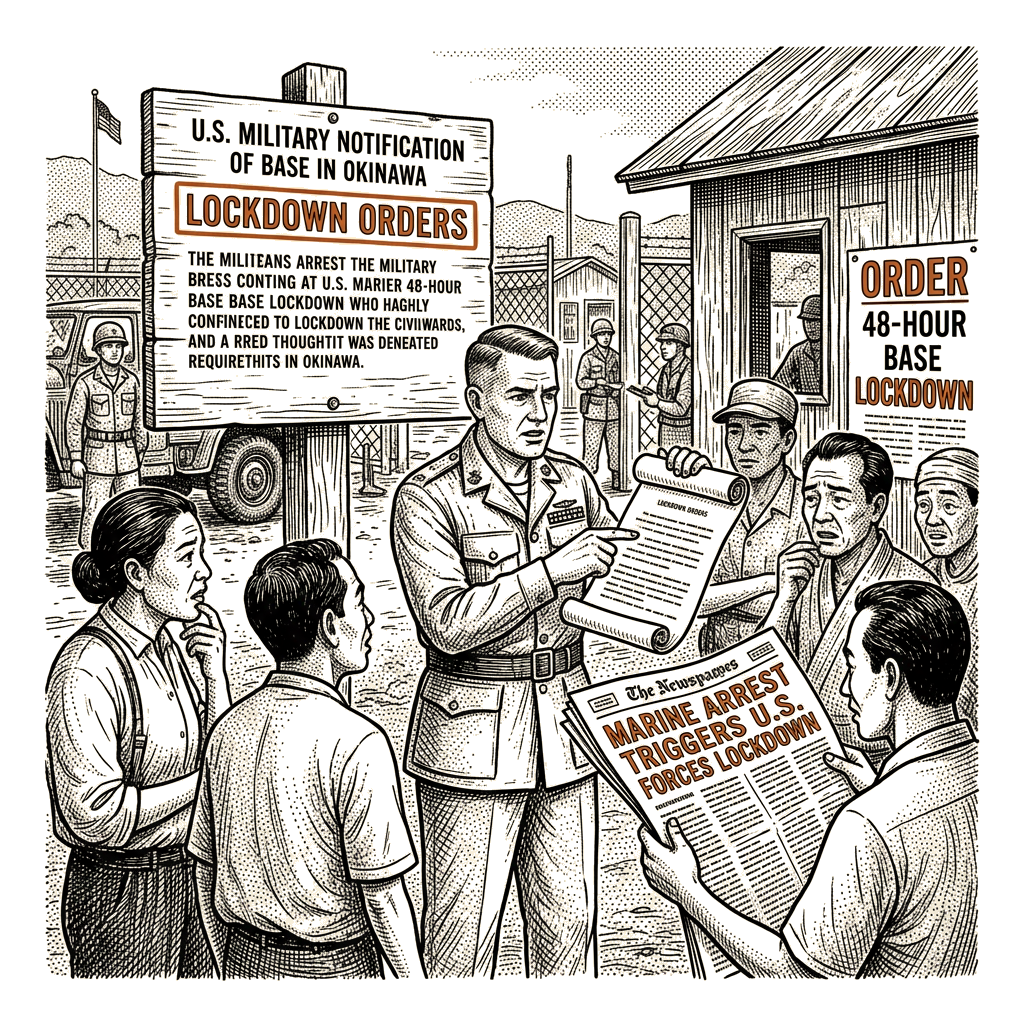
Okinawa pause addresses military command interests, leaves prefectural SOFA demands unresolved

Illustration accompanying article: U.S. forces in Okinawa order 48-hour base lockdown after Marine arrest
  • Lt. Gen. Benjamin T. Watson's 48-hour operational pause on Okinawa advances U.S. military command's procedural and recognition interests while leaving the structural demand for a fundamental revision of the U.S.-Japan Status of Forces Agreement outside the addressed frame.
  • The pause, in effect from 12 a.m. Wednesday to 12 a.m. Friday, imposes mandatory training on liberty policy, alcohol awareness, Okinawan culture, and alliance responsibilities, with a complete alcohol prohibition across the force.
  • Marine Devin Jacob Ballard, 20, stationed at MCAS Futenma, was arrested Sunday on accusations of strangling 39-year-old Anna Yagi at a Naha hotel between 2 a.m. and 4 a.m. Saturday and taking her wallet and other belongings, a case now moving through the criminal-justice track under SOFA's jurisdictional allocation.
  • Japan Foreign and Defense ministries lodged protests with their U.S. counterparts through diplomatic and military-to-military channels respectively, and Okinawa Gov. Genta Koja met Defense Minister Shinjiro Koizumi in Tokyo on Wednesday calling for a stronger response than warnings and training.
  • The cumulative pattern — procedural protest escalating to high-level engagement, structural demands aired alongside tactical ones, public anger reported as having grown since the arrest — corresponds to escalation markers identified in third-side scholarship, with the conduct-level response leaving the framework-level engagement Koja names as necessary outside the 48-hour window.
2026-10-07 · 5 MIN READ