2026-02-28
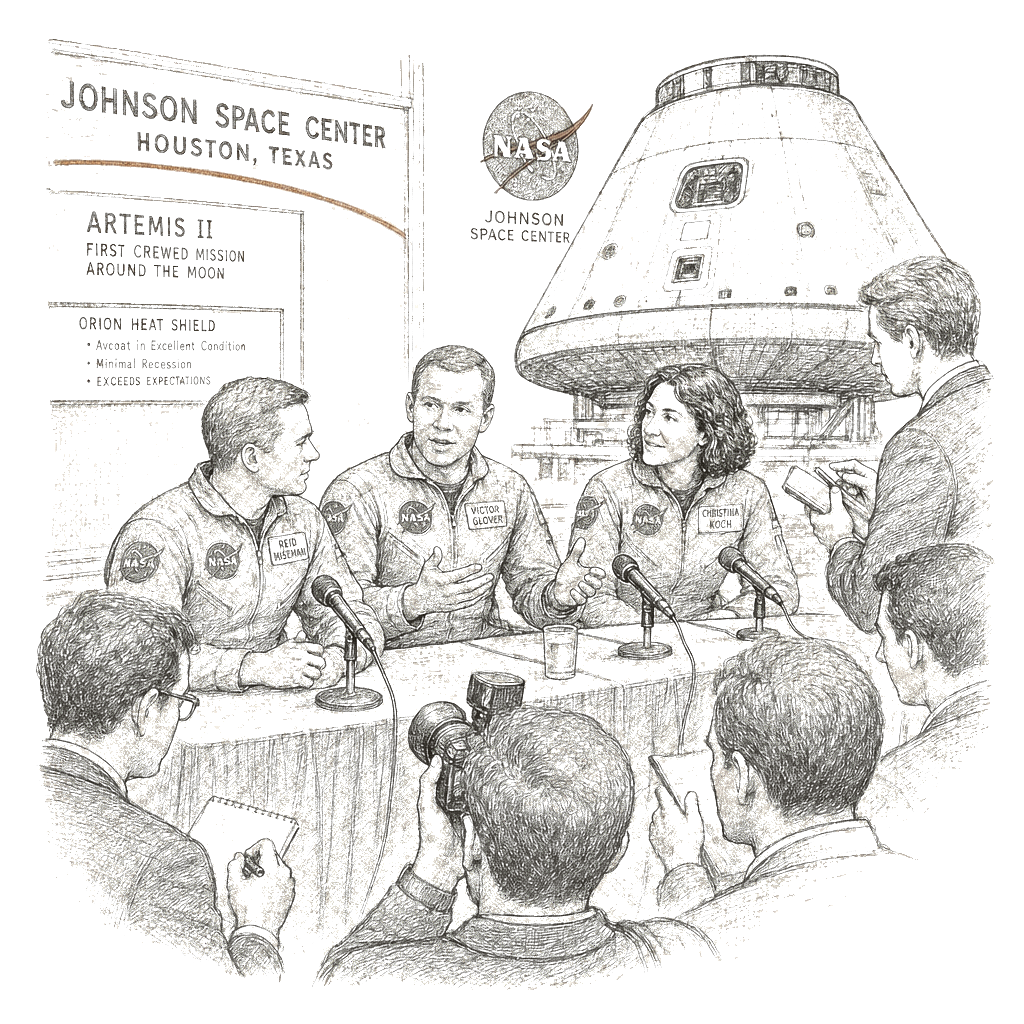
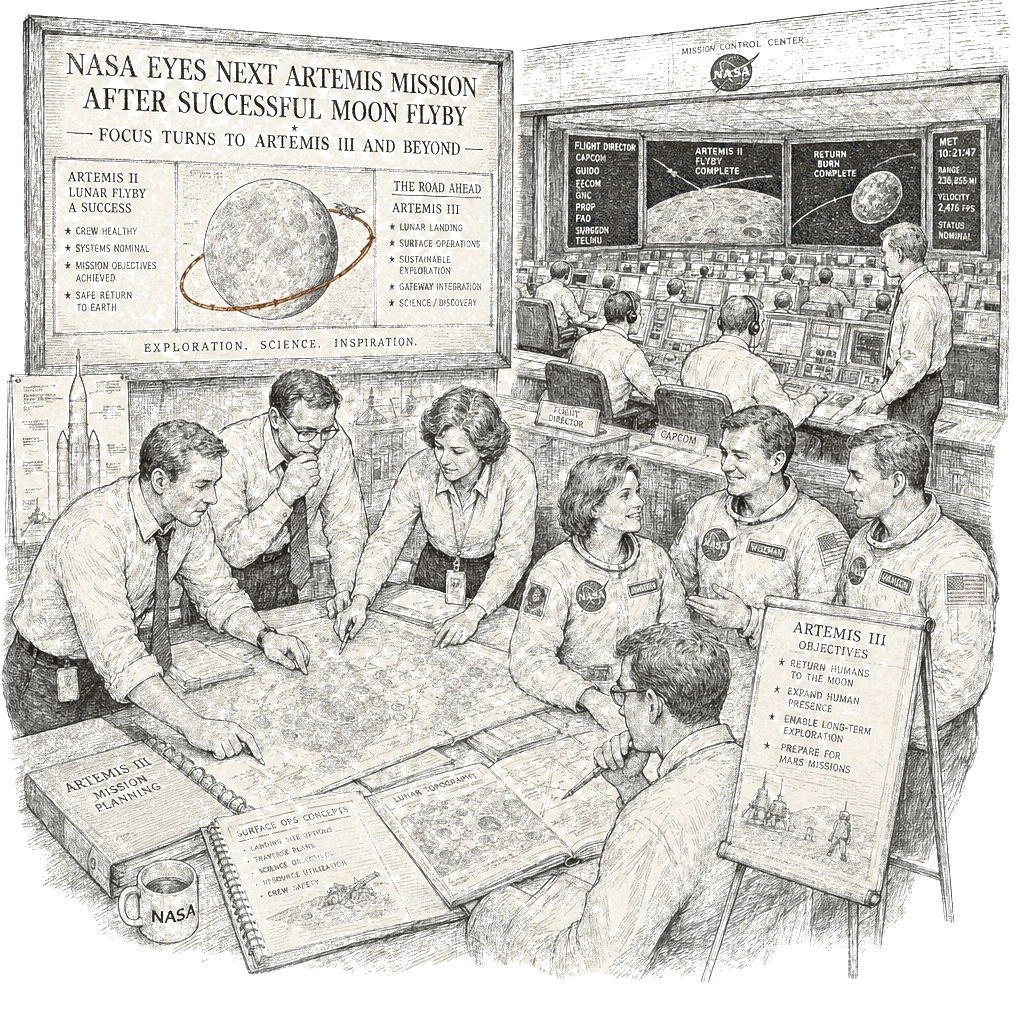
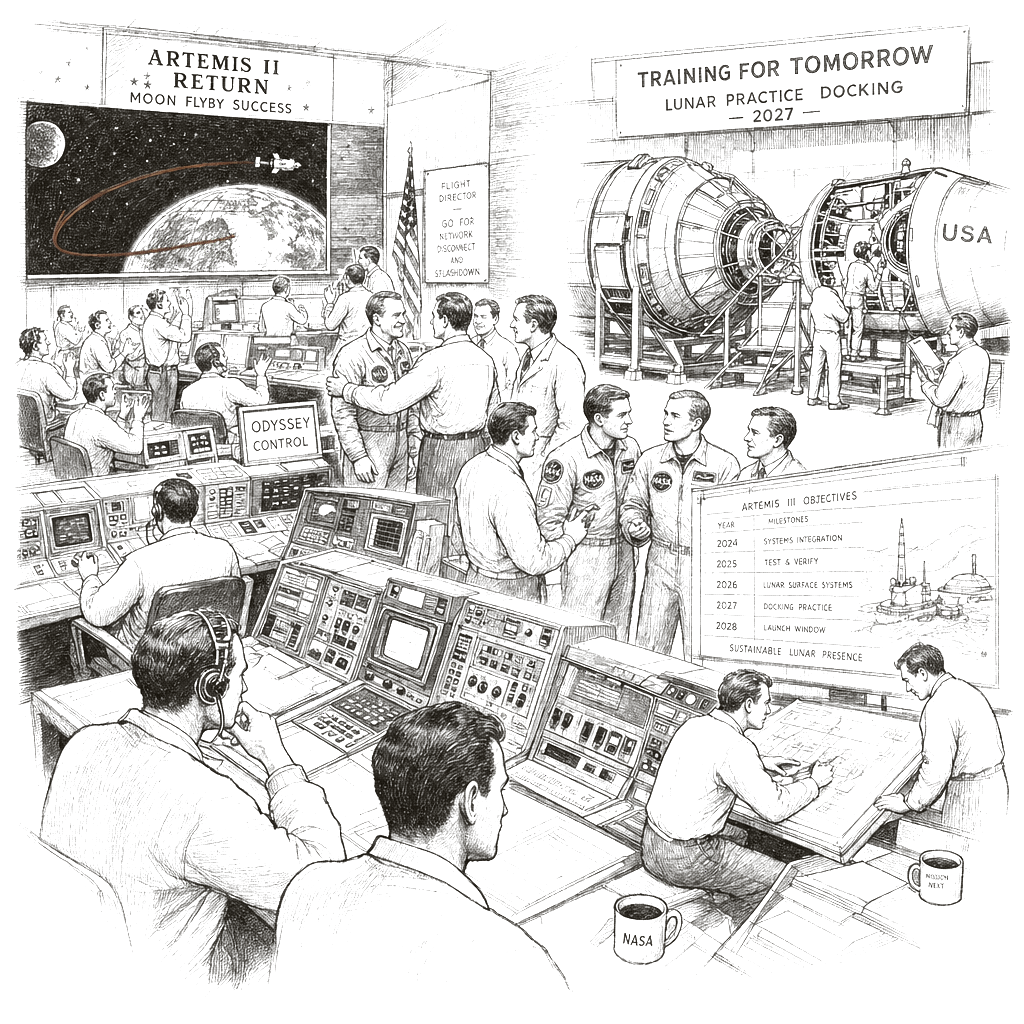
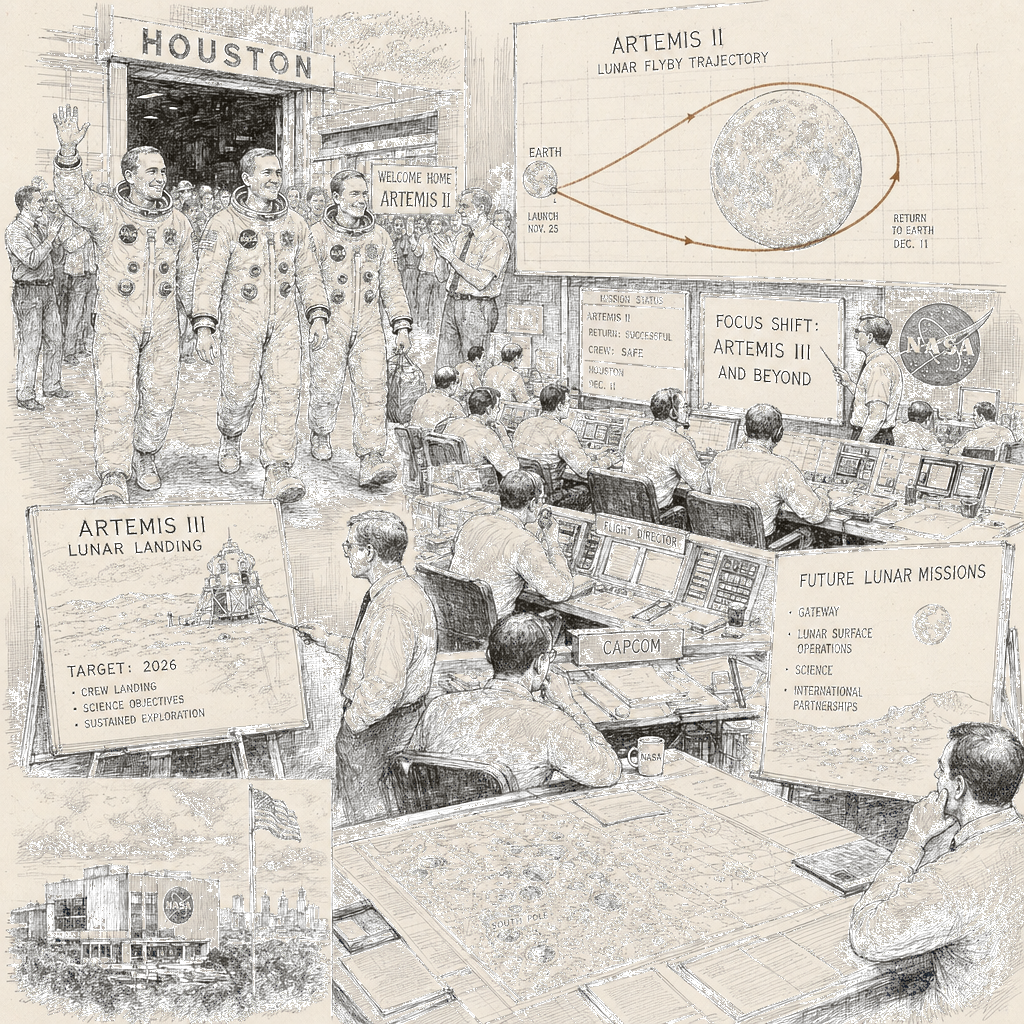
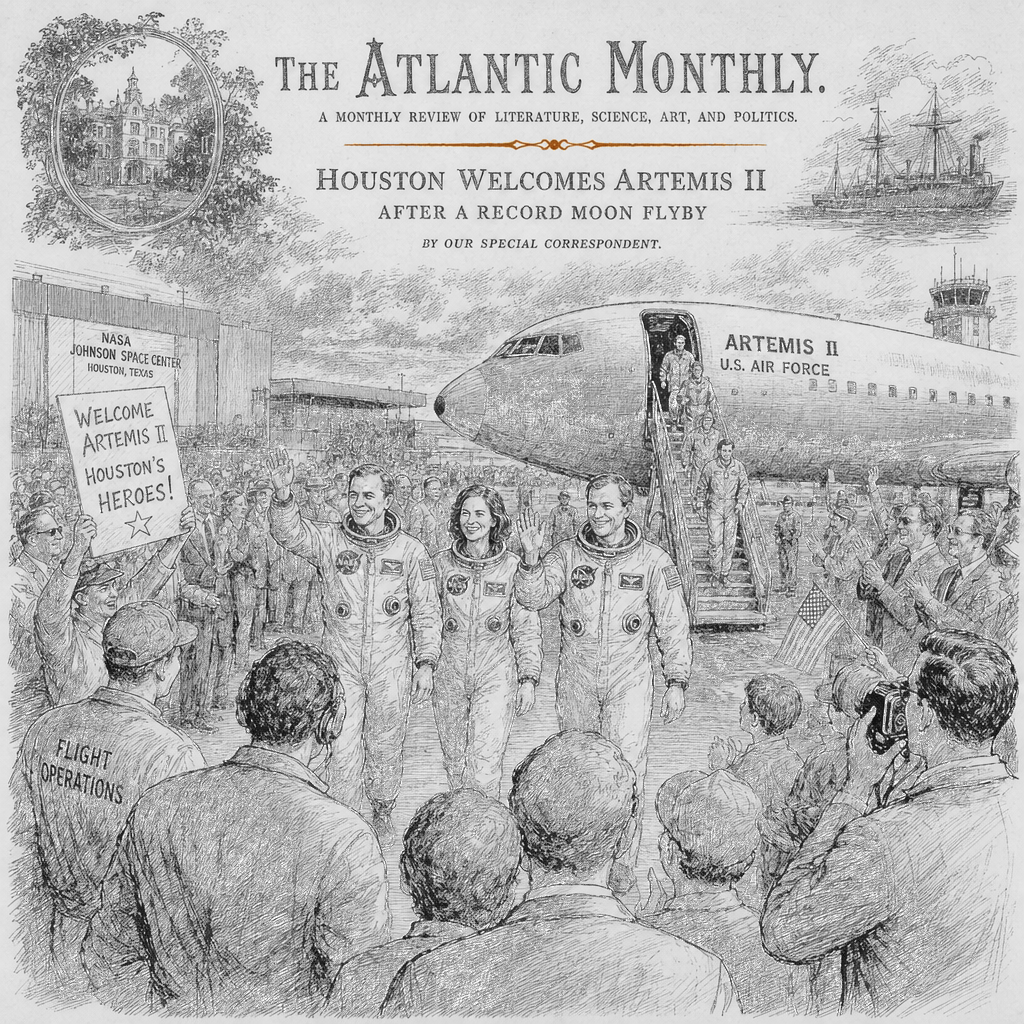
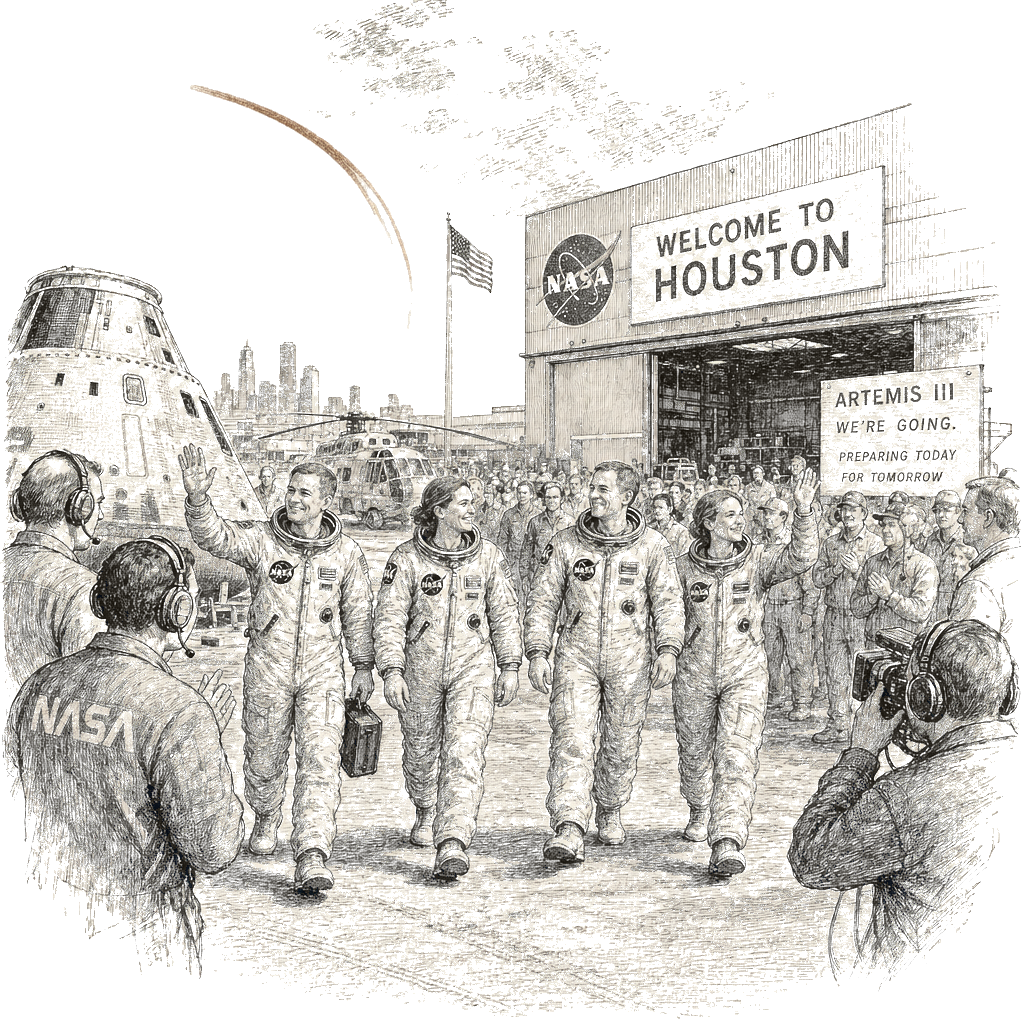
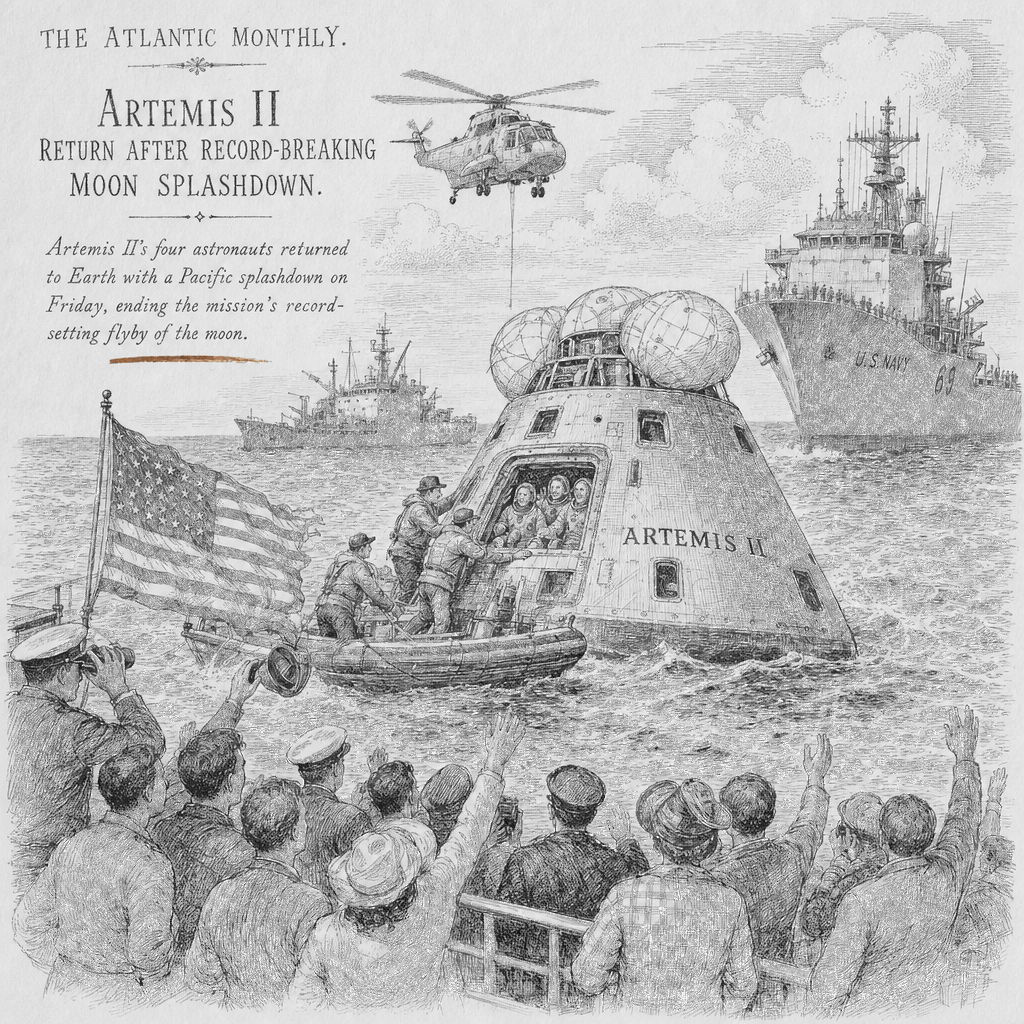
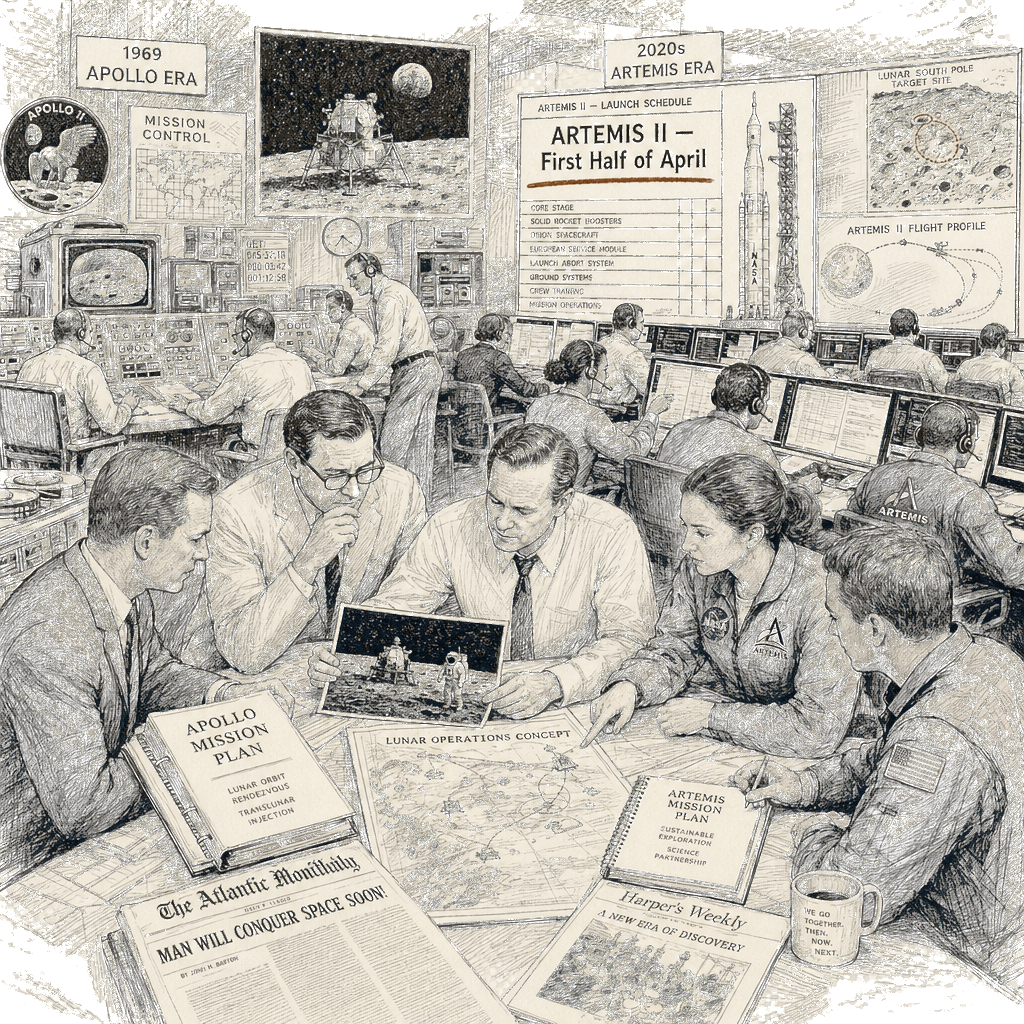
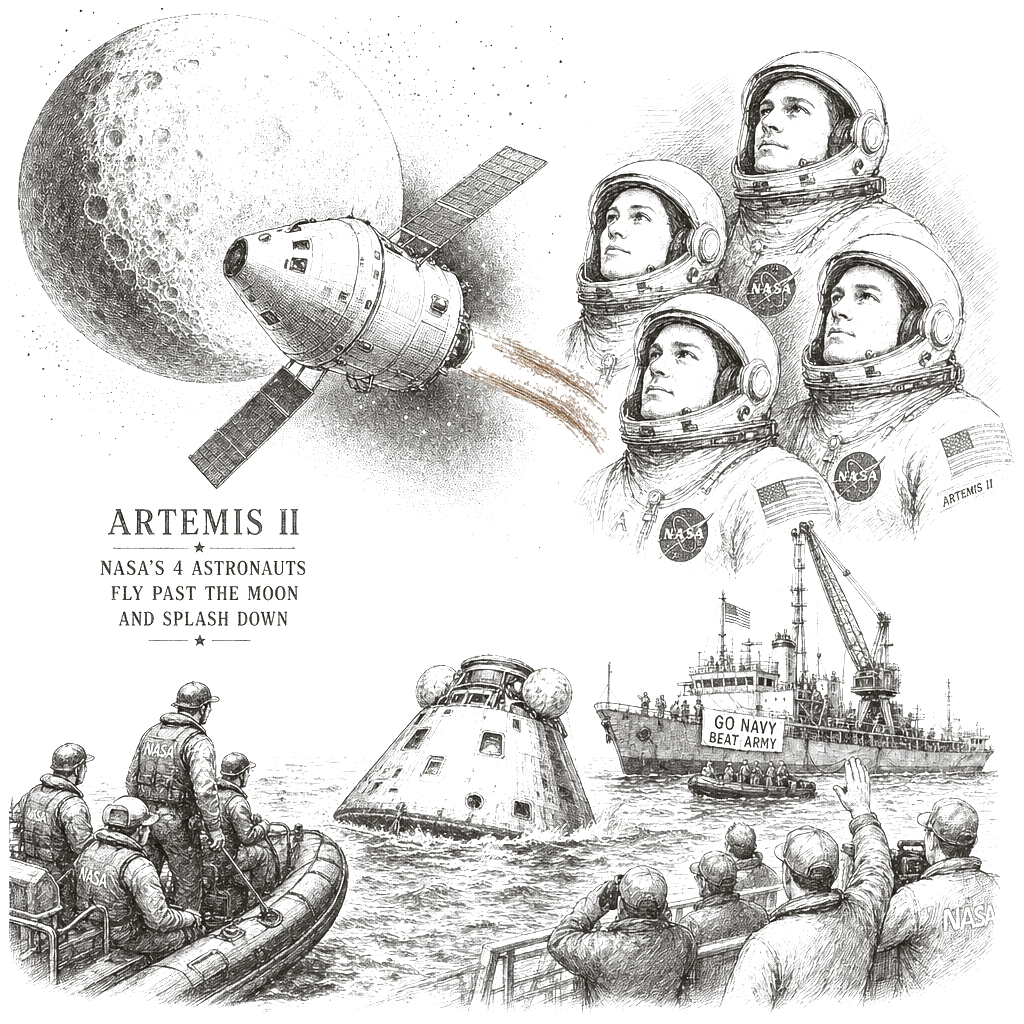
NASA said Friday it is revamping its Artemis moon-exploration program by adding an extra practice flight and reshaping the mission lineup to reduce risk and shorten the gaps between launches. The changes come after Artemis II was pushed back and after a safety panel warned the agency to scale back its overly ambitious goals for a first lunar landing since 1972.
2026-01-22
Scientists can use earthquake monitoring networks to track falling space debris more accurately than radar, according to a new study published Thursday. The research by Johns Hopkins University's Benjamin Fernando and colleagues showed that seismic readings from sonic booms generated by a Chinese space module as it reentered Earth's atmosphere in 2024 placed the object's path nearly 20 miles farther south than orbital radar had predicted. The findings offer a faster way to locate debris and assess whether falling objects pose a risk to aircraft in flight.
2026-01-18
El nuevo cohete lunar de la NASA se trasladó el sábado a la plataforma de lanzamiento en el Centro Espacial Kennedy, en Florida, en preparación para el primer vuelo de astronautas hacia la Luna en más de medio siglo. El despegue podría ocurrir tan pronto como febrero, según los planes de la agencia, tras una prueba de abastecimiento de combustible en la plataforma a principios de febrero.
2026-01-18
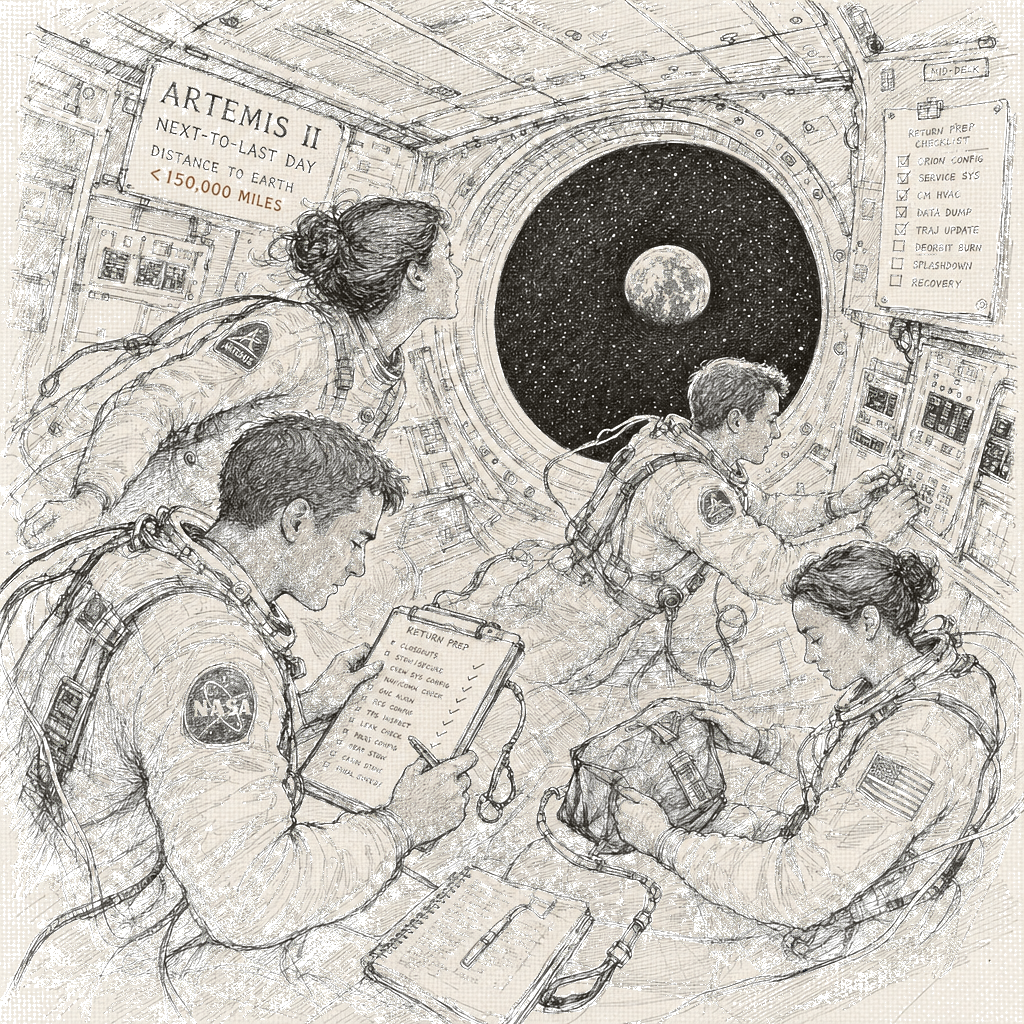
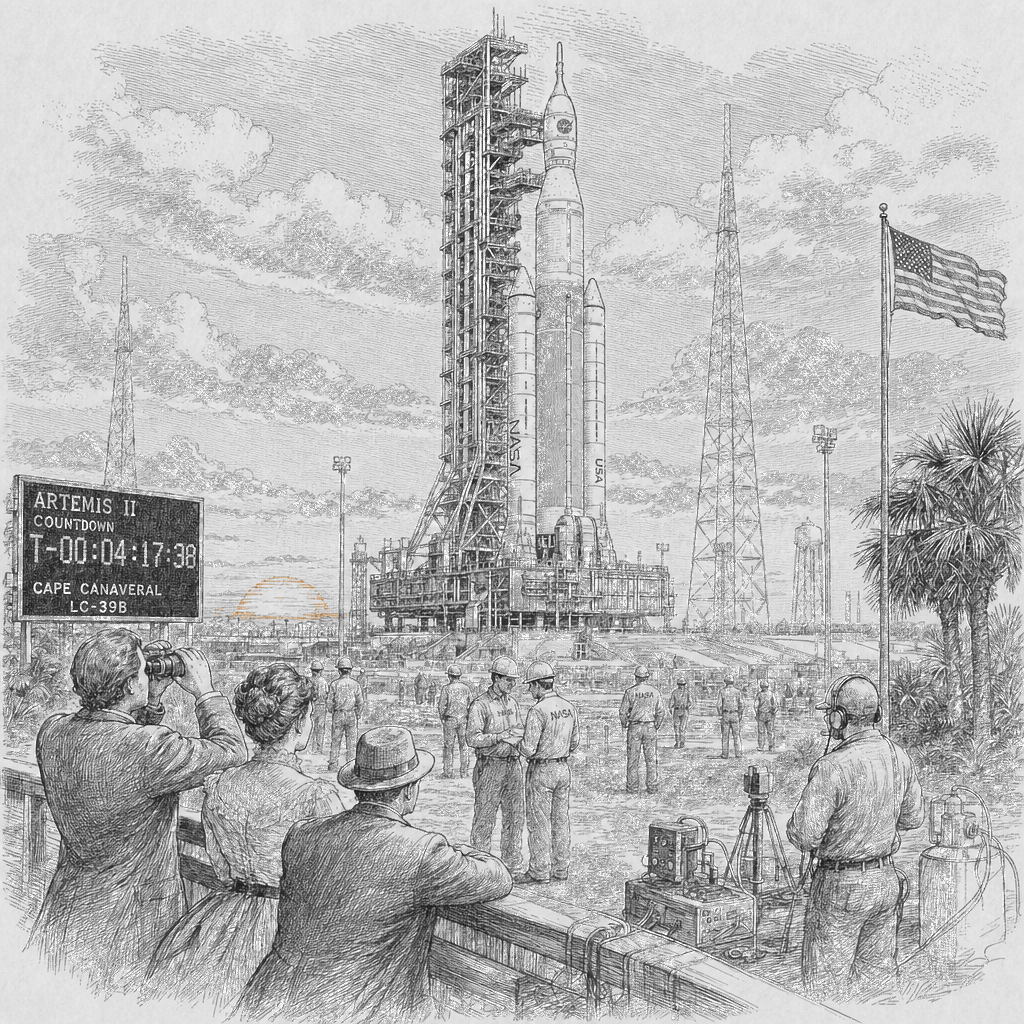
NASA moved its new Space Launch System rocket to the launch pad at Kennedy Space Center on Saturday as it prepares for astronauts’ first lunar fly-around in more than half a century. The agency said the trip could launch as early as February, but it plans to run a fueling test on the pad in early February before confirming a date.
2026-01-17
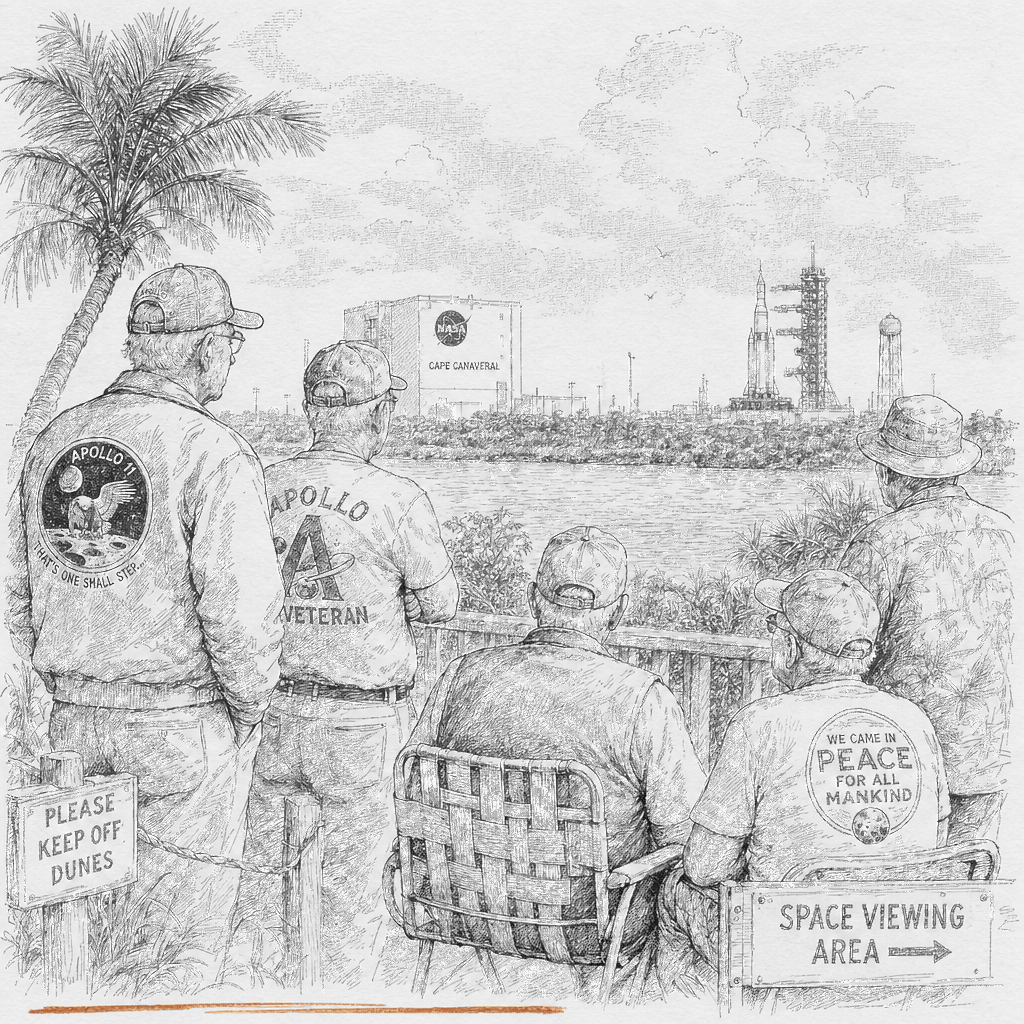
NASA's Space Launch System rocket rolled out to its launch pad at Kennedy Space Center on Saturday, completing a 4-mile journey from the Vehicle Assembly Building in preparation for the first crewed lunar flight in more than half a century. A launch could come as early as February, pending a fueling test NASA must complete before announcing an official date. Thousands of space center workers and their families gathered before dawn to watch the rollout, joined by NASA Administrator Jared Isaacman and all four mission astronauts.
2026-01-15
An ailing astronaut returned to Earth with three other crew members Thursday, ending their space station mission more than a month early in NASA's first medical evacuation. SpaceX guided the capsule to a splashdown in the Pacific near San Diego less than 11 hours after the astronauts exited the International Space Station. The crew was taken to a hospital for medical checks and standard recovery procedures.
2026-01-14
Four astronauts departed the International Space Station aboard a SpaceX capsule on Wednesday in NASA's first medical evacuation in 65 years of human spaceflight, after an unidentified crew member developed a health problem requiring ground-based diagnosis. The returning crew — American astronauts Zena Cardman and Mike Fincke, Japan's Kimiya Yui, and Russia's Oleg Platonov — aimed for a Thursday morning splashdown in the Pacific Ocean near San Diego. NASA officials declined to identify the affected astronaut or disclose the nature of the health concern, citing medical privacy.
2026-01-08
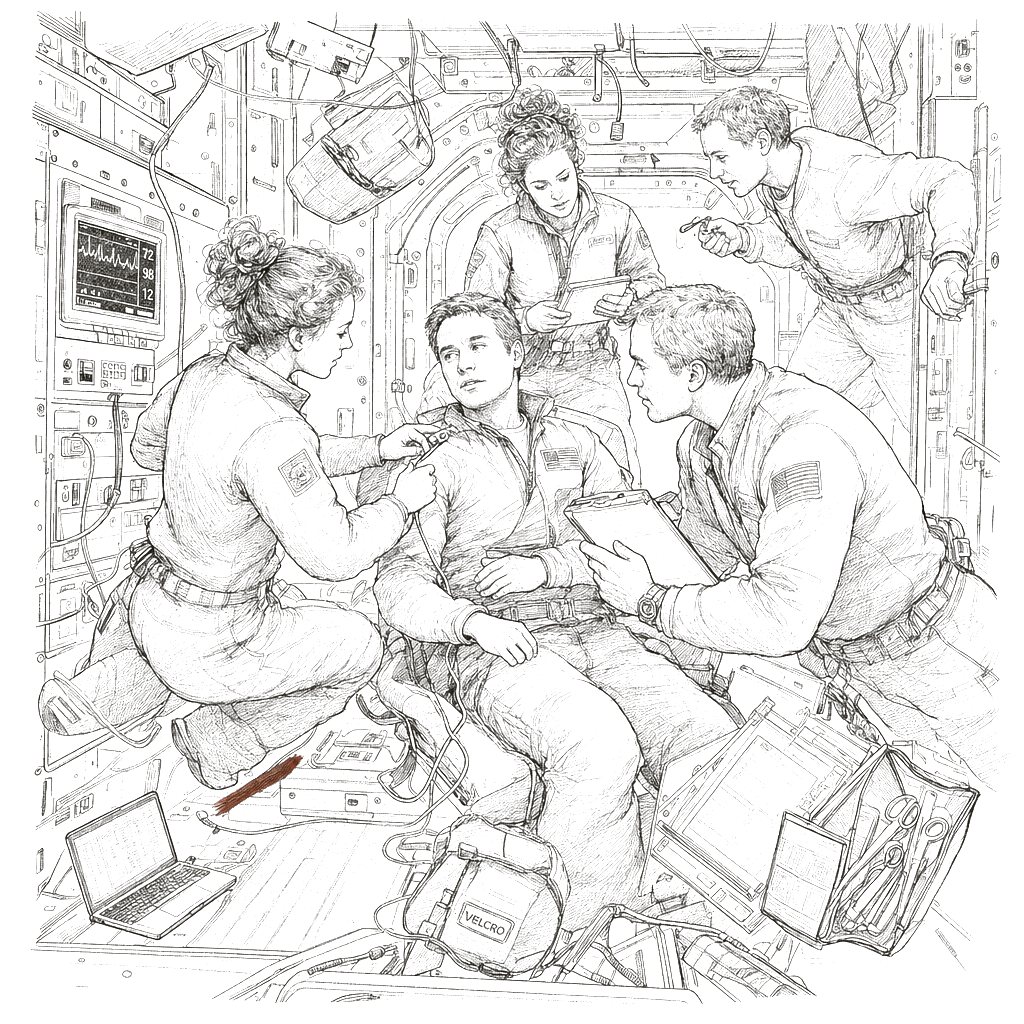
NASA announced Thursday it is cutting a mission aboard the International Space Station short after one of its four crew members experienced a medical issue, the agency said — marking what officials described as the first medical evacuation in the space station's history.
The affected astronaut is stable, and the agency's top medical officer said the situation does not constitute an onboard emergency. The four-person crew will return to Earth in the coming days, ahead of their originally planned schedule. NASA also canceled the year's first planned spacewalk as a result of the medical issue.
2026-01-05
The moon and sun will dominate 2026's skywatching lineup, with major lunar and solar eclipses and multiple supermoons, the Associated Press reported. NASA also plans a new crewed flyby past the moon, while private and international teams target additional robotic lunar missions.
2026-01-04
The moon and sun will headline next year’s skywatching lineup, from a Jan. 3 supermoon to a Feb. 17 ring-of-fire eclipse in Antarctica and a total solar eclipse Aug. 12 in the Arctic. NASA plans a new lunar flyby mission expected to send the first astronauts to study large areas of the moon’s far side not seen by Apollo, while robotic missions and landers are also targeted for 2026.
2026-01-03
The moon and the sun will headline 2026’s skywatching calendar, including a “Blue Moon” scheduled for May and a supermoon on Jan. 3, along with a ring-of-fire solar eclipse in February and a total solar eclipse on Aug. 12. NASA plans major attention on the moon as Artemis missions expand, while China and private companies also target new robotic landings and far-side observations.
2026-01-01
The moon and sun take center stage in 2026, from a lunar far-side mission and new robotic landers to multiple solar and lunar eclipses. NASA’s Reid Wiseman is set to lead a flyby-and-return mission aimed at regions of the lunar far side Apollo astronauts missed, alongside plans for a “Blue Moon” lunar lander and other commercial and international efforts. Elsewhere in the year, skywatchers will also have ring-of-fire and total eclipses to watch, along with a parade of planets and several supermoons.
2025-12-29
Japan’s space agency said its new flagship H3 rocket failed to put a navigation satellite into a planned orbit during a Monday launch from Tanegashima. JAXA said a premature cutoff of the rocket’s second-stage engine burn prevented confirmation that the satellite separated as planned, and it is investigating the data to determine what happened.
2025-12-29
Michaela Benthaus, a paraplegic engineer from Germany, became the first wheelchair user to blast into space in a Blue Origin New Shepard flight from West Texas on Dec. 20, 2025, the company said. Benthaus left her wheelchair on the capsule deck before liftoff and later said the experience was “the coolest experience.”