Mental-Model Lens

Negotiation

Leverage, alternatives, and the structure of a deal.

Recent Analysis Articles

Saudi pipeline restart, Trump Iran remarks, Xi visit converge as Brent logs sixth decline

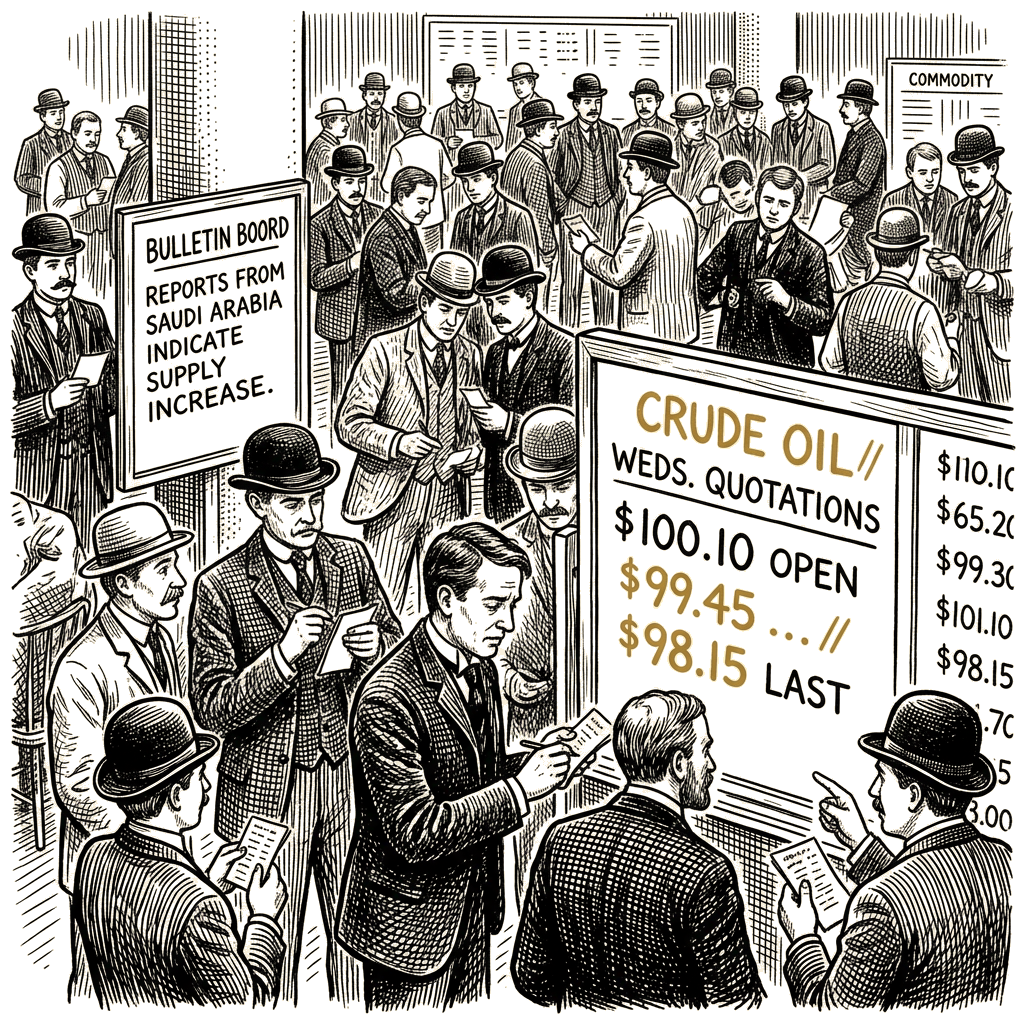
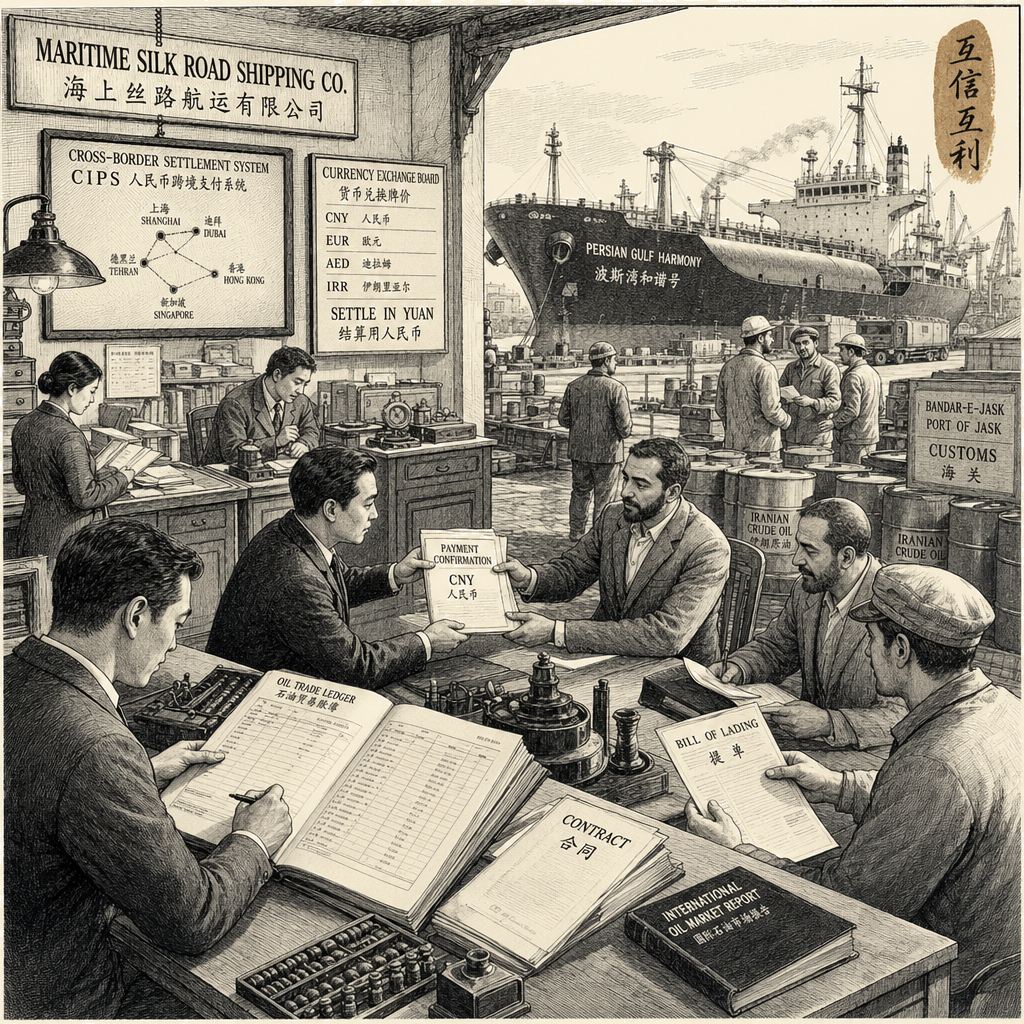
Illustration accompanying article: Oil prices fall for sixth session on Saudi
  • Brent crude's sixth consecutive session of decline to $98.32 per barrel on Wednesday priced three independent channels — Saudi Arabia's reported east-west pipeline restart, Trump's simultaneous "progress" claim and "annihilate" threat on Iran, and Xi Jinping's expected Washington visit with AI-cooperation speculation — as a coherent package rather than as isolated signals.
  • Saudi Arabia's resumed east-west pipeline operations and exports from Yanbu, which Reuters reported citing sources "may have already" restarted, added observable supply into a market already weighing the probability of an Iran deal, reinforcing downward pressure implied by both supply and diplomatic channels.
  • Joseph Farrell and Matthew Rabin, in their 1996 survey of the game-theoretic literature on cheap talk, characterize Trump's conditional threat to "annihilate" Iran absent a deal — issued alongside a claim of "progress" — as "cheap talk" lacking a binding commitment device, with Brent's sustained decline indicating traders priced the diplomatic track above the conflict scenario.
  • Asian equities separated into AI-linked gains outside China — South Korea's Kospi up nearly 0.7%, Taiwan up 0.75% — and a 0.5% decline in China's CSI 300, indicating investors treated Chinese equities as a distinct allocation from the broader AI-driven Asia trade in a separating equilibrium that holds only while US-China truce expectations remain intact.
  • The dollar climbed to a two-month high on interest-rate-hike expectations while sterling fell 0.2% to $1.3316 and the euro eased 0.2% to $1.1423, its weakest level since July, with the dollar-commodity co-movement on the date consistent with the rate channel dominating the commodity channel under one reading of the substrate.
2026-09-23 · 5 MIN READ

Walker's special-period framing positions Russian sabotage below NATO threshold

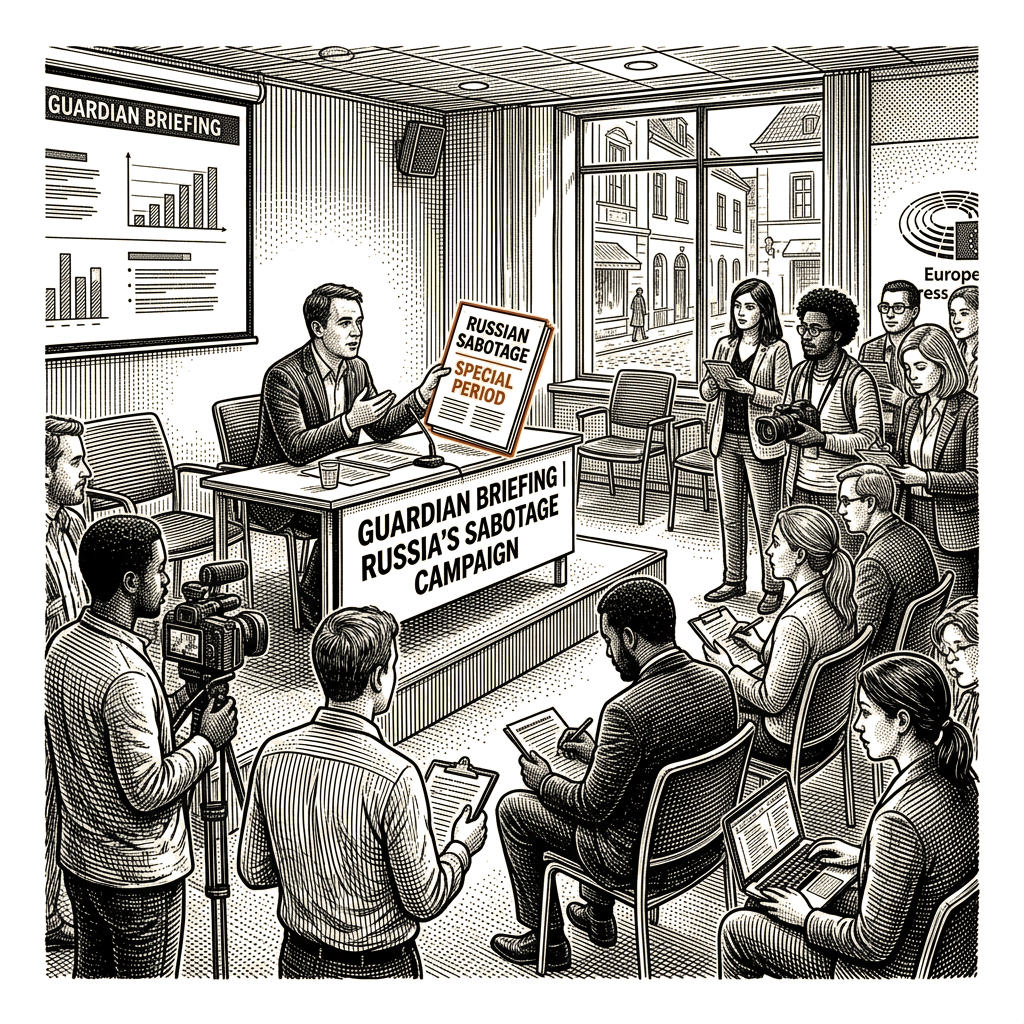
Illustration accompanying article: Walker likens Russian sabotage to Soviet 'special period' in Guardian briefing
  • Guardian special correspondent Shaun Walker placed Europe's documented Russian sabotage pattern within KGB "special period" doctrine, licensing a "liminal" war-status frame that bridges intelligence warnings and constrained policy response.
  • The briefing catalogued sabotage incidents across at least eight European jurisdictions — fires at defense facilities in Italy, Bulgaria, Estonia and Slovakia, an explosives-laden drone at Leipzig airport, an Ikea arson in Lithuania, coffins inscribed with "French soldiers in Ukraine" left under the Eiffel Tower, and the June jailing of two Russian-linked arsonists who targeted property connected to former prime minister Sir Keir Starmer.
  • Intelligence chiefs from the Czech Republic, Latvia and Sweden broke protocol by speaking on the record, a departure Walker characterized as suggesting the intelligence community's preference for public warning ahead of a possible Russian test of NATO resolve within "months, not years."
  • Walker's "careful path" posture depends on frame-imports from Baltic chronic-rather-than-acute preferences and reported US President Donald Trump dismissals of NATO concerns, balancing alarmism against complacency.
  • The briefing surfaces a sabotage-to-domestic-politics feedback loop in which Russian operations seed anxiety, European defense spending rises, populist-right parties including the AfD gain ground, and Russian-sympathetic leadership enters coalition calculations.
2026-09-22 · 8 MIN READ