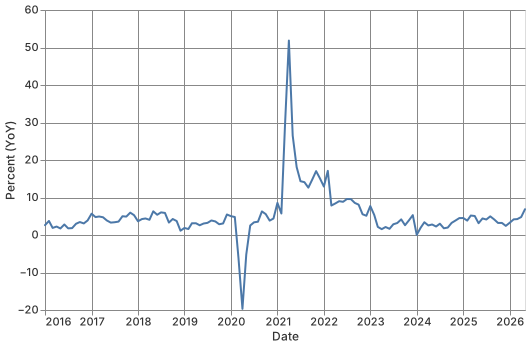
- U.S. retail and food-services sales rose 0.9% month-over-month to $763.7 billion in May, the Commerce Department reported, accelerating from a 0.4% gain in April and beating analysts’ expectations.
- Year-over-year retail sales grew 6.9% in May, according to FRED data, even as the Bureau of Labor Statistics reported that annual inflation hit a three-year high of 4.2%.
- Spending at furniture and home furnishing stores rose 1% in May after a 1.5% decline in April, and spending at motor vehicle and parts dealers increased 1.2% after a 0.9% drop the prior month.
- The University of Michigan consumer sentiment index stood at 49.8 in May, near historically low levels, reflecting a persistent gap between aggregate spending data and household mood.
U.S. retailers’ sales grew 0.9% to $763.7 billion in May, the Commerce Department said Wednesday, exceeding analysts’ expectations and accelerating from the 0.4% growth recorded in April. The May data marked a rebound from the prior month, when shoppers had pulled back as the Iran war drove gasoline prices higher.
Retail sales figures are recorded in nominal terms and reflect total dollars spent, meaning that higher gasoline prices can lift the headline number even if the volume of goods purchased remains flat. May data from the Labor Department showed gasoline prices rising at a faster pace than in April, the Commerce Department noted.
Outside of gasoline spending, there were signs of broader consumer demand. Spending at furniture and home furnishing stores grew 1% from the previous month after falling 1.5% in April. Spending at motor vehicle and parts dealers rose 1.2% after declining 0.9% in April.
Year-over-year retail sales rose 6.9% in May, according to FRED data, even as the Bureau of Labor Statistics reported that annual inflation hit a three-year high of 4.2% in May, driven by the Iran war pushing energy prices higher. Excluding volatile food and energy prices, core inflation rose 2.9% on the year.
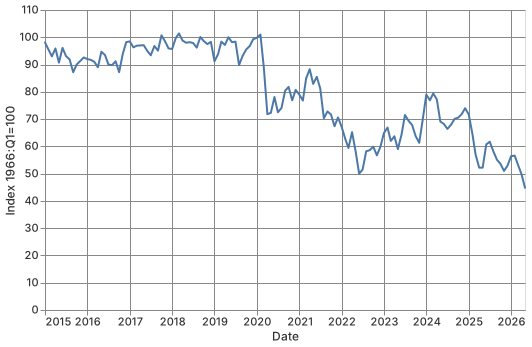
The University of Michigan consumer sentiment index stood at 49.8 in May, near historically low levels, reflecting a persistent gap between aggregate spending data and household mood. As MSI previously reported, lower-income households have been absorbing a higher effective inflation rate than the headline CPI figure suggests, as necessities such as gasoline and rent consume a larger share of their budgets.
As policymakers at the Federal Reserve weigh setting interest rates that balance the risks between maximum employment and price stability, some officials have cited robust consumer spending as a reason to remain cautious on inflationary pressures, the central bank said. Despite those inflation pressures weighing on consumer sentiment when the conflict in Iran began, spending in households has held up relatively well, and economists noted that shopping has particularly been helped by higher-income consumers.