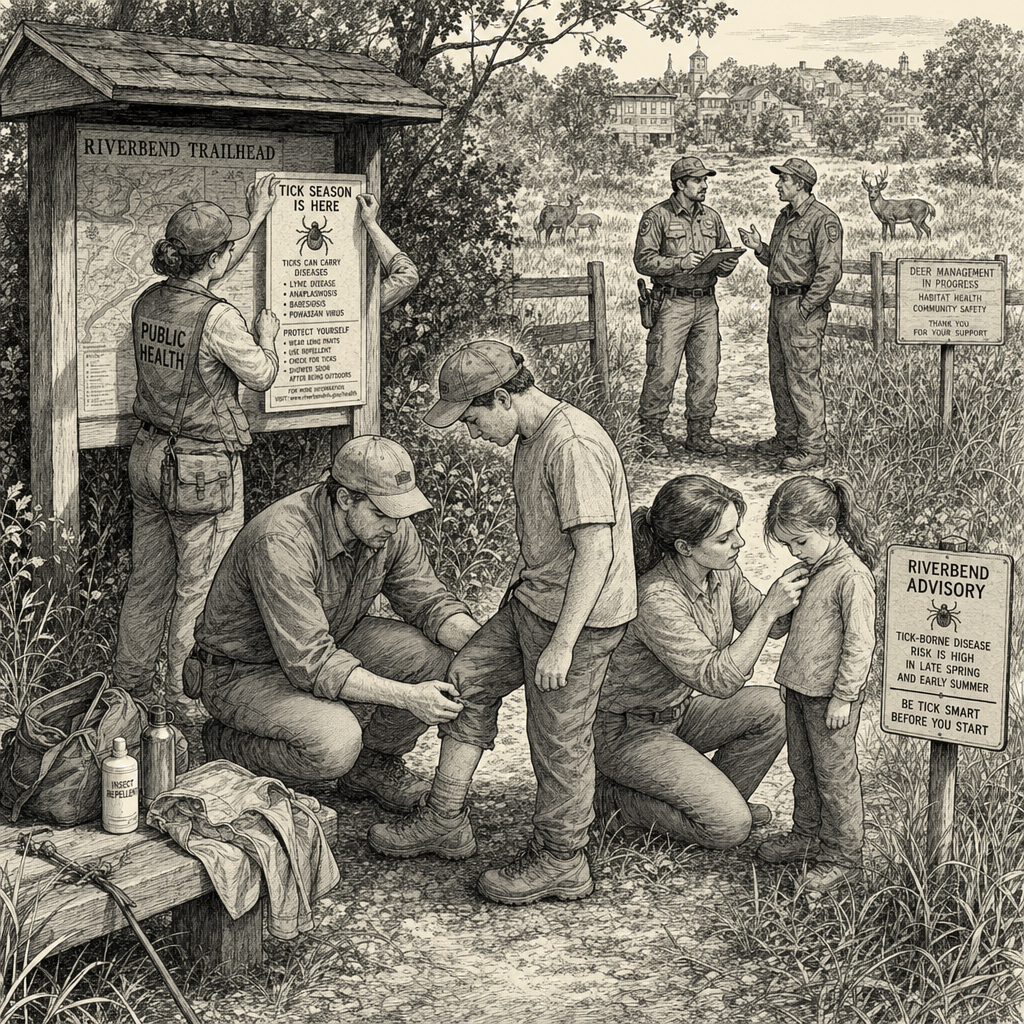
Ticks are responsible for transmitting Lyme disease, babesiosis, anaplasmosis, and other serious illnesses, yet the public-health toolkit for managing them remains far less developed than the arsenal used against mosquitoes, according to a report from NPR. While mosquito control benefits from decades of investment in larvicides, adulticides, and widespread spraying, tick control relies largely on personal precautions—repellents, tick checks, and yard treatments—that have not stopped the steady rise in tick-borne disease cases across the country.
In the Northeast, where Lyme disease is endemic and cases have climbed for years, officials and researchers are turning to a different strategy: managing the deer that serve as primary hosts for adult black-legged ticks. The report described deer as “party buses” for mating ticks, because the animals transport the parasites and provide blood meals that allow tick populations to thrive. By reducing deer densities in targeted areas, scientists hope to break the reproductive cycle of ticks and lower the risk of human exposure.
Communities in states such as Connecticut, New York, and New Jersey are experimenting with controlled hunting programs and other deer-reduction measures. Some towns have contracted with sharpshooters or expanded hunting seasons to bring deer numbers down. Researchers are also testing experimental approaches, including devices that apply tick-killing chemicals to deer when they visit feeding stations, and biological controls such as fungi that target ticks in the environment.
The need for new solutions is becoming more urgent as climate change lengthens the season when ticks are active. Warmer winters and earlier springs allow ticks to survive and feed for longer periods, expanding the geographic range of tick-borne diseases. The report noted that the tools for controlling ticks have not kept pace with the growing threat, leaving communities searching for effective, scalable interventions.
Officials cautioned that deer management alone is unlikely to eliminate tick populations but said it could be a valuable component of a broader strategy. Combining deer reduction with other methods—such as habitat management, targeted acaricides, and public education—may offer the best chance of reversing the upward trend in tick-borne illnesses. The report underscored that while progress is being made, the country remains years behind where it needs to be in managing a public-health problem that affects tens of thousands of Americans each year.