Consumer inflation expectations climb to multi-year highs
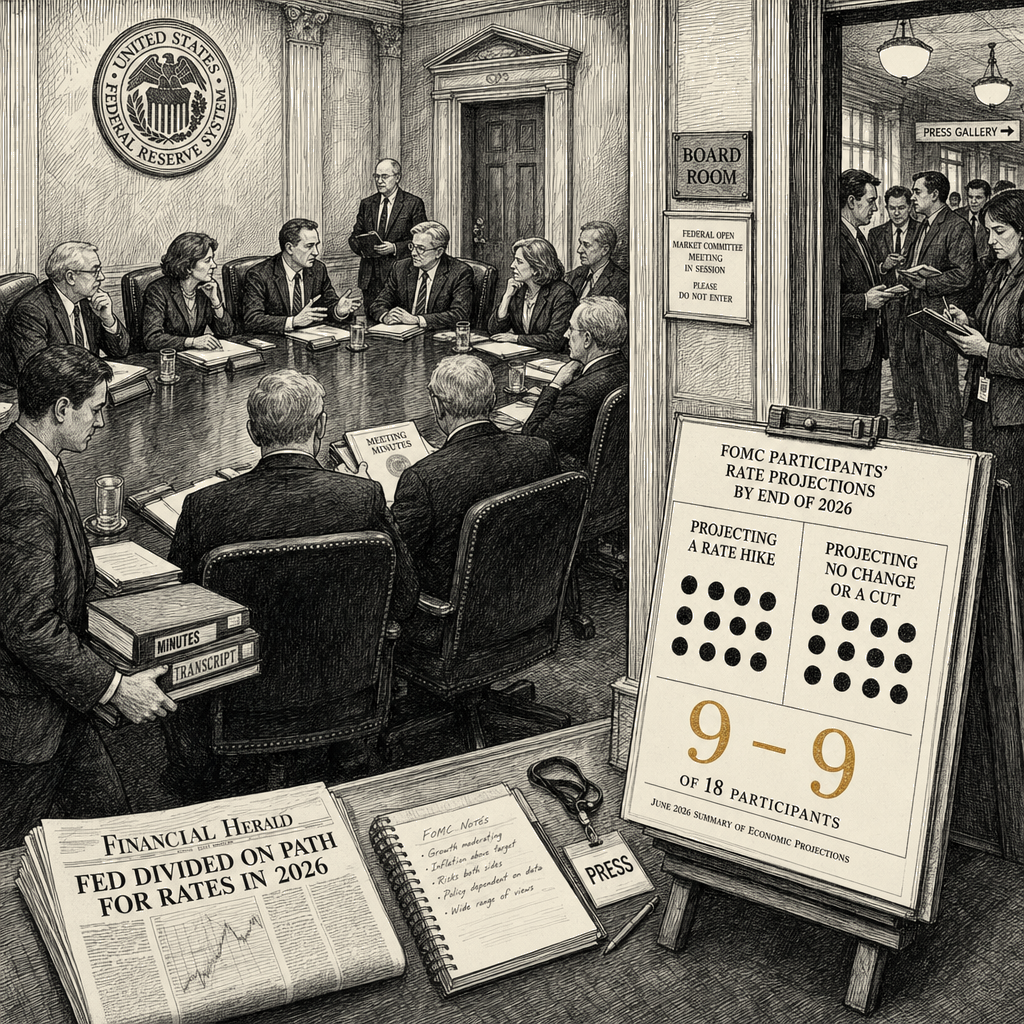
The rate projections that accompany each Federal Open Market Committee meeting revealed a committee evenly divided on the direction of borrowing costs. Of the 18 officials who submitted forecasts, nine expect the Fed’s benchmark rate to be higher than 3.6% by December, while the other nine expect it to be unchanged or lower, according to minutes released Wednesday.
The minutes’ text described both camps with the same qualifier — “many” — indicating that neither side held a clear majority within the 19-member rate-setting committee.
A number of officials pointed to the artificial-intelligence buildout as a persistent source of upward price pressure that could keep inflation elevated. They said the large investments required for AI infrastructure would sustain higher prices for semiconductors, computer equipment, and electricity. Apple announced last month it would raise prices on laptops and iPads because of more expensive memory chips.
“Many participants noted that ongoing strong demand for AI infrastructure would likely sustain upward pressure on prices for technology products and electricity,” the minutes stated.
A smaller group — “a few” officials — said there was “a case for raising” the Fed’s rate at the June meeting, according to the minutes. They agreed to hold rates steady, and the decision to keep the benchmark rate at 3.6% was unanimous.
The meeting was the first presided over by Chair Kevin Warsh, appointed by President Donald Trump this year to succeed Jerome Powell, whose term ended in May. Warsh declined to submit a rate projection of his own, a stance reflecting his view that issuing a forecast can lock policymakers into a specific approach that becomes harder to change if the economy shifts course. At a news conference June 17, Warsh said the Fed would return inflation to its 2% target, a goal the central bank has missed for more than five years. Powell remains on the committee as a Fed governor, a term that runs until January 2028.
Inflation reached a three-year high of 4.2% in May, driven partly by higher energy costs after the U.S. and Israel struck Iran in late February. With that conflict easing, gas prices have fallen, and policymakers said they expect inflation to moderate as fuel costs decline and the effect of tariffs fades. June inflation data is due next week.
The Fed is watching whether consumers themselves are beginning to expect higher inflation to persist. The Federal Reserve Bank of New York reported Tuesday that its survey of one-year-ahead inflation expectations rose to 3.7%, the highest reading in nearly three years. Three-year expectations hit 3.3%, a four-year high. Most Fed officials, including Warsh, say they track expectations closely, though many place greater weight on financial-market-based measures, which have been lower and more stable than the consumer survey readings.