PepsiCo adds protein, fiber to snacks amid GLP-1 adoption
PepsiCo CEO Ramon Laguarta said the company is navigating a consumer landscape reshaped by high gas prices and the growing adoption of GLP-1 weight-loss drugs, betting on smaller portions, functional ingredients, and lower prices to win back shoppers.
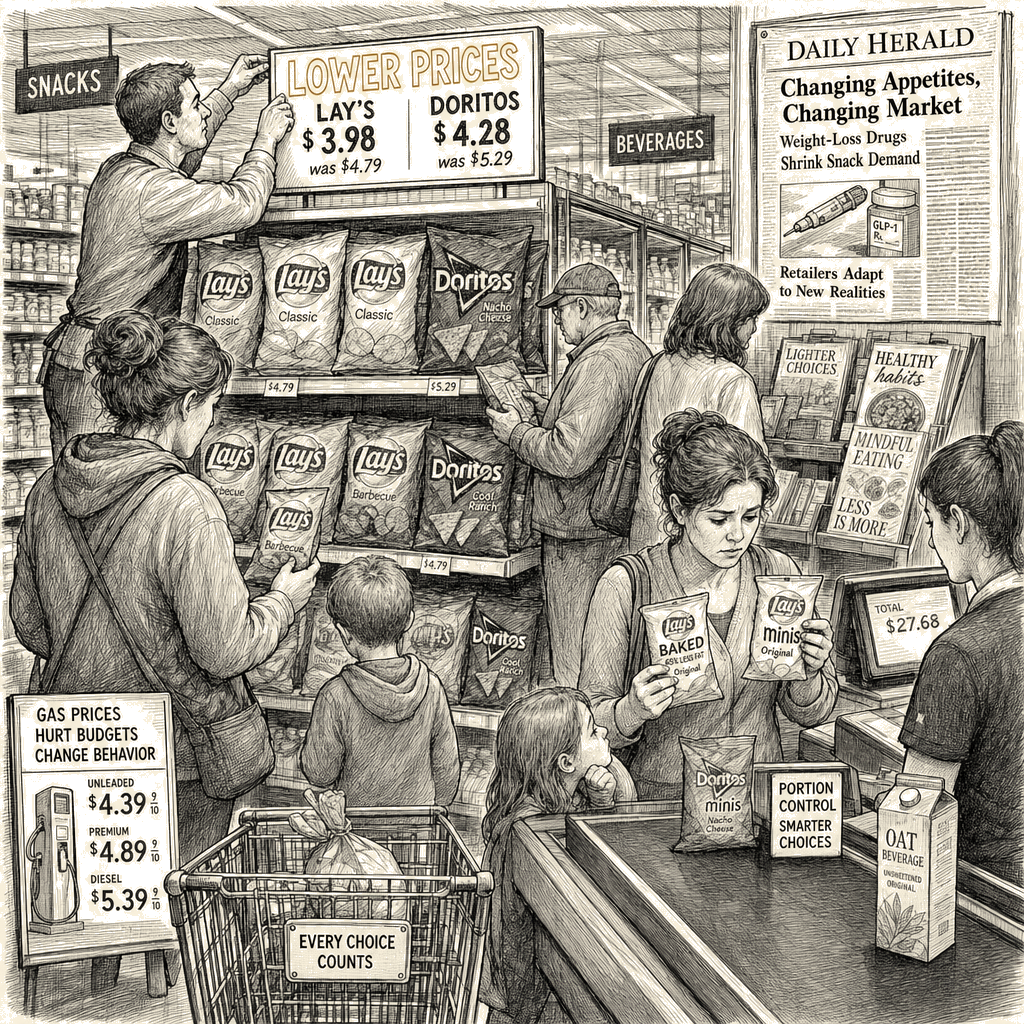
The snack and beverage giant lowered prices on Doritos and Lay’s earlier this year, a move that has driven a rebound in sales volumes, Laguarta said in an interview with The Wall Street Journal. Volume grew 1% in the first half of the year, a “major achievement” compared with the previous two years of sluggish consumption, he said. However, the lower prices have also compressed profit margins.
Gas prices have emerged as a new headwind, Laguarta said. “Clearly there was a new data point with the price of gasoline. That has put additional pressure on the budgets of the lower, middle income families,” he said. “So affordability is even more relevant today than it was earlier in the year, when we decided to make this decision to lower prices.”
At the same time, the spread of GLP-1 medications such as Wegovy is changing how Americans eat. “There’s more households that are adopting GLP-1s in their lives and that creates different habits for consumers,” Laguarta said. “More hydration, more fiber in their diets, more protein and also the fact that they want to stay in their little pleasures, and with smaller portions.”
Laguarta said consumers are “changing their expectations on every calorie they put in their body,” and PepsiCo is responding by adding protein to its snacks and beverages, incorporating fiber, and developing functional hydration and caffeine products. The company’s 100-calorie and 120-calorie multipacks have been “great success stories,” he said.
The prebiotic trend is “a very clear one in beverages,” Laguarta said, and PepsiCo is innovating with its Pure Leaf tea brand to target mental focus. “You have energy or fuel as big ones, functional hydration,” he said.
The company is also testing automated trucks to address a projected shortage of drivers, particularly for early-morning deliveries. “At this point these are tests, not really scaled across the company,” Laguarta said. “Some of our people deliver goods at 2 a.m., 3 a.m. Those are jobs that some people want to do, but if you think about this five to 10 years from now, probably less people will want to do them.”
PepsiCo is sponsoring the World Cup with Lay’s and other brands, betting on the tournament to create “social moments, the passion, the emotions” that drive snack consumption.