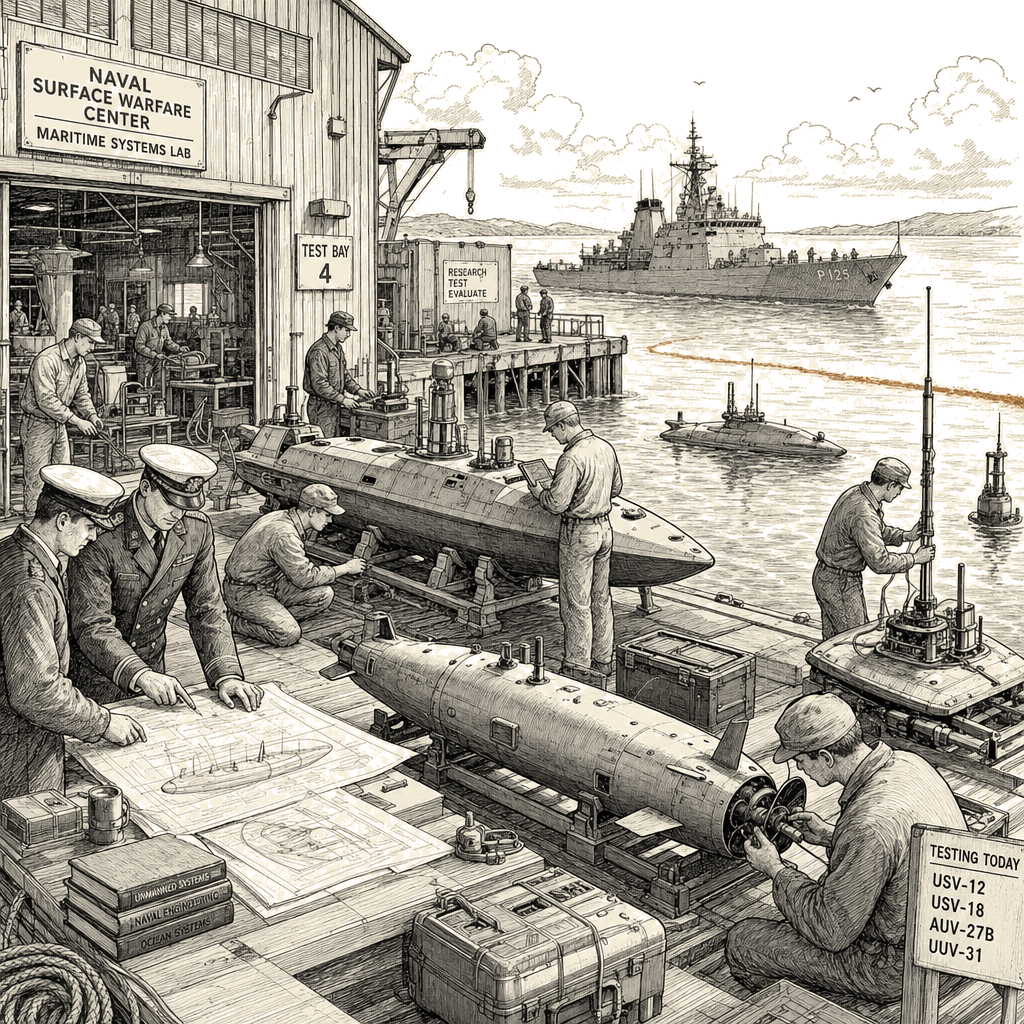
The U.S. Navy used an unmanned surface vessel earlier this month to rescue two helicopter crew members shot down by Iran, Navy officials said, highlighting the expanding role of sea drones in military operations.
The rescue operations are “just one of the tasks” for which the Navy is preparing to use unmanned surface vessels, officials said, as the service accelerates a push to field operational sea drones capable of a wide range of missions.
In a video documenting the development effort, American and British sailors were shown testing one type of sea drone during NATO’s Baltic Operations military exercise. The alliance is racing to catch up to the capabilities demonstrated by Ukraine and Russia, which have employed uncrewed vessels extensively in the Black Sea.
Ukraine’s use of sea drones against Russian warships has given urgent impetus to the allied effort, military analysts say. The conflict has demonstrated that relatively inexpensive unmanned vessels can threaten much larger conventional warships, reshaping naval doctrine.
The June rescue marked the first publicly known instance of an unmanned Navy vessel recovering personnel from the water. The helicopter crew members were rescued after their aircraft was shot down, according to Navy officials.
The sea drones under development range from surface vessels to underwater drones capable of long-endurance missions. The U.S. Navy and its allies are working to integrate these systems into existing fleets, with an emphasis on intelligence, surveillance, and reconnaissance, as well as strike and logistics missions.
The Baltic Operations exercise provided a platform for U.S. and allied forces to test and refine sea drone tactics in a realistic environment. The drills focused on operating unmanned vessels alongside manned ships and coordinating responses to maritime threats.
The push to develop sea drones comes amid broader efforts by the U.S. military to expand its use of unmanned systems across all domains. The Air Force has been developing collaborative combat aircraft drones, while the Navy has invested in underwater drones such as the Orca and the experimental Manta Ray concept.
Navy leaders have said the service is preparing to operate a mix of crewed and uncrewed vessels in future conflicts. Sea drones offer the ability to conduct missions in contested waters without putting sailors at risk, and can extend the reach of a naval task force.