Analyst says toll dispute drives latest escalation
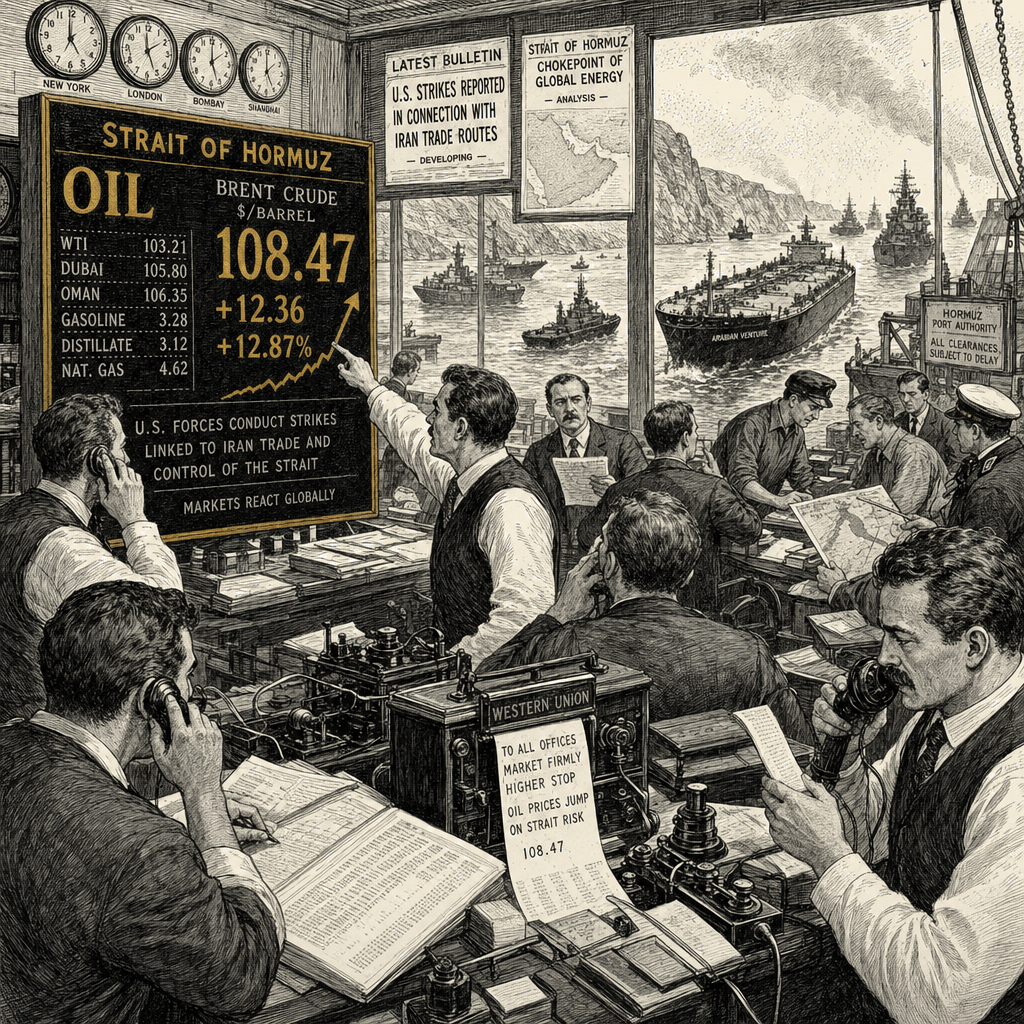
Oil prices climbed sharply after the U.S. and Iran exchanged airstrikes in an escalation that Jefferies analyst Mohit Kumar said appears to be driven by a dispute over control of the Strait of Hormuz and Iran’s desire to impose tolls on shipping.
The United States reportedly struck 90 targets in Iran, and Iran retaliated with a strike on U.S. air bases, according to Jefferies analyst Mohit Kumar, as cited by The Guardian. President Trump later stated that Iran had asked for a continuation of talks, though Kumar said “it is not clear whether the request actually originated from the Iran side.”
The fighting drove U.S. crude near $74 a barrel and Brent crude near $79, according to the analyst.
Kumar described the renewed clashes as showing “the fragile nature of the truce” between the two countries. He said the latest escalation is Iran’s attempt to control the Strait of Hormuz by attacking ships that try to pass through the Oman side, rather than Iran’s designated route on its own side. “Any tolls or fee for passage through the Strait would be unacceptable to the West,” Kumar said.
The analyst said he believes neither the U.S. nor Iran wants a return to full-scale war, characterizing the latest fighting as being about “who controls the strait.” His base case is that “cooler heads will prevail and both will go back to the negotiating table.” However, he added, “the Middle East situation is more unstable today than it was before the war.”
Near term, Kumar expects some version of a deal, “even if it’s a fudge, that would enable oil to flow.” Medium term, he said, tensions may flare up again.