Confirmation follows scrutiny of DOJ policies and Blanche’s ties to Trump
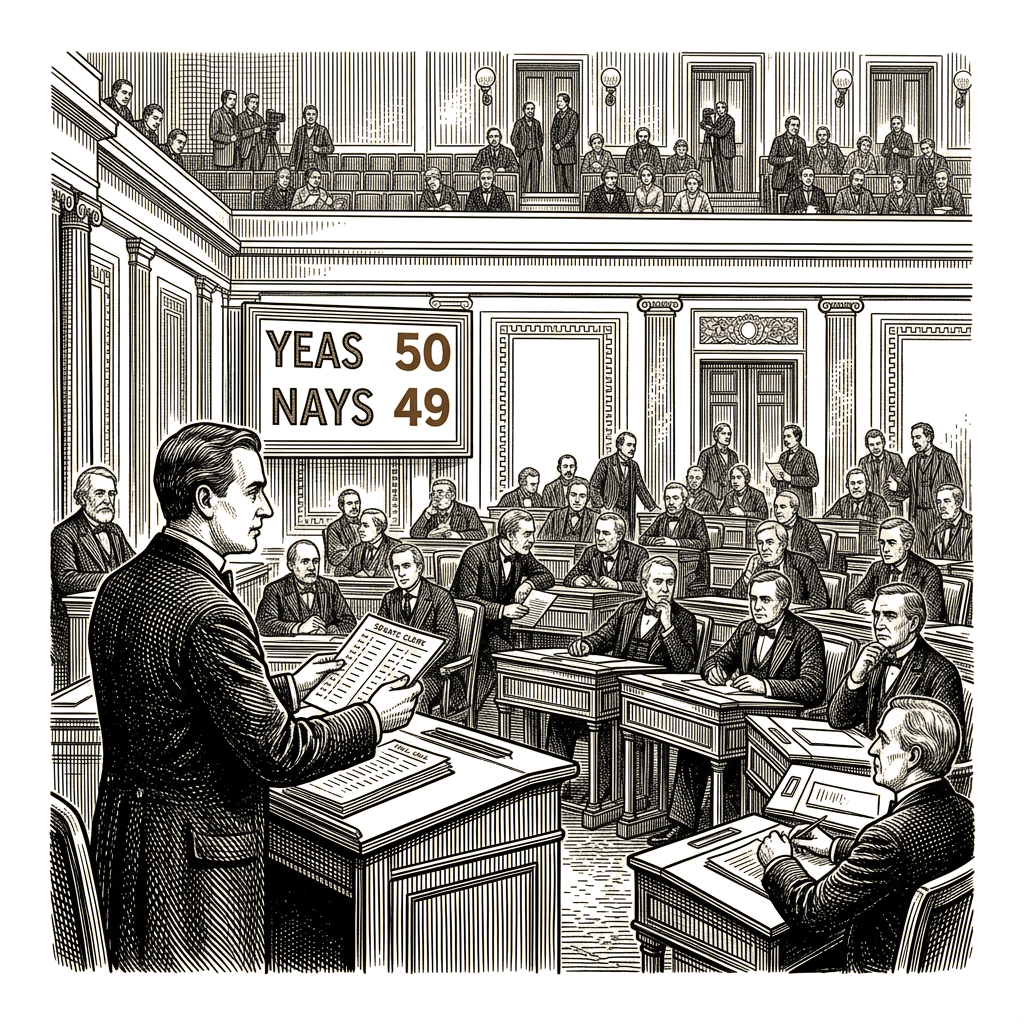
The Republican-led Senate vote made Blanche the second confirmed attorney general since Trump returned to the White House last year. All Democrats voted against him, as did Republican Sens. Susan Collins and Lisa Murkowski, according to NPR.
The vote followed concerns from lawmakers in both parties about placing Trump’s former personal lawyer at the head of the Justice Department. Blanche had been serving in an acting capacity after Trump pushed out Pam Bondi.
The confirmation fight included disagreements over the department’s $1.8 billion Anti-Weaponization Fund. The fund was created through a settlement between Trump and the IRS over the president’s leaked tax returns and was intended to compensate people who alleged that the federal government had been weaponized against them.
Blanche initially promised verbally that the fund would not move forward after it faced legal challenges. Republican Sens. John Cornyn of Texas and Thom Tillis of North Carolina sought written assurances that the fund was dead and held up the Senate Judiciary Committee’s vote on the nomination.
Blanche provided a written statement on Aug. 2 saying the order establishing the fund “is rescinded and shall have no force or effect.”
Cornyn said the Justice Department needed a permanent head. He said Trump needed someone with “a strong legal mind” who was close enough to provide confidential legal advice and tell him hard truths.
Cassidy, who had raised concerns about Blanche’s judgment in exempting Trump from IRS audits, also questioned Justice Department lawsuits against Trump’s perceived political enemies. Cassidy said his decision to support Blanche was not a referendum on the president.
“Mr. Blanche is not perfect, and he will tell you this,” Cassidy said Friday. “But the choice is not between perfection and Mr. Blanche. It is between Mr. Blanche and another acting attorney general who may not run the department effectively under President Trump and who indeed may not be as good as Mr. Blanche.”
A second written statement from the Justice Department on Aug. 2 addressed tax-audit protections included in the Trump-IRS settlement. The department said the protections applied retroactively and were limited to Trump, two of his sons and the Trump Organization, rather than a potentially broader group of “affiliated individuals” and companies.
Legal experts and Democrats questioned whether the statements would stand up in court because all parties to the settlement, including Trump, had not signed them.
Brandon DeBot, policy director at the Tax Law Center at NYU Law, told NPR’s Ryan Lucas that the assurances “are not worth the paper they’re written on.” DeBot said the statements did not withdraw attempts to give Trump and his affiliates unauthorized immunity from tax audits or prevent Trump from trying to bring back the fund.
Trump said earlier in the week that the fund would have been “very fair” and could have provided “some solace” to Trump supporters prosecuted for the Jan. 6, 2021, riot at the U.S. Capitol. “I view that fund as a positive, and a lot of Republicans do too,” Trump told reporters.
Blanche’s leadership of the department also drew criticism from Justice Department veterans, legal experts and members of Congress. Democratic Sen. Alex Padilla of California said Blanche “claims he was Donald Trump’s personal attorney but is continuing to act as if he’s still Donald Trump’s personal attorney.”
Trump hired Blanche in 2023 to defend him against criminal charges involving hush money payments, mishandling classified documents and attempts to overturn the results of the 2020 election. After Trump returned to the White House last year, he nominated Blanche as deputy attorney general.
During Blanche’s tenure, the Justice Department charged former FBI Director James Comey with making threats against Trump in a photo of seashells that Comey posted online. The department also charged the Southern Poverty Law Center over payments it made to confidential informants who infiltrated extremist groups.
The department opened an investigation centered on lawsuits that writer E. Jean Carroll brought and won against Trump for sexual abuse and defamation.
Federal judges repeatedly expressed concerns about the Trump administration’s compliance with court orders and about representations in court that were not backed by the facts. The Justice Department defended its record and accused judges of overstepping their authority. Several high-profile cases also unraveled, including the dropping of vandalism charges against a former Olympic canoeist and others over the Lincoln Memorial Reflecting Pool.
Democrats and some Republicans, including Tillis, also criticized Blanche’s handling of the scandal involving sex offender Jeffrey Epstein. They demanded that Blanche meet with Epstein survivors. Blanche met with survivors for the first time last month, but survivors later urged senators to block his nomination.
Annie Farmer said in a July 16 statement that she “found him abrasive, condescending, and intentionally noncommittal to survivors.”