Default data retention for new customers drops from 30 days to seven
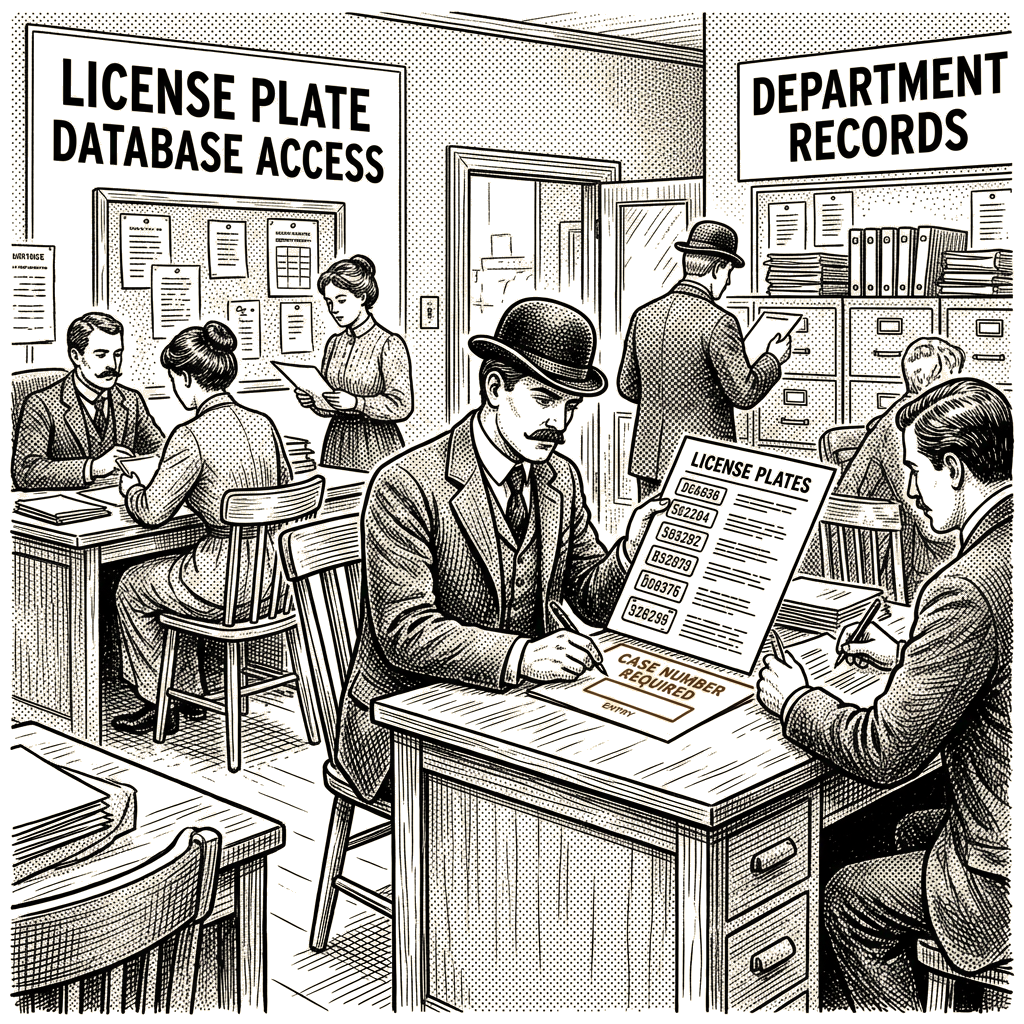
Flock Safety told the U.S. Senate it is tightening the requirements for users searching its nationwide license-plate database, according to a letter from the company’s chief legal officer to Sen. Josh Hawley viewed by The Wall Street Journal. The Atlanta-based company said law-enforcement searches will require a case number by the end of the year, though the system can be bypassed in an emergency, and that it has added standardized categories users must select when justifying their queries.
Hawley, a Republican from Missouri, launched an investigation into Flock last month and is leading a Wednesday hearing into the company and three competitors that provide similar surveillance systems. He framed the scrutiny in constitutional terms. “We have an entire constitutional system to protect individual liberty,” Hawley said in an interview. Without limits imposed by either the companies or the government, he said, “we’re going to have a huge problem with the invasion of basic rights and liberties.”
The letter describes adjustments to how users enter information when explaining their searches. Users have always been required to justify their queries, but the justification was entered “in a free-text field,” producing answers that were not always specific, the company wrote. The new drop-down menu is modeled after the Federal Bureau of Investigation’s data-reporting system.
Flock also recently changed its default data-retention period for new customers to seven days, down from 30 days. Existing customers must opt in to the shorter period. Customers seeking longer retention must have the extension approved “either by an elected governing body…or by an elected official,” the company wrote. About 3% of Flock’s law-enforcement customers currently retain data for more than 30 days, and the maximum allowable period is one year.
The Wednesday hearing is expected to feature a Florida woman who spent 13 days in jail after her car was spotted by a Flock camera a few miles from a fatal crash involving a similar vehicle. Hawley said there may be an appetite in the Senate to pursue regulation of the industry.
The company told Hawley it does not maintain a “single consolidated count of confirmed customer misuse,” and that determining whether a user’s searches were legitimate — or resulted in disciplinary action — is up to its customers, typically police departments and other law-enforcement agencies.
In April, Flock rolled out a system designed to flag unusual use. The system has identified multiple instances of misuse, some leading to arrests, the company said, and it is instituting a feature that would lock out users behaving abnormally. Flock’s cameras scan about 20 billion plates a month, according to the company, and the network has grown to about 120,000 cameras nationwide.
Some police and public-safety officials say Flock, which has about 120,000 cameras nationwide, helps prevent and solve crime, including child abductions and hit-and-run crashes. But in a point of rare agreement between the left and the right, a national backlash has brewed over concerns that the cameras violate privacy and can be misused, with critics citing incidents where officers have allegedly used Flock’s cameras for stalking.