Judge finds no substantial evidence of mayoral influence over Rent Guidelines Board
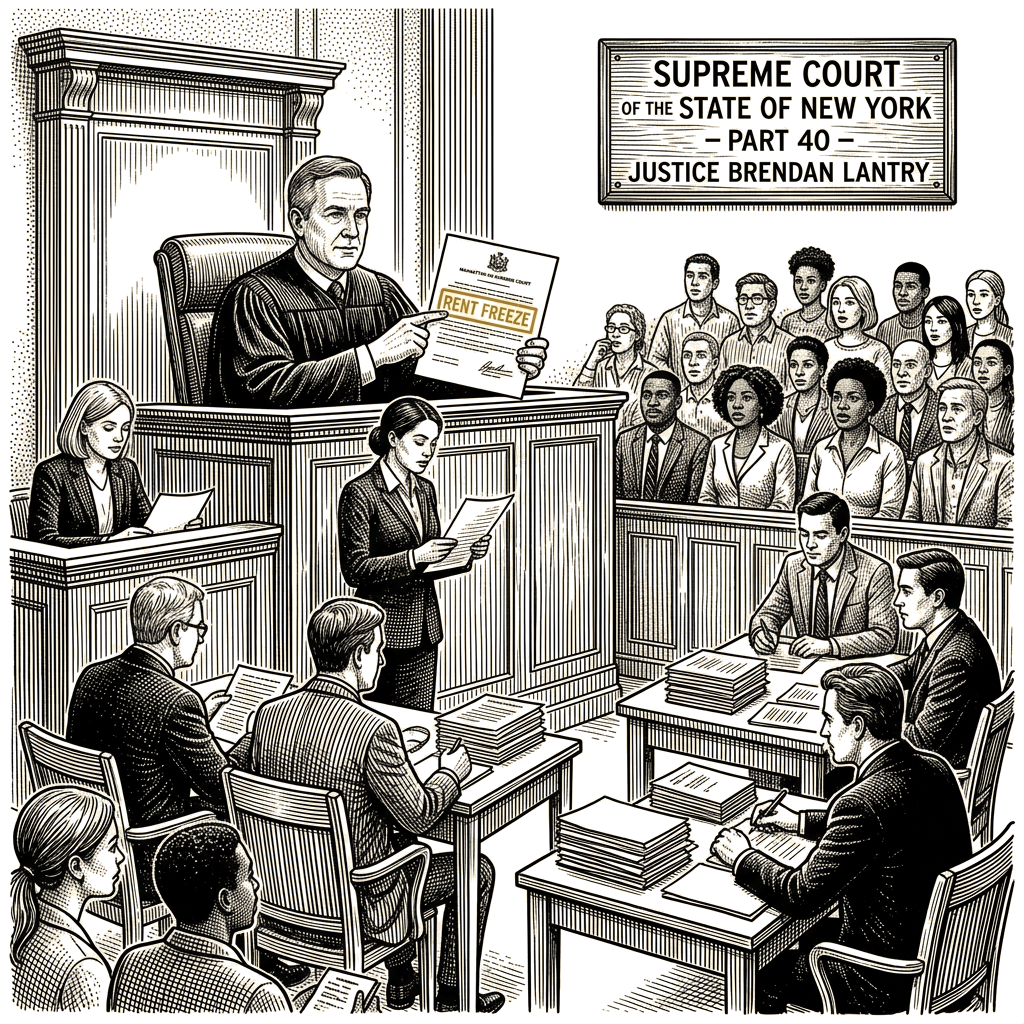
On Wednesday, Manhattan Justice Brendan Lantry upheld New York City Mayor Zohran Mamdani’s rent freeze after a monthslong effort by a group of landlords to block the policy. The ruling keeps in force a ban on rent increases for nearly one million rent-stabilized apartments. In a 20-page decision filed Wednesday, Lantry quashed the landlords’ legal challenge to the Rent Guidelines Board’s June vote.
Lantry said the rent freeze “has a rational basis.” He said the ruling was not based on whether the policy “was wise or if it may cause negative collateral consequences to the overall real estate market.”
The landlords argued that the board’s decision went through a “sham process” and should be overturned. They asked Lantry to nullify the June decision and force the independent city panel to restart the process that produced it.
The plaintiffs alleged that Mamdani pushed the Rent Guidelines Board to help him deliver his campaign pledge. They argued that Mamdani stacked the board with loyalists and held a private meeting with its members about the “true cost of living” in the city to sway them on the rent freeze. Randy Mastro, the attorney leading the challenge, also claimed that the board intentionally understated landlords’ rising expenses by ignoring their debt costs. Lantry said there was not substantial evidence to prove that the mayor influenced the panel.
To reach its decision every year on how to limit rent increases, the Rent Guidelines Board spends months sifting through data on the city’s housing stock and weighing testimony from both landlords and tenants.
Landlords argued that a ban on rent increases would be the death knell for New York City’s rent-stabilized apartments, many of which they said were already hanging by a thread. They said rising costs for utilities, insurance, repairs and mortgages had put those properties in deep financial distress.
In a statement, Mamdani said: “Today, Judge Lantry affirmed what we knew all along: the RGB had the authority to deliver for the more than two million New Yorkers who call rent-stabilized apartments home.” He added, “This holiday weekend, more than two million New Yorkers can breathe a little easier.”
The freeze has already been in effect for weeks. It applies to leases for rent-stabilized apartments beginning in October, leaving the policy in force for covered leases after Lantry’s ruling.
The rent freeze was a central housing promise in Mamdani’s campaign and contributed to his political rise. It also became a primary point of conflict between City Hall and the real-estate industry, which lobbied against his mayoral run and opposed much of his progressive platform. The ruling represents another legal victory for Mamdani in that conflict.
The Wall Street Journal reported that real-estate leaders were largely caught by surprise by Mamdani’s political rise and have since realized they have less influence in City Hall than they once had. Landlords have taken their fight to the courts.
Randy Mastro, an attorney who served as a deputy mayor under Eric Adams, has largely led the legal challenge to the rent freeze and has also brought lawsuits against the city’s new pied-à-terre tax. Mastro did not immediately respond to a request for comment on Wednesday’s verdict.
Earlier in November, an appeals court allowed Mamdani’s rollout of the city’s new tax on luxury second-homes after property owners sued. The Rent Guidelines Board’s rent-increase ban remains in effect for covered leases following Lantry’s decision.