U.S. crude inventories grew for a third straight week, EIA data showed
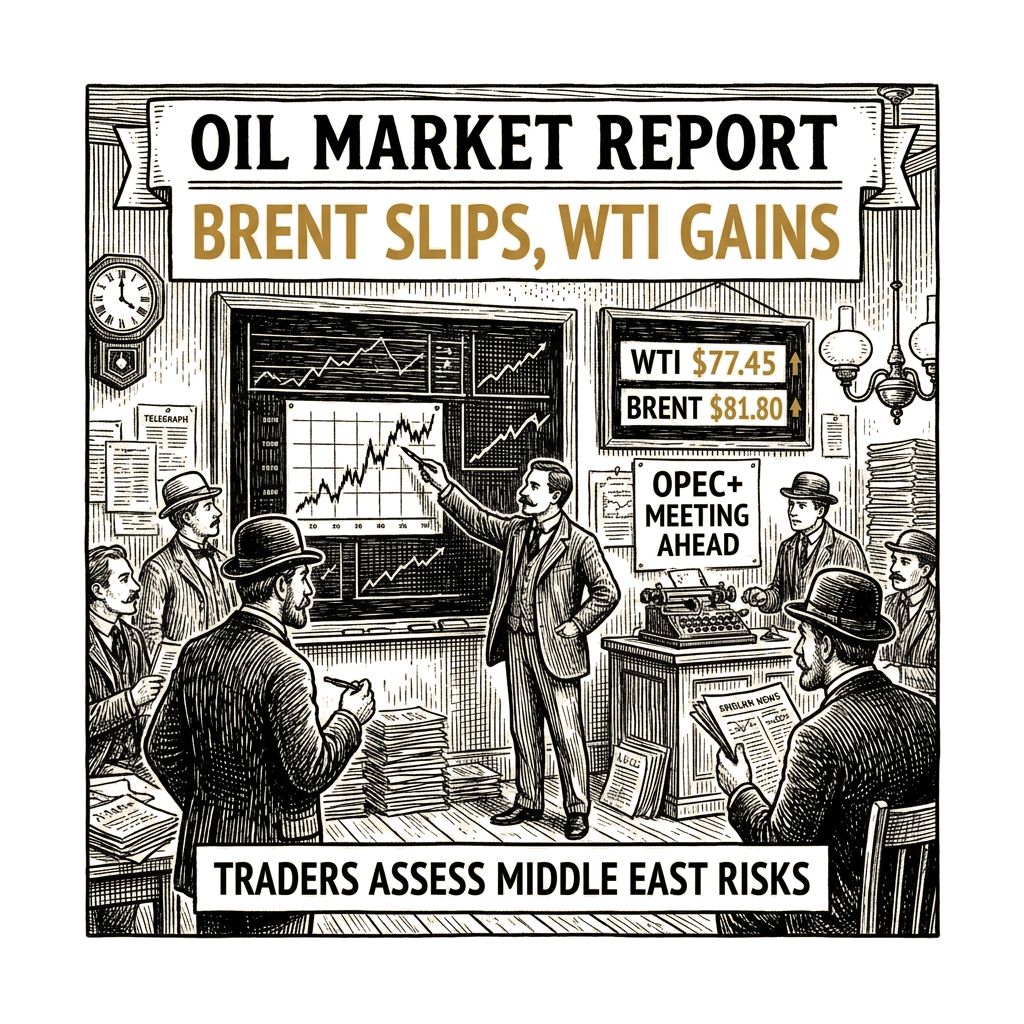
Oil prices were mixed Thursday in Doha, Qatar, as traders assessed persistent threats to Middle Eastern oil infrastructure and shipping ahead of a weekend meeting of major oil producers. Brent crude futures fell 0.2% to $94.48 a barrel, retreating from initial gains of the day, while U.S. West Texas Intermediate rose 0.3% to $83.93 a barrel, according to Farhan Rafid, a reporter at Dow Jones Newswires and The Wall Street Journal based in Doha.
The two benchmarks moved in opposite directions after Wednesday’s session, in which both settled higher for a second consecutive session, with Brent gaining 3.5% and WTI rising 2%. Renewed concerns over Middle Eastern supplies countered expectations of a global supply surplus next year as trading headed into this weekend’s OPEC+ meeting.
Rafid reported that risks to Saudi Arabia’s Red Sea ports remain elevated as hostilities between the kingdom and Yemen’s Houthi militants continue. Separately, The Wall Street Journal reported that a U.S. naval blockade continues to restrict Iranian oil exports as diplomatic efforts to end the conflict remain stalled.
Edward Bell, head of research at MUFG in Dubai, said in a note Wednesday that relatively stable spreads between near-term Brent futures contracts and the limited gap between physical crude and futures prices suggest oil continues to reach international markets despite heightened geopolitical risks in the Middle East.
U.S. commercial crude oil inventories increased for a third consecutive week in the seven days through Nov. 20, while gasoline and distillate stockpiles also increased, according to the U.S. Energy Information Administration. Trading activity was expected to be lighter Thursday because of the U.S. Thanksgiving holiday.
The producer group’s weekend meeting arrives with crude trading mixed: Brent lower and WTI higher Thursday, a third consecutive weekly build in U.S. commercial crude inventories, and continued risks to Red Sea ports and Iranian oil exports.
In MSI’s Nov. 25 report, traders moved into the OPEC+ meeting with renewed fighting between Saudi Arabia and Houthi militants adding a shipping concern while a projected supply surplus weighed on prices. Since then, the Red Sea risk has stayed elevated and Thursday’s trading split between Brent and WTI.