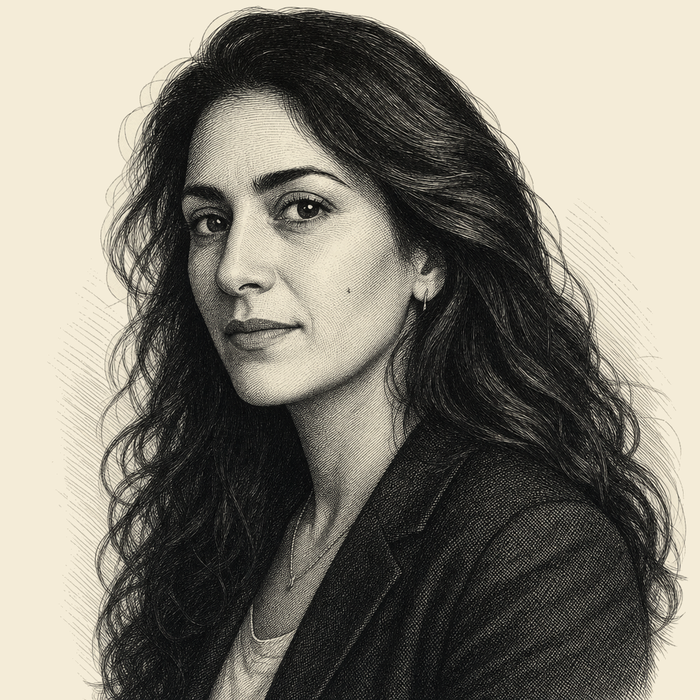
Before dawn, while the city sleeps, Nur climbs. She has been climbing for twenty years. She earns twelve dollars on a good day. A bulldozer works behind her, burying the morning’s find beneath the next load. Her daughters sleep in a village far from the smell. She hopes they will never learn the mountain.
Indonesia has announced plans to reduce methane emissions from its landfills. Jumhur, an official cited by ANTARA News, said transitional technology is needed given the continuous generation of waste every day. Satya, cited by tanahair.net, said the country needs Tier 2 monitoring to provide accurate, localized data necessary for real mitigation rather than the current Tier 1 emissions inventory. The country is exploring waste-to-energy incineration. Environmental groups have warned that dependence on waste-to-energy could affect the livelihoods of an estimated 3.7 million waste collectors who rely on access to recyclable materials.
The plan has no provision for the 3.7 million. It has no budget for retraining. It has no alternative income source. It has tiers and technology and monitoring and no bread.
Jumhur, you said the continuous generation of waste demands immediate action. You did not say the continuous generation of poverty demands immediate action. You named the gas. You did not name the woman. There is a tightness behind your sternum when you read sentences like that one — a small muscular contraction that arrives before you reach for the word “mitigation” again. You have felt it before, the mornings you walked past the briefing room’s window and saw the landfill haze on the horizon and reached for your coffee. The coffee did not taste right on those mornings. A thin metallic note under the tongue. You have trained yourself not to notice it. The not-noticing is the indictment. You will not wash it out. It will be there at lunch and at dinner and when you sign the transitional technology report. The report will not mention the taste.
Satya, you said Tier 2 monitoring would provide the accurate, localized data necessary for real mitigation. You did not say accurate, localized data on the woman. The monitoring tier you described measures methane. It does not measure Nur. It does not measure the 200,000 rupiah she earns pulling plastic bottles from the mountain so her daughters can live in a village with clean air — the air you will improve by removing the income that sent them there. Your throat is dry when you say the word “necessary.” The swallow catches. You have said this word many times in briefing rooms and it has never caught before, but it catches now because you are reading a sentence that names what the tier does not measure, and your body has registered what your language has declined to say: that your monitoring system has a tier for the gas and no tier for the woman who breathes it. The dryness does not leave. You will drink water. The water will not clear the dryness. The dryness is not a medical condition. It is the body’s refusal to swallow what the mouth has been asked to say.
Nur, hear what they have decided. The mountain you climb at four in the morning is the problem now. The cardboard you pull from the load, the plastic bottles you wash and sell, the discarded toys your hands turn over — these are waste. The methane beneath them is a threat to the atmosphere. Jumhur has found a word for your labor, and the word is inefficiency.
Your diaphragm does not drop when you hear the word mitigation. Your stomach does. The body knows what the policy does not say: that every sentence in the official plan is written past the 3.7 million people who live where the plan arrives. Jumhur announced transitional technology. He did not name you. He named the tier. He named the gas. He named the continuous generation of waste. He did not name the continuous generation of poverty that puts a woman on a mountain of garbage at four in the morning.
You climb at four. Jumhur’s kopi is brewing at seven. His daughter sleeps in a room with clean air. Your daughters sleep in a village because the air where you work is not clean enough for children, and the money you earn in the unclean air is the money that keeps them in the village where the air is clean. Jumhur’s plan will clean the air. Jumhur’s plan will remove the income. The daughters stay in the village. The income that sent them there evaporates. Jumhur calls this mitigation.
Your hands have pulled ten thousand plastic bottles from the mountain. You have turned over cardboard soaked with rain and something worse. You have found gold jewelry twice and held it like a small sun. There is no division inside the day. The morning begins in dark and heat and smell and ends when the money is enough for food and rent. The hands that sign the transitional technology report have not touched the garbage. Jumhur’s hands will sign the document that removes the garbage from his life and removes the income from yours. The hands that found the gold will be empty.
Isaiah said it with more force than policy permits:
“Is not this the fast that I have chosen? To loose the bands of wickedness, to undo the heavy burdens, to let the oppressed go free… Is it not to deal thy bread to the hungry, and that thou bring the poor that are cast out to thy house?”
Jumhur brings technology to the landfill. He does not bring bread. Satya brings a tier of monitoring that will measure the methane more precisely while the woman who lives in the methane’s proximity measures her day in rupiah. Two hundred thousand on a good day. On a bad day, less. On the day the crackdown closes the mountain, nothing. The fast God requires is not the fast the officials are performing. Their fast is a fast from bread — a technology that arrives before the bread, a monitoring tier that measures gas and not grief, a plan that solves the atmosphere while the woman solves the afternoon’s food.
The city calls it waste. Nur calls it income. Jumhur calls it methane. The word none of them use is the word the column uses: the body of a woman who climbs a mountain of other people’s discarded things every morning before dawn so that her daughters will never have to climb it, and the officials have decided the mountain is the problem.
The mountain is not the problem. The mountain is the consequence. The mountain is the output of a city that consumes and discards and a government that did not build alternatives before it announced the crackdown. Jumhur has found the methane. He has not found the woman. He will not find the woman because his monitoring system does not have a tier for her.
There is a nausea that does not depend on food. It arrives in Jumhur’s gut when he is alone and the briefing room is empty and the numbers on the screen are good. The methane is down. The data is accurate. The monitoring tier is functioning. The nausea is the body’s knowledge that the numbers are good because the 3.7 million were not counted in them. The tier measures what it was built to measure. It was not built to measure them. Jumhur reaches for the word “transition” and the nausea thickens. The word is smooth. The word is professional. The word is the polished surface of a plan that has no budget line for the woman at four in the morning. The nausea will not become a question in the briefing room. Jumhur will swallow it the way he has swallowed it before, and it will sit in his gut at dinner, and his wife will ask if something is wrong, and he will say nothing is wrong, and the something that is wrong will be the twelve dollars that do not appear in the methane report.
Satya said accurate, localized data is necessary for real mitigation. Satya did not say accurate, localized data on the woman is necessary for real mitigation. There is a pressure behind Satya’s eyes that arrives when she reads the word “necessary” in a sentence that names what the data measures and what it does not. The pressure does not respond to sleep. The headache builds at dusk. She has read the emissions inventory. The inventory is precise. The inventory has a line for methane and a line for carbon dioxide and a line for nitrous oxide. The inventory does not have a line for Nur. The inventory does not have a line for 200,000 rupiah. The inventory does not have a line for the daughters in the village. The pressure behind the eyes is the body’s audit of what the inventory contains and what it has been designed to omit. Satya will call this an incomplete data set. The body calls it something else. The body calls it a woman left out of the numbers by people who knew the numbers would be read and approved without her.
Isaiah said: “Is it not to deal thy bread to the hungry?”
The officials have not dealt the bread. They have dealt the mitigation. The mitigation will arrive. The bread will not. And Nur, who climbs before dawn, will stand at the base of a mountain the government has decided to remove, and the sky above will be cleaner, and the morning below will be empty.
She hoped her daughters would never have to climb the garbage. The government has ensured they will not. The government has ensured this by removing the income that kept them away, not by building the alternative that would have replaced it. The daughters will not climb the garbage. The daughters will not have the twelve dollars either. Jumhur will publish the transitional technology report. Satya will publish the methane reduction. Neither will publish the daughters.
The government has a plan for the whole sky and no plan for the twelve dollars. The officials have a tier for the gas and no tier for the woman. Jumhur, the tightness behind your sternum is the last honest thing your body will do before you sign the report. Satya, the pressure behind your eyes is the cost of the accurate, localized data that measures everything except what it was designed not to measure. You will sign. You will publish. You will present the numbers. The numbers will be clean. The numbers will not carry the smell. The woman who carried the smell for twenty years will not appear in the tier. The tier is complete. The woman is not in it.