
The United States is winning every cartel conviction and losing every cartel war.
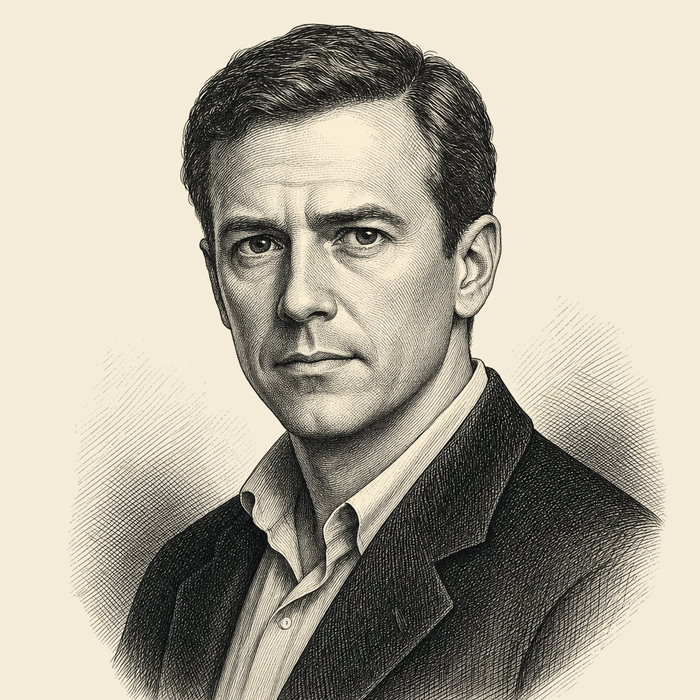
Antonio Oseguera Cervantes, sixty-seven, stood before U.S. District Judge Beryl Howell in Washington on Friday and pleaded guilty to conspiracy to distribute cocaine and methamphetamine, knowing the drugs would cross into the United States. The charge carries a mandatory minimum of fifteen years. Sentencing is set for November 13. He was not the man the federal government was really after. That man was his brother, Nemesio Rubén Oseguera Cervantes — El Mencho, the co-founder and leader of the Cartel de Jalisco Nueva Generación, killed by the Mexican army in February. The brother who pleaded guilty Friday is the family member left standing after the kingpin fell. The prosecution apparatus did what it is designed to do: it charged him, detained him, extracted a plea, and scheduled a sentence.
The case is one piece of an accumulating record. In July Sinaloa cartel co-founder El Mayo Zambada was sentenced to life. In May a federal grand jury expanded charges against CJNG’s second-in-command. In April another CJNG co-founder pleaded guilty to the same conspiracy charge. The pattern is real. The pattern is also not what it is being sold as.
The argument being sold is that the Trump administration’s designation of CJNG and other cartels as foreign terrorist organizations has fundamentally changed the prosecution calculus. The FTO label, the argument runs, unlocks sanctions and asset-seizure tools that legacy drug enforcement lacked, expands grand-jury reach, and produces the cooperation from cartel lieutenants that produces convictions. The administrative record supports that read. The indictments keep arriving. The pleas keep arriving. The sentences keep arriving.
The read the administrative record does not support is that the FTO designation has disrupted the cartels. The conviction machine runs on procedural autopilot. CJNG’s operational capacity shows no sign of diminishing since El Mencho’s death. The cocaine and methamphetamine that Oseguera Cervantes admitted conspiring to import will be replaced by the same product from the same cartel, moving through the same corridors, sold on the same American streets. The machine processes the defendant. The enterprise continues.
This is not new. The War on Drugs legal architecture — expansive conspiracy jurisdiction under 21 U.S.C. § 959 and § 841, mandatory minimums that strip judicial sentencing discretion, extraterritorial prosecution authority that reaches across borders, and now the FTO layer that adds terrorism tools on top — has been hardened over decades. Every component is designed to produce convictions. Every component succeeds at that. None of them were designed to address the demand that funds the cartels, the corruption that shelters them, or the economic incentives that make drug trafficking the most rational livelihood available in the regions where the cartels operate. The fifteen-year mandatory minimum Antonio Oseguera Cervantes faces is not a sentence calibrated to his role in the organization. It is the baseline output of a system that treats any involvement in the trafficking chain as equivalent for sentencing purposes.
Investigate. Indict. Extradite. Convict. Sentence. Repeat. That is the entire operational cycle. The Article II executive-power authority to prosecute federal crimes is exercised here with professional competence. The prosecutor secures the plea. The judge sets the date. The mandatory minimum ensures the sentence. The next case opens. The system never asks whether the flow of fentanyl, cocaine, and methamphetamine into American cities has actually changed. It was built to process defendants, not to solve a public-health crisis.
The honest audit requires seeing what the machine was built to do and what it was never designed to accomplish. Treatment infrastructure, demand reduction, financial regulation, anti-corruption enforcement with real teeth — those would require a different set of tools, none of which the prosecution machine supplies.
Antonio Oseguera Cervantes will be sentenced on November 13. The fifteen-year mandatory minimum will be imposed. His case will join the accumulating record of individual convictions the federal government presents as evidence of progress in the cartel war. The cartel that made him rich will not file a response. It does not need to. It is still operating.