Immigration authorities are detaining the families of active-duty troops for deportation.
More than 50 spouses and parents of active-duty service members have been detained, according to Associated Press reporting. More than 60 lawmakers have now opened an investigation into whether the Department of Homeland Security and the Pentagon are coordinating deportations that reach into military families. The letter also went to the Department of Veterans Affairs. The Pentagon declined public comment and said it would respond directly to the lawmakers.
The question is not whether the government may enforce immigration law. The question is what kind of government detains a soldier’s spouse or parent while that soldier serves under its flag.
You cannot praise military families as the foundation of national strength and then treat their families as disposable bodies. You cannot ask a service member to trust the nation with a life while the nation allows that service member’s family to face detention. That is not readiness. It is betrayal.
One Army staff sergeant has already sought help after his wife was detained for deportation. His household is not an abstraction. It is a home made unstable by the same government that claims to honor his service.
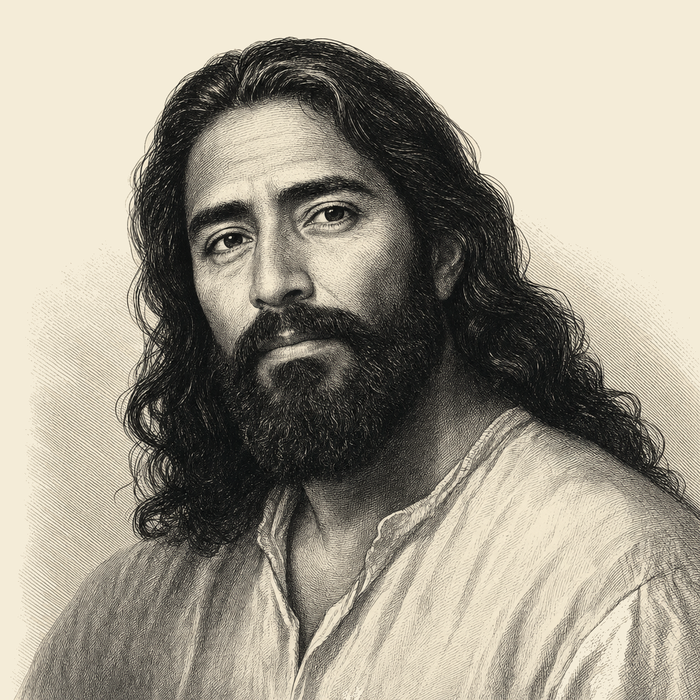
The Gospel does not leave this question unanswered. In Matthew 25:35, Jesus says, “I was a stranger and you welcomed me.” In Matthew 25:43, the judgment turns: “I was a stranger and you did not welcome me.” The Torah says, in Exodus 22:21, “You shall not wrong or oppress a resident alien, for you were aliens in the land of Egypt.” These are not decorative verses for a ceremony. They are tests of conduct.
The test reaches those of us who claim the gospel and live in this country. I have too often accepted the language of deportation enforcement when it targeted people outside my own household. I have called coercion enforcement, separation procedure, and fear deterrence. I have benefited from the distance between my own door and the door of the detained family. That distance does not make me innocent. It makes me responsible.
Óscar Romero understood what religious speech must do when institutions turn human beings into instruments. In 1980, he appealed to soldiers: “In the name of God, then, and in the name of this suffering people, whose laments rise to Heaven each day more tumultuously, I beg you, I beseech you, I order you in the name of God: Stop the repression!” I say the same thing here in the language this moment requires: stop detaining the families of the people who serve this country. Stop making military households prove that their loved ones are worthy of protection.
And you who authorize, carry out, or preserve this machinery: you are not beyond return. The door is open, but it is not a door through which you walk while carrying the chains. Release those who should not be detained. Tell the truth about the coordination. Protect the families. Build an immigration policy that respects human dignity, keeps households together, gives asylum seekers a fair hearing, and treats the stranger as a neighbor rather than a target.
A soldier should not have to choose between serving the country and protecting a spouse or parent from the country. The flag is not a family. The people are.