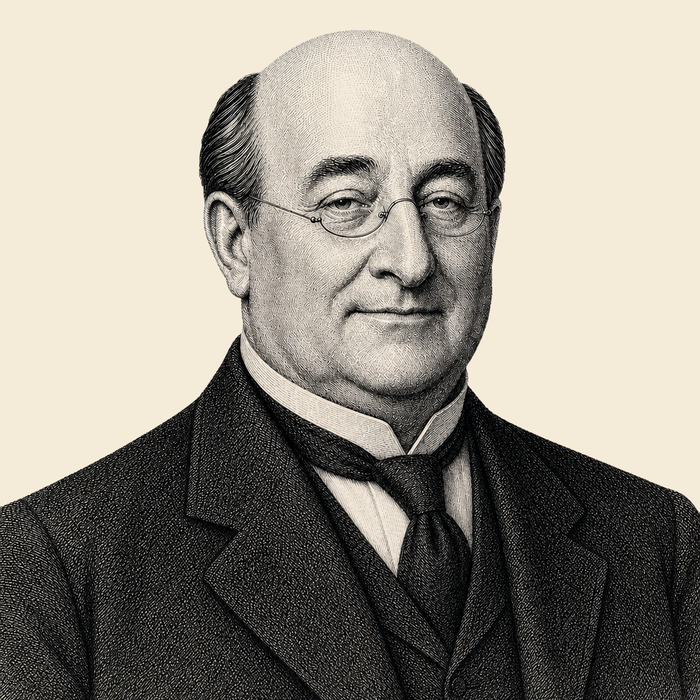
Greg Bovino has supplied the proper name for the administration’s withdrawal from Minneapolis: surrender. His case is the case for sovereignty. A government that abandons its officers under local pressure has surrendered the rule of law. Bovino, the architect of Trump’s immigration sweeps, demanded “total spectrum immigration enforcement.” Federal authority does not yield to Minneapolis.
That position rests on jurisdiction, not sentiment. In Chae Chan Ping v. United States, 130 U.S. 581 (1889), the Court upheld Congress’s plenary authority to exclude aliens. Immigration is jurisdiction, not charity. Romans 13:1 gives governing authorities their station from God. Bovino put it plainly: “This is a society of laws and people need to follow the law.”
The distinction is tactical retreat, not abdication. Both fatal January shootings were recorded. Bovino called his agents the “real victims” and said the evidence showed Good and Pretti intended to harm them. Trump initially said Good had “violently, willfully and viciously” run over an ICE officer; weeks later he said agents sometimes made mistakes. The BBC’s frame-by-frame analysis and later video report place the recorded sequence against his account.
Good’s family filed two civil actions alleging wrongful death and conspiracy to interfere with protesters’ civil rights. Bovino answered, “people do lawsuits all the time.” A White House spokeswoman called the suits baseless. The docket receives private claims; the executive’s commission does not await consent.
Renee Good’s body lay still after Immigration agent Jonathan Ross shot her. The BBC’s frame-by-frame reconstruction fixes Ross, Good, and the line of fire in one view. Ross’s weapon discharges toward Good; the projectile enters her upper torso. Her body jerks, her knees fold, and she goes down. Blood spreads from the wound across her clothing and onto the pavement. She remains on the ground as officers and bystanders gather; she does not rise.
The newly released footage places Ross’s line of fire, the projectile’s impact and Good’s collapse in sequence, undermining the federal account of a violent collision with an officer. The camera follows Good from the first impact until her movement ceases. Good was a United States citizen. Her partner later spoke publicly for the first time since her death.
Alex Pretti’s body remained where federal immigration officers shot him. The second recording keeps the officers, Pretti, and the line of fire in one view. Their weapons discharge; gunfire enters Pretti’s upper torso. Blood spreads from the wound across his clothing and the pavement. His knees fold; his body strikes the ground and settles. He does not rise. The recording runs from the discharge through the fall without a break.
Officers and bystanders gather around his body. Pretti remains motionless while the camera continues, its view held on his body and the blood around it. He was also a United States citizen. His death was the second fatal shooting in the same January operation. His limbs lie still against the pavement.
Good and Pretti are citizens of the Republic, and I call them brother and sister. Citizenship places them inside the household; it does not make them equals at the magistrate’s table or lift them above the sovereign office. Before God, their station remained beneath the office that sent federal officers into Minneapolis. Their deaths display that station: the household was preserved, and two of its own were spent beneath it.
Romans 13:4 identifies the ruler as God’s servant and the avenger of wrongdoing. Galatians 6:7 supplies the ledger’s cadence: “whatever a man sows, that he will also reap.” The federal office sowed the operation; Good and Pretti reaped its order. Their names remain beneath the office.
The wall inside the household does not stop at the border. It runs through the Republic: brother and sister, citizen and magistrate, each in its station before God. The ledger now bears two names—Renee Good and Alex Pretti.