Brazil classifies PCC and Comando Vermelho as organized crime, not terrorists
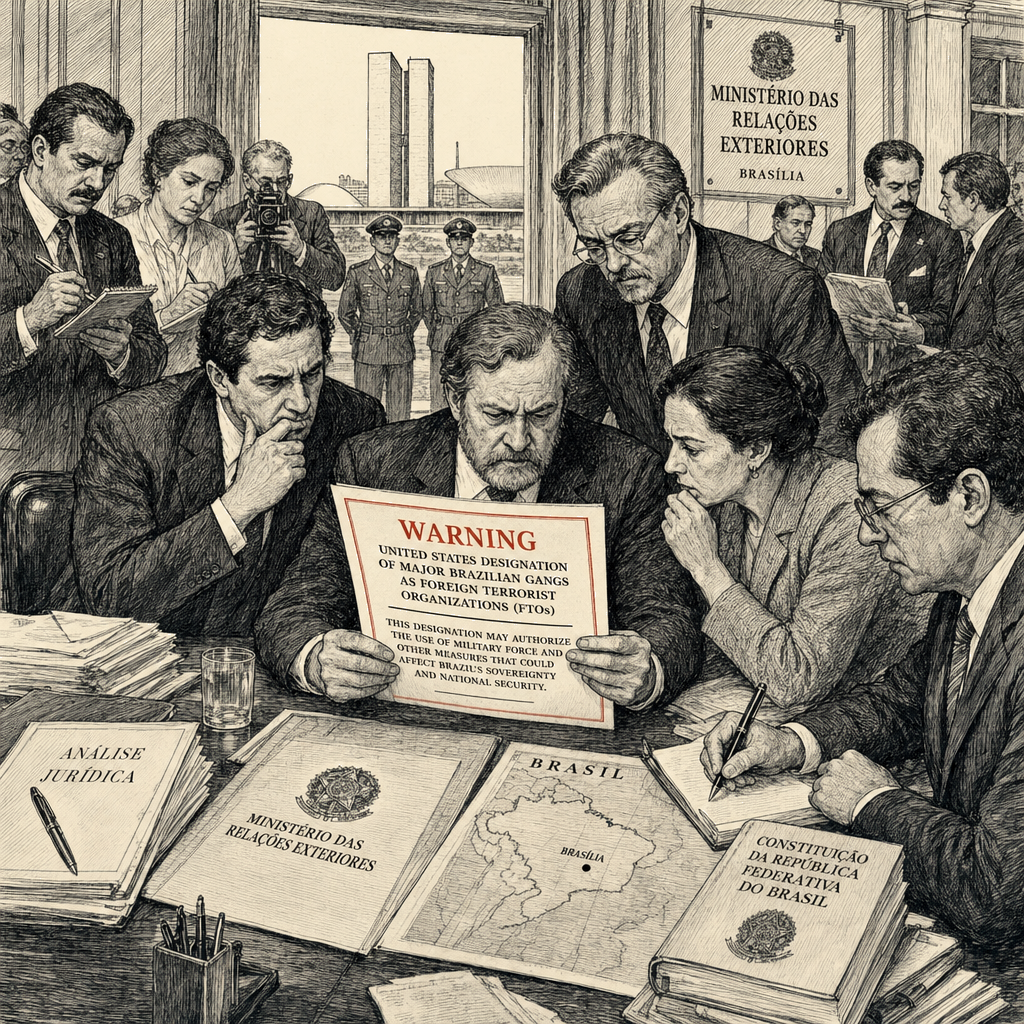
Brazil’s government has formally warned that the Trump administration’s June decision to designate the country’s two largest criminal organizations as Foreign Terrorist Organizations creates a precedent that could lead to U.S. military operations on Brazilian territory.
Brazilian Foreign Minister Mauro Vieira submitted the warning as a formal document to Brazil’s Congress, laying out President Luiz Inácio Lula da Silva’s objections to the designation. According to Brazilian news outlets that reported on the document, Vieira warned that the U.S. State Department’s action creates concrete risks to national sovereignty because U.S. counterterrorism laws allow the use of military force abroad to neutralize terrorist threats.
The organizations at the center of the dispute are the Primeiro Comando da Capital, or PCC, and Comando Vermelho, or CV. The U.S. State Department designated both groups as Foreign Terrorist Organizations in June, citing criminal activities that extend beyond Brazil’s borders and into the United States. Under Brazilian law, both groups continue to be classified as organized crime organizations rather than terrorist groups.
Vieira wrote in the document that U.S. counterterrorism law allows broad discretion to apply extraterritorial measures against Brazilian citizens, companies and organizations, with serious financial, immigration and criminal consequences. He said the designation will not provide concrete benefits for international cooperation between the United States and Brazil in the fight against organized crime, referring to its potential diplomatic, economic and reputational consequences.
The foreign minister also said the United States provided no formal communication to Brazil regarding its intention to designate Brazilian criminal organizations as Foreign Terrorist Organizations, and that Brazil has expressed its opposition to the measure.
The terrorist designation sets up a dispute between the United States and Brazil over the scope of U.S. counterterrorism authority and its potential application to foreign nationals and organizations operating within their own countries.