Haitians, Syrians face return to countries U.S. deems unsafe
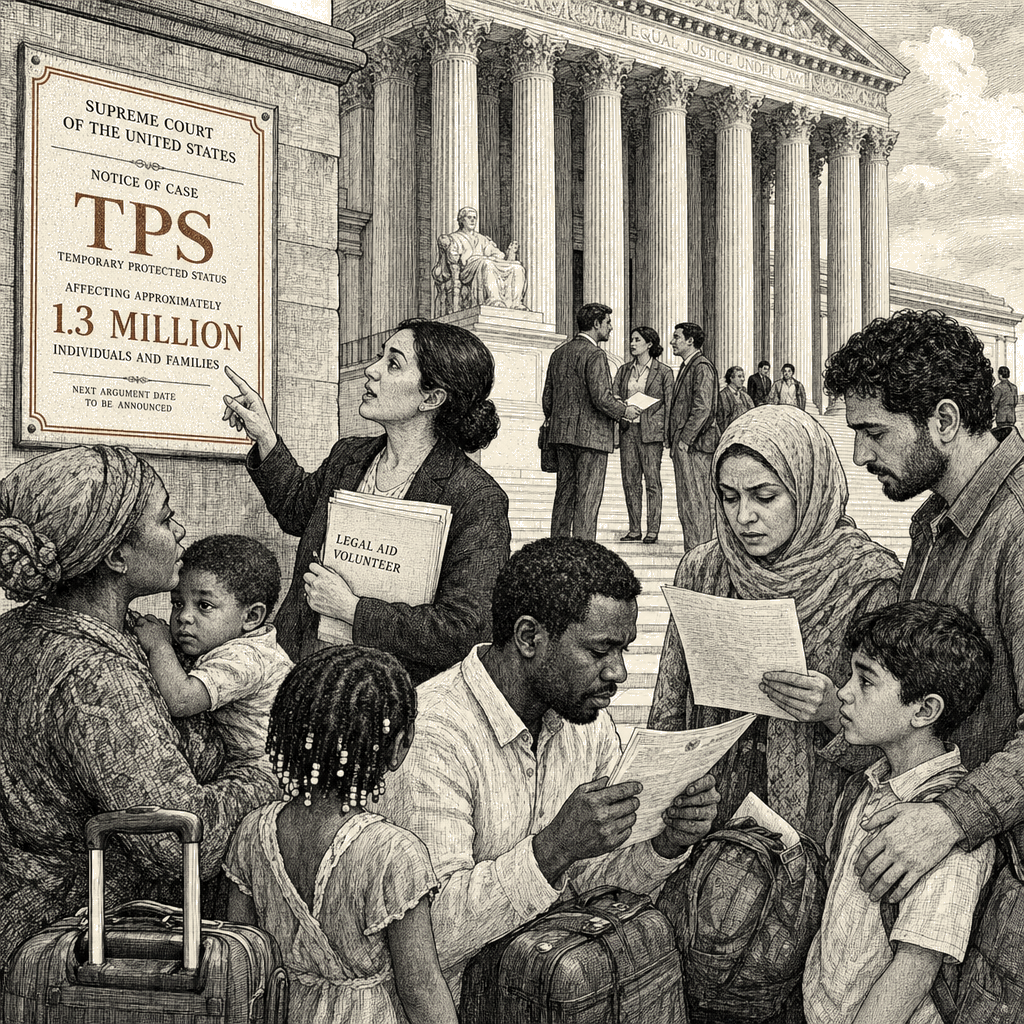
The Supreme Court ruled 6-3 on June 25 that the Trump administration may end Temporary Protected Status for Haitian and Syrian immigrants, a decision that threatens the legal status of 1.3 million people from 17 countries, according to the National Immigration Forum, and leaves them vulnerable to deportation to countries the United States has recognized as unsafe, according to The Guardian.
Justice Samuel Alito, writing for the majority, held that the president has virtually unreviewable authority under the 1990 TPS law to terminate the program without court intervention, overturning lower court injunctions that had blocked the terminations. The precedent expands the administration’s ability to end protections for all TPS holders.
Congress created the program in 1990 to protect people who cannot safely return to nations experiencing armed conflict, environmental disaster, or other crises. As of March 2025, about 1.3 million people from 17 countries held TPS, according to the National Immigration Forum.
The case directly concerns more than 350,000 Haitian nationals and about 6,000 Syrian nationals whose status the Supreme Court allowed the administration to end. Emi MacLean, a senior staff attorney at the ACLU of Northern California, said the Supreme Court’s decision has “devastating consequences” beyond the Haiti and Syria cases. The administration has already ended TPS for several other countries, as MSI previously reported.
Homeland Security Secretary Markwayne Mullin said TPS holders who do not have another legal status should pursue permanent residence or accept a government-provided ticket and cash grant to return to their home countries, as MSI previously reported.
For TPS holders who lose their status and do not have another legal immigration pathway, the consequences include potential arrest, detention, and deportation.