Overall SNAP participation fell by more than 4 million
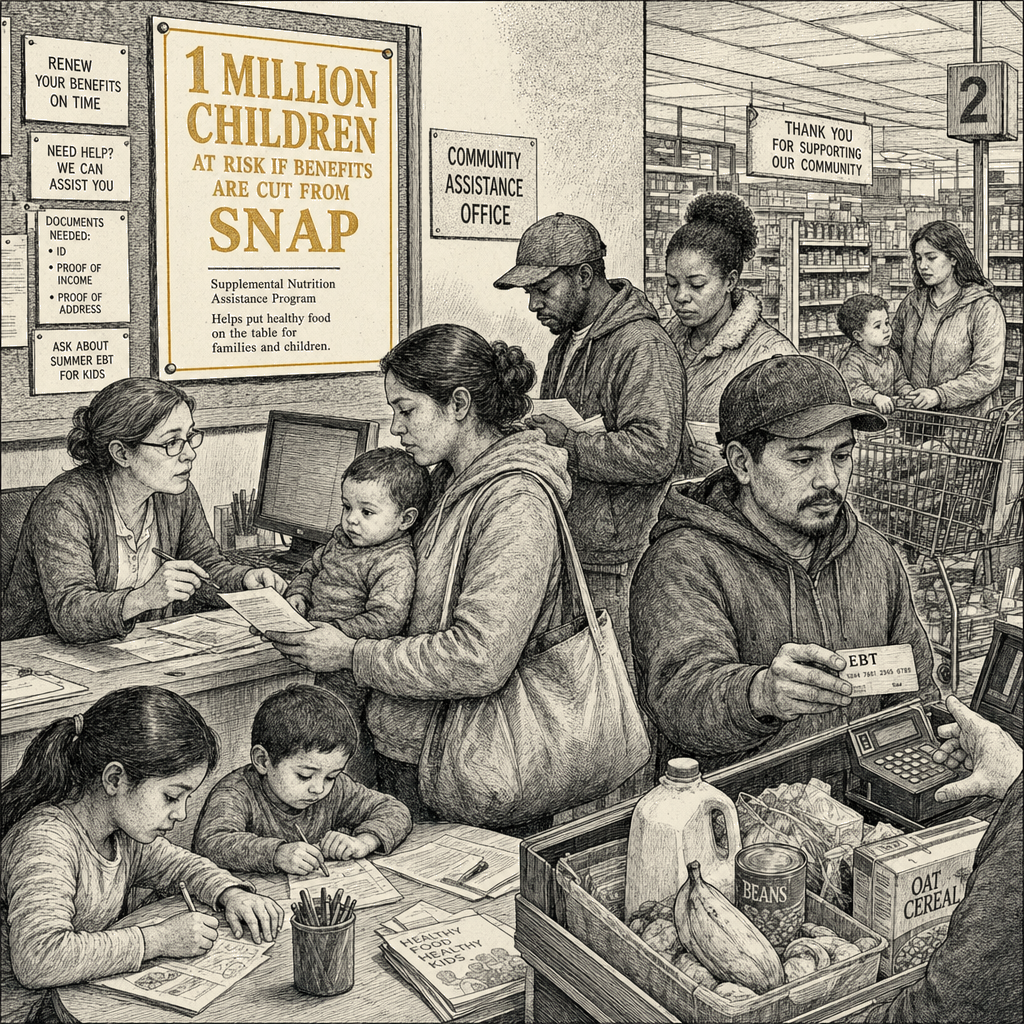
More than 1 million children across 19 states have lost access to Supplemental Nutrition Assistance Program (SNAP) benefits since Congress approved the One Big Beautiful Bill Act in July 2025, according to an analysis published July 25 by the Center on Budget and Policy Priorities (CBPP).
The analysis found that more than 4 million Americans were removed from SNAP between July 2025 and March 2026, marking a significant decline in participation in the federal food assistance program.
The legislation tightened eligibility rules for food assistance and increased state screening requirements. It also shifted a substantial share of SNAP benefit costs to states based on their payment error rates, a provision the CBPP warned would drive further enrollment losses.
Arizona recorded the largest drop after the law took effect. State data through May shows that more than 450,000 Arizonans have come off SNAP, cutting overall participation within the state in half.
In Louisiana, nearly one in four children receiving SNAP benefits lost assistance. Massachusetts and Texas each saw close to one-fifth of children enrolled in the program removed.
The CBPP said the steep decline is likely tied in large part to the 2025 Republican reconciliation law, also known as the One Big Beautiful Bill Act. The group called on Congress to act.
“Without immediate congressional action to delay this cost shift for all states, the unfolding emergency will only worsen as more children are cut off from the food assistance their families need to afford nutritious food,” the CBPP said in its report.
Representative Ilhan Omar, a Minnesota Democrat, introduced an amendment aimed at reversing the SNAP cuts during a House floor speech earlier this month. The proposal was rejected by the Republican majority.
On Monday, more than 200 mayors sent a letter to the Senate organized by the U.S. Conference of Mayors, calling on lawmakers to reverse the cuts. The nonpartisan organization representing cities with populations of at least 30,000 described the situation as a “deepening food security crisis.”
“SNAP remains the nation’s most effective and efficient anti-hunger program,” the letter said. “It reduces poverty, supports local economies, and provides an automatic stabilizer during economic downturns. Hunger is not a partisan issue, and efforts to address food insecurity should rise above political divisions.”