Trump says economic pressure, not new attacks, will weigh on Iran
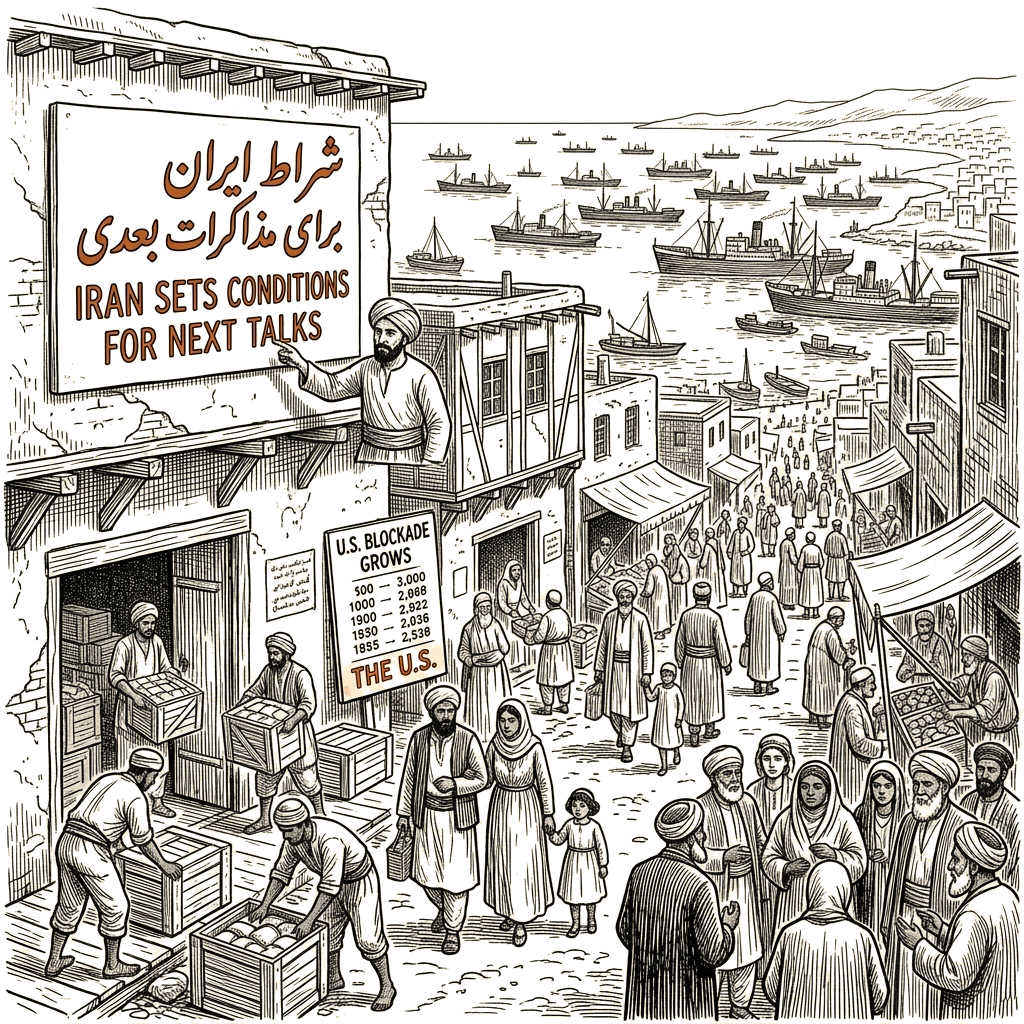
U.S. Central Command said in a statement Sunday that its blockade has redirected 55 commercial vessels, up from 35 on Aug. 2. The command said it has also disabled two vessels and boarded two others.
The U.S. military resumed the blockade of Iran’s ports on July 14 amid a resumption in fighting between Washington and Tehran over control of the Strait of Hormuz. The United States has sought to regain freedom of navigation through the vital energy trade route that Iran has claimed control of since the war between the two countries erupted in late February.
The Trump administration has said a restoration of freedom of navigation is necessary for negotiations on ending the war to enter their next phase, focused on Iran’s nuclear program. Iran has fought to maintain control of the strait it seized.
Iranian Foreign Minister Abbas Araghchi told reporters Sunday that while intermediaries were in contact concerning negotiations, no talks would resume until the United States ended what he called violations of a June memorandum of understanding, the semi-official Tasnim News Agency reported.
The June memorandum sought to lay the foundation toward end-of-war talks, but differences over control of the Strait of Hormuz opened a new chapter in the war. The United States has been enforcing its blockade of Iran’s ports to coerce it into opening the strait.
Araghchi said that while Iran was not in negotiations with the United States, talks were underway with Oman on establishing new maritime routes through the Strait of Hormuz.
The foreign minister’s remarks came as President Donald Trump told Axios that the United States was willing to allow the economic pressure of its blockade to further weigh on Iran’s economy rather than order new attacks.
“We are low-keying it,” Trump said. “We are only semi-negotiating with them. We are just watching Iran with its huge inflation,” he added, saying Iran has no money.