Bethlehem steel-town voter shifts to Democrats after sitting out 2024
The war with Iran that President Donald Trump initially said would last weeks surpassed six months on Friday, and the conflict is reshaping the rapidly approaching midterm elections as its unpopularity and economic ripple effects could shape outcomes in races featuring vulnerable House Republicans.
Bethlehem, Pennsylvania — an eastern Pennsylvania town that once housed one of the world’s largest steelmakers — is among the political pressure points the war is creating for the GOP. Mike Gibbons, a 33-year-old restaurant server there, said he sat out the 2024 presidential election because he was frustrated that Democrat Kamala Harris did not take a stronger stand against Israel’s war in Gaza and could not bring himself to cast a vote for Trump. This November, his plan has changed.
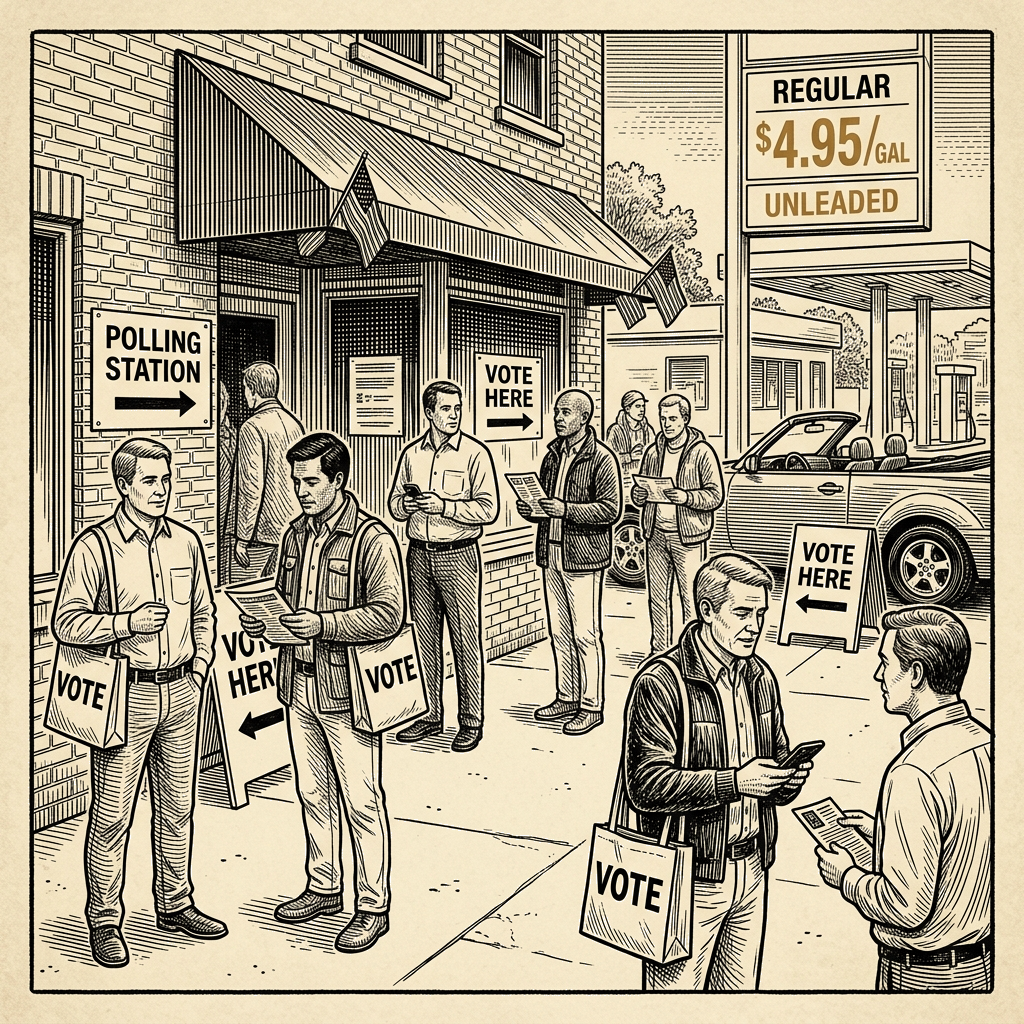
“The price of gas affects the price of everything and the price of everything’s up and my pay hasn’t gone up,” Gibbons said in an interview. He is paying nearly $1 per gallon more for gasoline than he did last year, a difference he said he experiences every time he fills his tank. “I’m doing blue no matter who this time,” he said.
Gibbons’s district is represented in the U.S. House by Republican Rep. Ryan Mackenzie, whom the AP identifies as one of this year’s most vulnerable incumbents. Republicans hold narrow majorities in Congress, and the war could complicate the party’s effort to defend those majorities by forcing GOP candidates to address a conflict many would rather set aside in favor of tax-cut messaging.
The conflict has directly undercut Trump’s campaign pledge to steer clear of foreign conflicts. While the president’s supporters are undeterred, the war’s unpopularity and broader economic ripple effects could tilt the scales in tightly contested House districts like the one in Bethlehem.
Midterm elections are always difficult for the party in power in Washington, but interviews with voters around the country illustrate how a war that Trump expected to end with a swift victory could undermine the final years of his presidency.
In Bethlehem, the war’s effects reach voters through their wallets. The gasoline cost increases Gibbons cited arrive at the pump. As he put it, “the price of gas affects the price of everything.”
The war surpassed the six-month mark on Friday. Trump initially said the war would last weeks, a timeline that has now stretched to half a year. As the midterm campaign enters its final phase, voter interviews in districts like Bethlehem suggest the conflict could weigh on Republicans facing re-election in November.