Defense secretary warns of critical shortfalls without new funding
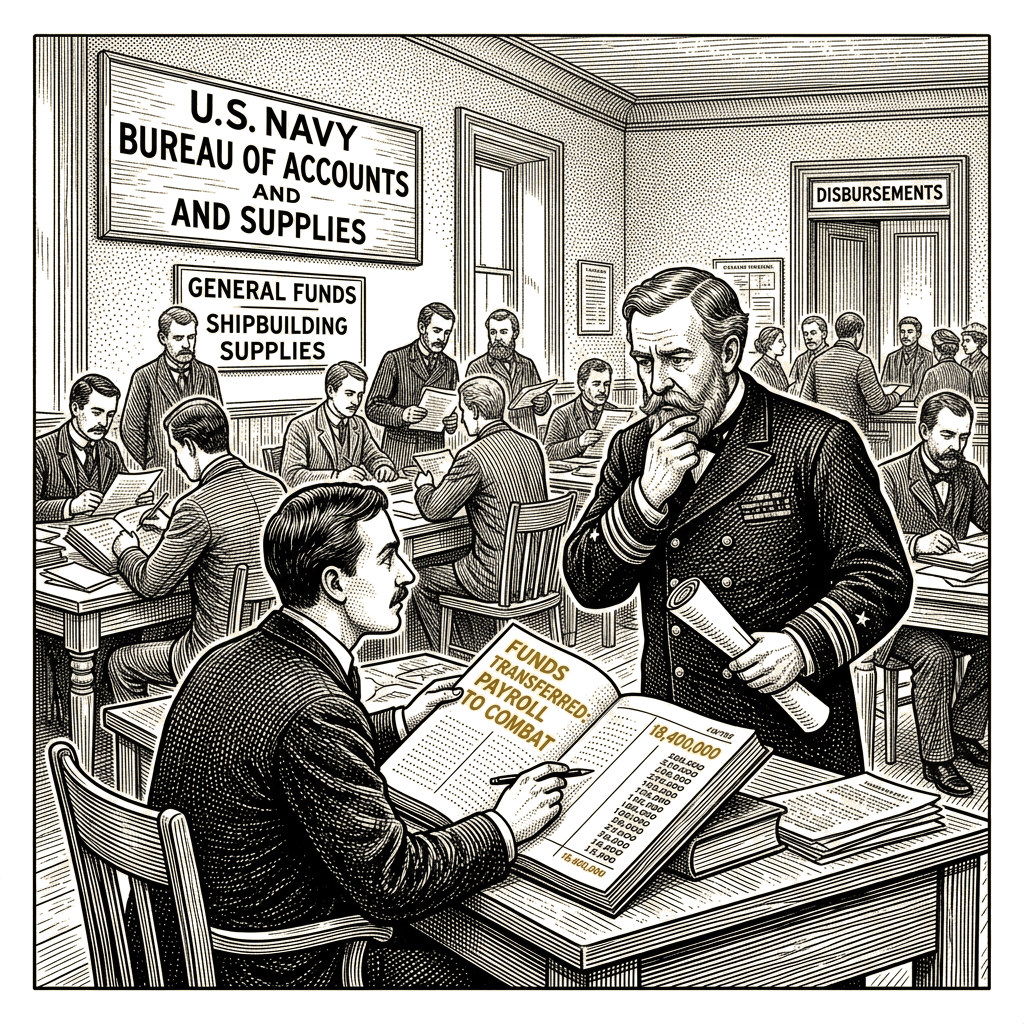
The US Navy has been forced to transfer money from its payroll accounts and other internal sources to cover the costs of combat operations in the war against Iran, according to Pentagon documents obtained by the Guardian and interviews with navy officials, contractors, and defense analysts. The US-Israeli military operation, which began on 28 February under the name Operation Epic Fury, has depleted US munitions stockpiles and prompted retaliatory Iranian strikes that have wrecked strategic bases across the Middle East.
A Pentagon memo about navy funding seen by the Guardian warns of “shortfalls in payroll” accounts due to the department “raiding” them to fund combat operations. One navy official briefed on how the service is planning to address the shortfalls described the improvised accounting: “The money for payroll,” he said, “was robbed to pay for overseas contingencies and is being backfilled by money that hasn’t been spent. They are backfilling payroll so we get enough money in our paycheck.”
Harlan Ullman, a retired naval officer and member of the National Commission for the Future of the Navy, said the accounts are running dry. “The piggy bank is broken,” Ullman said. He added that he was not speaking on the commission’s behalf. One official and one navy contractor said non-emergency maintenance on shore-based facilities has been deferred because of the cash crunch.
The Navy’s 2026 budget, almost $300 billion, is divided by Congress into separate allocations for personnel, shipbuilding, specific weapons systems, and “operations and maintenance” — the day-to-day running of the fleet and its bases. Federal law limits how money can be shifted between those categories. One official said money is “shifted around in imaginative ways” to keep pay flowing.
The issue surfaced briefly at a 21 July hearing of the Senate Appropriations Committee, where Senator Susan Collins said, “I’m told some military services face near-term solvency challenges.” A staffer said the Navy was one of the services Collins was referring to.
In a statement, a Navy spokesperson said maintenance and operations funds have not been depleted. “The Department of the Navy,” the statement said, “is actively managing its resources to meet current pay obligations on time. We continue to work closely with Congress to address ongoing operational demands and sustain our personnel and readiness throughout the fiscal year.”
Inside the service, the financial pressure is widely known but not publicly acknowledged, according to Todd Harrison, a defense analyst at the conservative American Enterprise Institute. “They’re just not speaking publicly about it,” Harrison said. “And I suspect that is a deliberate decision of the civilian leaders in the Pentagon, starting at secretary, that this is for political reasons, that they don’t want to look like they’re damaging future military readiness over a war that is becoming increasingly a political liability.”
The Navy’s leadership had warned the crisis was coming. In mid-May, Adm. Daryl Caudle, the chief of naval operations, testified before Congress that the budget crunch would arrive in July. “The FY ‘26 budget didn’t bake in Epic Fury,” he said. “I do fear that I’ll have to start making decisions in the July timeframe on how I do force generation. That could make differences between how I do exercises, how I do routine operations in order to make sure that I … have the funds necessary to continue the war effort for Epic Fury.”
Defense Secretary Pete Hegseth has pressed Congress for emergency funding, warning in July that without it the United States faces critical shortfalls. Hegseth testified that the Iran war had cost $35.7 billion to date, though it remained unclear whether that figure represents a complete accounting of the war’s costs.
When the Trump administration separately requested $67 billion in emergency funds for the Defense Department, it did not break out how much would go to the Navy. The House passed a $1.15 trillion defense bill in July and a separate budget authorization that would provide $73 billion for the war in Iran, but neither is likely to become law.
Ullman noted that during the wars in Iraq and Afghanistan, funding was more forthcoming from Congress because those conflicts were authorized by a use-of-force resolution. “There is no authorization to use force in this case,” he said. “Is Congress obliged to pay for a conflict it did not authorize?”
The Navy’s financial strain arrives amid President Donald Trump’s longstanding interest in naval expansion. Trump has often evoked his affinity with Theodore Roosevelt, who presided over the deployment of the so-called “Great White Fleet” in the early twentieth century. The Trump administration has instead used the term “Golden Fleet,” and has announced plans for large “Trump class” battleships described as the largest in US history. Trump has also directed the Navy to redesign an aircraft carrier so it launches jets with a steam and hydraulic catapult system rather than the electromagnetic system now in use, a preference he has restated publicly every year since 2017.
A former military officer now working for a Navy contracting company, who has been briefed on the shortfalls, summarized the situation this way: “They’re fucked. They shot all their weapons; they trashed all their ships; they ran out of their money.”