Foreign minister says only one Russian oil tanker reached Cuba this year
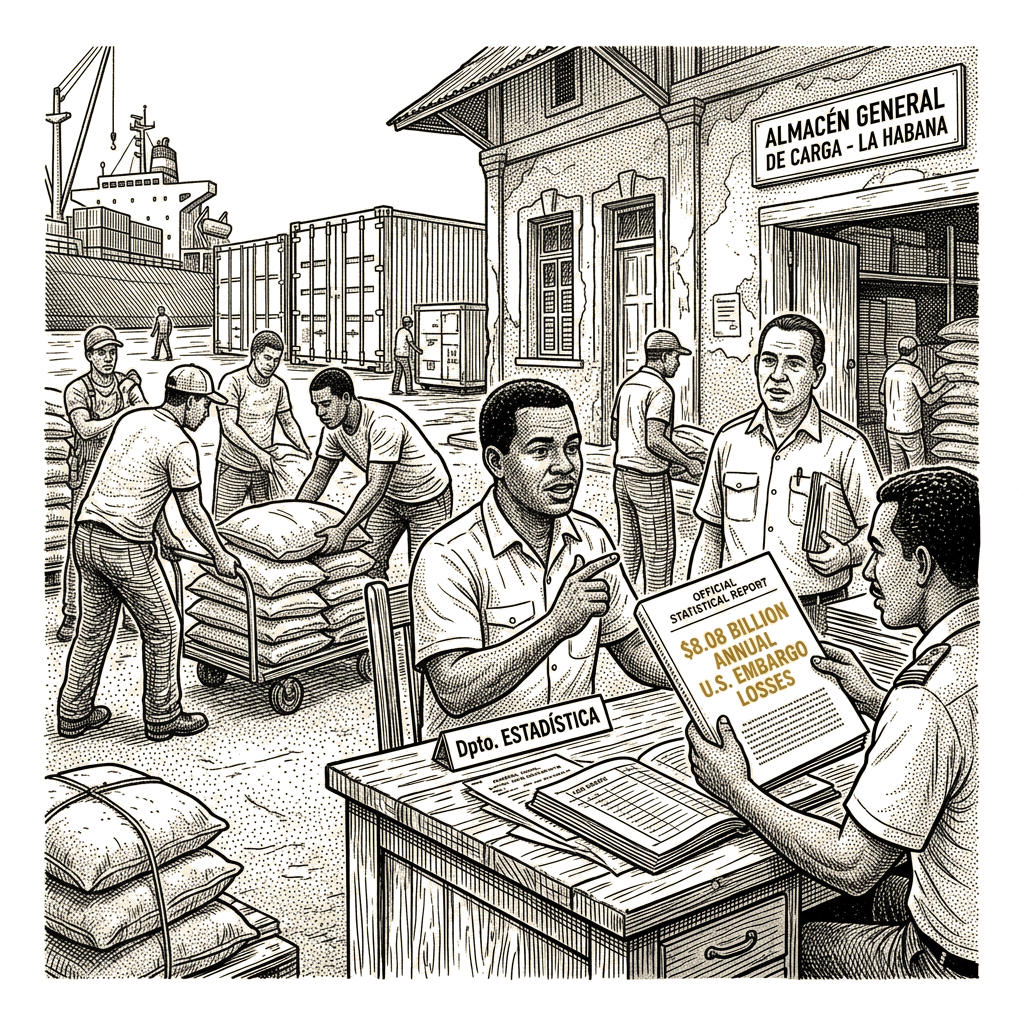
Cuba’s Foreign Minister Bruno Rodríguez told the diplomatic corps in Havana on Monday that the U.S. economic embargo cost the country a record $8.08 billion between March 2025 and February 2026, a 7% increase over the previous record, according to figures released through state-run media.
Rodríguez presented the report at Cuba’s annual embargo assessment before the diplomatic corps accredited on the island, Granma reported. The cumulative cost of the embargo since it began has now surpassed $178.7 billion at current prices, up 4.7% during the latest period analyzed. Rodríguez said the $8.08 billion estimate is conservative because it captures only the first month of effects from U.S. energy restrictions imposed January 29.
Much of Rodríguez’s remarks focused on what Havana calls an “energy blockade” — restrictions implemented since January to prevent fuel imports and oil tankers from reaching the island. Only one Russian oil tanker has reached Cuba since the beginning of the year, according to reports cited in his presentation.
Rodríguez described a U.S. executive order that threatens shipping companies and prevents them from transporting parts and equipment needed for thermoelectric power plants or photovoltaic systems. “A 100,000-ton crude oil shipment would make it possible to drastically reduce blackouts for approximately two weeks,” Rodríguez said. Imports of fuel oil and diesel for generators would allow Cuba to “reduce blackouts to a minimum,” he added.
The foreign minister tied the energy restrictions to severe disruptions across Cuban society. He told diplomats that power outages last more than 20 hours a day in some residential areas, according to Granma, and cited disruptions to water supplies, widespread public transportation problems and severe effects on hospital services.
Hospitals are struggling to keep essential medical equipment, operating rooms, ambulances and hemodialysis services running because of electricity and fuel shortages, Rodríguez said. He cited difficulties securing medicines and medical supplies and linked those shortages to a rise in infant mortality, which climbed from 4 deaths per 1,000 live births in 2018 to 9.9 in 2025.
Surgical waiting lists have surpassed 100,000 patients, Diario de Cuba reported, citing the minister’s presentation. Rodríguez said that whenever Cuba creates a new mechanism to circumvent the restrictions, the United States moves to block it. He compared the policy with what he described as the “same destructive spirit” behind the war in Gaza, saying that in Cuba “it is silent, without bombs, but it also kills.”
Without the embargo, Cuba’s gross domestic product at current prices would have been 10.8% higher in 2025 than the figure the government had estimated for that year, Rodríguez said. He said the embargo remains the main obstacle to the country’s development, affecting essential public services, infrastructure and the government’s ability to maintain social programs.
Addressing the state of relations between Havana and Washington, Rodríguez confirmed that “there have been talks with the State Department” and that “communications in this regard are ongoing.” However, he said the discussions “show no advances or progress because of the lack of willingness on the part of the United States government.”