Treasury plans Monday sanctions on bank working with Iran
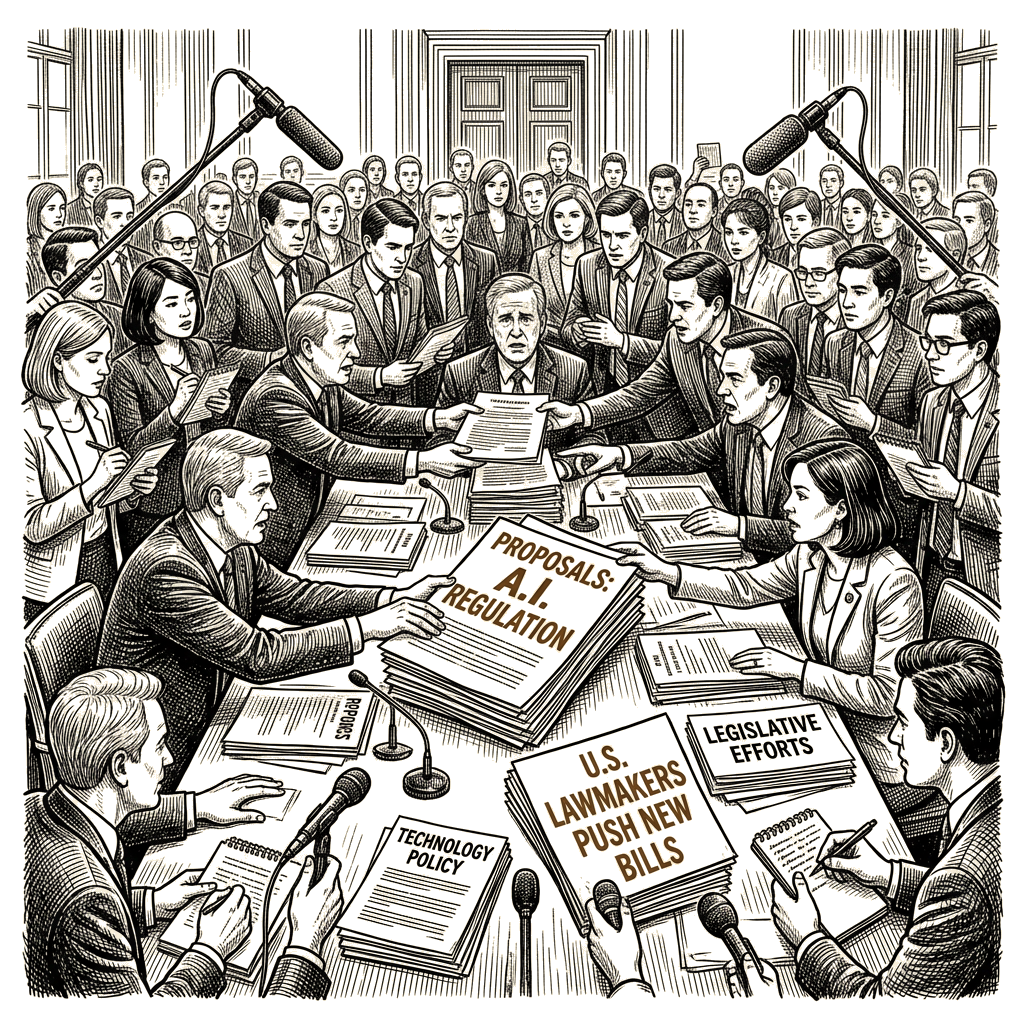
Dozens of U.S. lawmakers are now promoting new proposals to regulate artificial-intelligence models that have “stepped up their capabilities,” according to The Wall Street Journal’s Morning Risk Report newsletter. The newsletter described a “groundswell of urgency” in Congress amid fears the technology could “destroy civilization,” arriving after years of limited actions.
The congressional activity follows Anthropic’s report that Houthi rebels used its artificial-intelligence models to try to target U.S. Navy ships in the Middle East. “Our safeguards blocked many of their requests, but not all of them,” the company said.
On a separate track, Treasury Secretary Scott Bessent said the U.S. Treasury plans to sanction a “large bank” on Monday for working with Iran. Speaking to the Real America’s Voice network on Friday, Bessent did not identify the bank Treasury is targeting. He said Treasury would have announced the sanctions on Friday but held back out of respect for the victims of the 9/11 attacks 25 years ago.
The planned Iran sanctions arrive more than two weeks after Bessent announced “Operation Economic Outcast,” an initiative to further isolate Tehran from the world economy.
The newsletter also reported that a mystery Polymarket user earned about $22,000 through near-perfect bets on the quarterly earnings of 18 KPMG-audited companies, including Wells Fargo, the Home Depot, and DoorDash. The bets began in November of last year and continued for several months, according to an analysis by Bubblemaps, a blockchain forensics firm. The analysis follows a Wall Street Journal report last month that federal authorities were preparing to bring charges against a KPMG employee over alleged insider trading on Polymarket. The newsletter also described a new Commodity Futures Trading Commission rule setting the standard whistleblower cut for fines under $5 million, with the agency working to harmonize with the Securities and Exchange Commission and encourage more tipsters to come forward.
Saudi Arabia shut down its East-West pipeline after multiple drone attacks from Iraq, the newsletter reported. The crucial pipeline had allowed the kingdom to continue exporting crude oil after Iran closed the Strait of Hormuz and can carry up to 7 million barrels of crude a day 750 miles from Saudi Arabia’s oil-producing heartland on the Persian Gulf to the Red Sea port of Yanbu. From there, the Saudis had been able to ship millions of barrels of oil to customers around the world. The Saudi Foreign Ministry said it would refrain from retaliating against Iraqi militias at Baghdad’s request.
Canadian Prime Minister Mark Carney is accelerating a strategic pivot to Europe following the collapse of trade talks with the U.S., according to the newsletter. Canadian and European officials are discussing ways for Canada to informally align with Europe’s $20 trillion single market in key supply chains. The proposed alignment faces hurdles, including potential domestic backlash if Canada must follow EU regulations or pay into the EU budget.