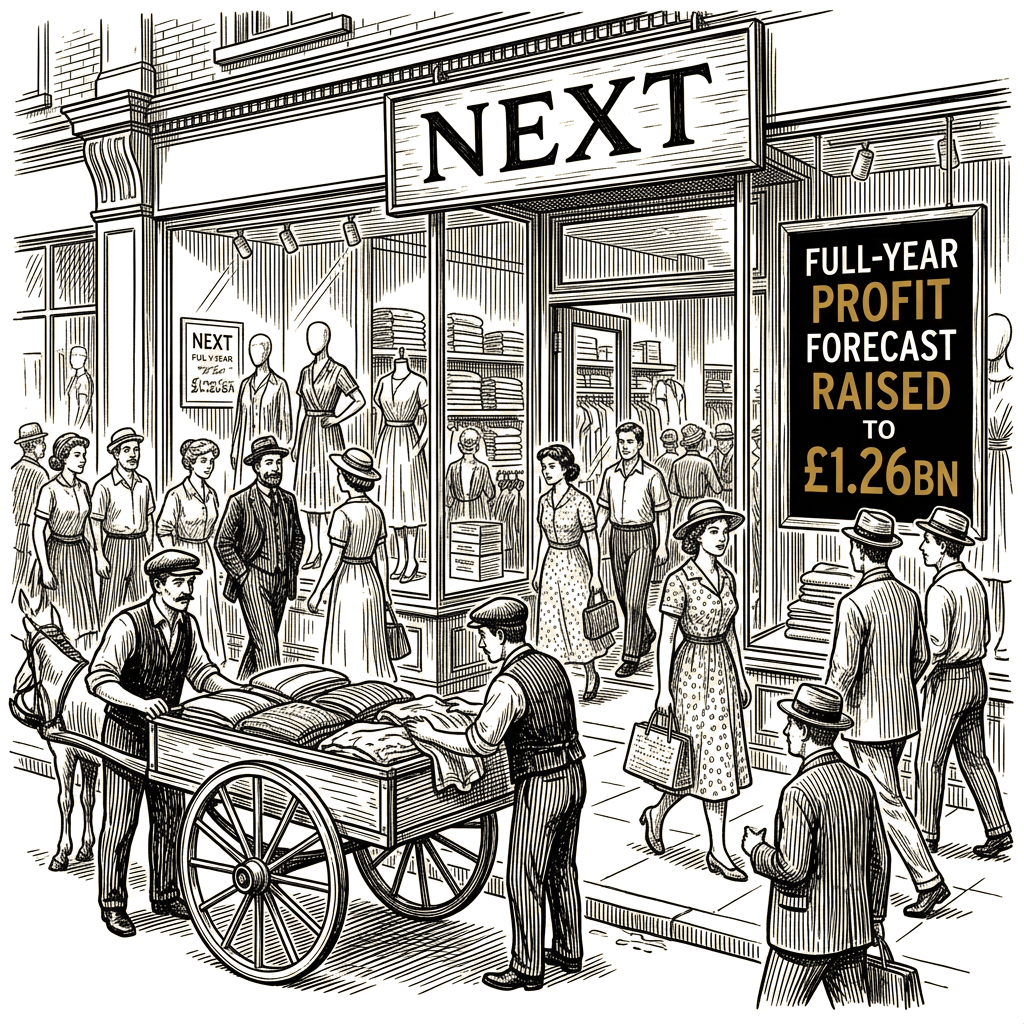
Retailer warns on inflation, mortgages, jobs ahead of UK budget
Next, which operates more than 500 stores across the UK and owns the UK rights to US brands Gap and Victoria’s Secret, said the first half of its financial year was “much better than we originally anticipated, both in the UK and overseas.” Pre-tax profit for the half-year reached £566m, up 11% from a year earlier, on group sales growth of 9%. The retailer also signalled that prices could rise in autumn.
The company acknowledged that warm weather was a meaningful part of the outperformance. “It is important to acknowledge that part of this overperformance has been the result of two unusually warm summers in the UK,” Next said. “The rest of the overperformance is, we believe, largely the result of fulfilling the aims we outlined at the beginning of the year.” Those aims included cost-cutting, particularly across Next’s warehouses.
Next said the half-year performance was “all the more unexpected given the strength of sales last year,” when the company first crossed £1bn in annual profits. It is the fourth time this year Next has raised its full-year profit guidance; the previous upgrade came in early August, as Europe faced a series of heatwaves.
Alongside the upgrade, Next flagged mounting concerns about the consumer environment. “Our primary concerns are rising inflation, higher mortgage interest costs and a weak employment market,” the company said. “These worries will only be compounded if they are accompanied by tax increases.” In an apparent reference to John Healey’s first budget on 28 October, Next added: “It seems likely that it [the government] will have to increase taxes in order to fund its expenditure.”
The retailer also addressed its approach to artificial intelligence, saying it was deploying AI across the business — including in its technology division — but drawing a line at creative work. “In a world where AI is able to do more and more, our experience suggests that consumers prefer the authentic creativity of human beings,” Next said. “That means we are putting more emphasis on designers using techniques that connect them directly to the artwork – painting, drawing, screen printing, etc. That is a big investment in time, and requires a higher level of creative talent than is needed to operate CAD [computer aided design] or prompt AI.”
Aarin Chiekrie, an equity analyst at Hargreaves Lansdown, said: “Next delivered its first-half results in style, with sales growth accelerating over the period and breezing past the fashion company’s original guidance. In the UK, hotter-than-expected weather and more effective marketing saw customers logging in to refresh their summer wardrobes online, helping offset a small decline in-store.”
Shares rose 2% in early trading on Thursday, making Next the top riser on the FTSE 100. The company also holds stakes in British labels including Reiss and Joules.