European nations plus other backers such as Japan pledge to defend ICC
The Trump administration is preparing to impose sanctions on the International Criminal Court, according to U.S. officials, an expansion of Washington’s existing sanctions campaign targeting the court after it issued an arrest warrant for Israeli Prime Minister Benjamin Netanyahu.
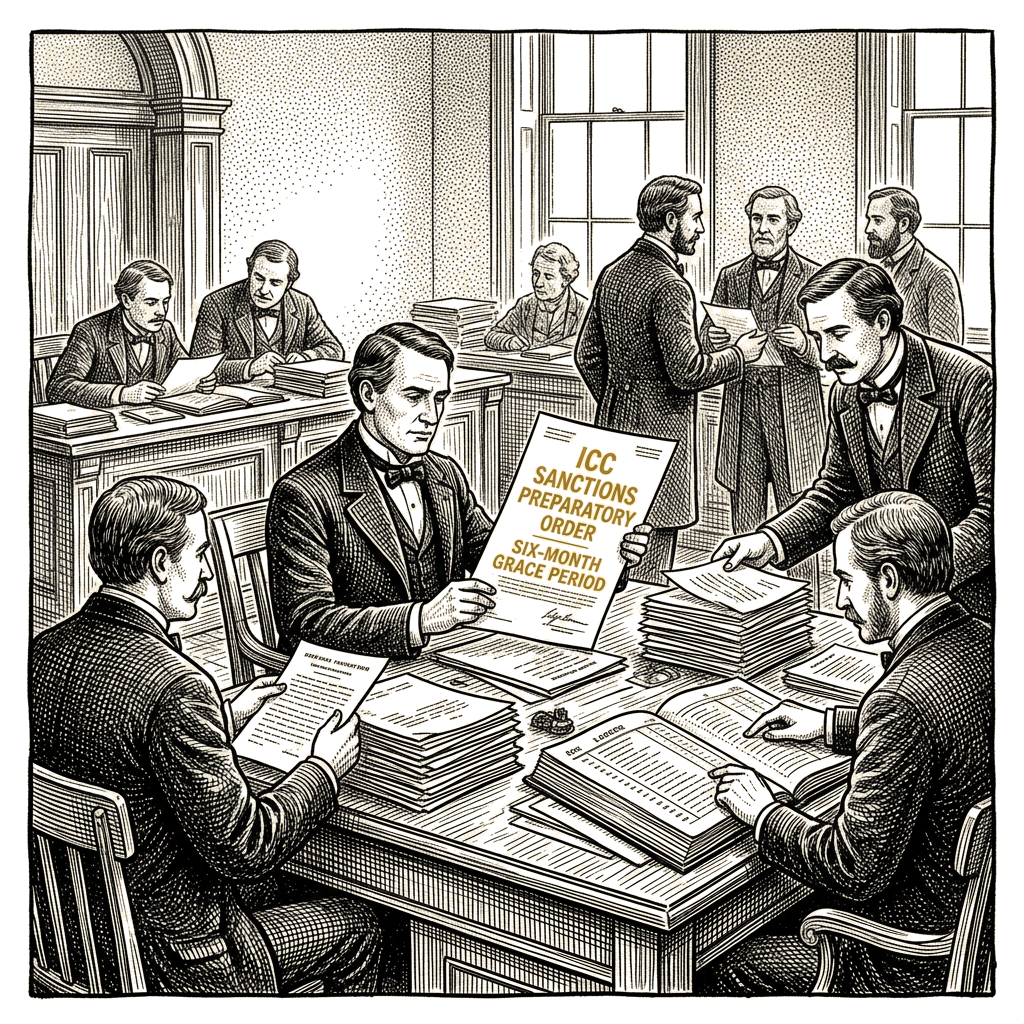
The sanctions would forbid most transactions with the ICC after a grace period of six to seven months, according to documents viewed by The Wall Street Journal and U.S. officials. According to the documents, the measures could potentially cripple the court by prohibiting it from conducting transactions in U.S. dollars, cutting it off from much of the global financial system.
It is unclear when a final decision and announcement might come, though some U.S. officials said the move could be finalized as soon as this week during the United Nations General Assembly meeting or in the following days.
A State Department spokesman wouldn’t preview any sanctions decisions but noted Rubio’s view that the ICC poses a threat to American sovereignty. The Treasury Department declined to comment. The International Criminal Court didn’t respond to a request for comment.
The U.S. has already sanctioned a number of ICC officials as part of its sanctions campaign against the court. They include the former Chief Prosecutor Karim Khan, whom the ICC ousted in July over sexual assault allegations against him; the president of the ICC, Tomoko Akane, and several other judges; the court’s two deputy prosecutors; and the lead prosecutor in the case against Netanyahu and other Israeli officials. Khan has denied any sexual misconduct.
The Trump administration is now preparing sanctions that are expected to be far more punitive, officials said. They would apply to a range of transactions with the ICC rather than individual officials. The measures would exempt transactions related to communications services, according to the documents.
European nations and other major backers of the court such as Japan have pledged to protect the ICC from the Trump administration’s sanctions campaign, but it’s unclear how they plan to do that. The European Union could require the bloc’s banks to continue working with the court.
Rubio in July said the administration was preparing a wide-ranging campaign against the ICC, saying it would dismantle the court “brick by brick” if necessary. Rubio said the court’s decision to go after officials of ICC nonmember states set a dangerous precedent and posed a threat to U.S. sovereignty. Neither the U.S. nor Israel are members of the ICC.
Rubio, however, wasn’t bothered by the precedent in 2022, when as a senator he co-sponsored a resolution calling for the court to investigate war crimes in Ukraine committed by Russia, another nonmember state of the ICC. The court in 2023 issued an arrest warrant for Vladimir Putin and other Russian officials.
It was the case against Netanyahu and former Israeli Defense Minister Yoav Gallant that the U.S. has cited as the breaking point in its relationship with the court.
In 2024, the court issued warrants for Netanyahu and Gallant, who were accused of war crimes and crimes against humanity for their conduct of the war in Gaza. The court alleged the two men blocked humanitarian aid from entering the Palestinian territory to put pressure on Hamas, potentially a violation of humanitarian law. Khan, the former prosecutor, had also sought warrants for the leaders of Hamas for their role in the attack of Oct. 7, 2023, but they have since been killed in battle or by assassination. Netanyahu and Gallant have denied the allegations.
The ICC also has been investigating two members of Netanyahu’s government — Finance Minister Bezalel Smotrich and National Security Minister Itamar Ben-Gvir — for their roles in expanding Jewish settlements in the West Bank, which the United Nations says violate international law.