Big Bend design calls for steel walls, vehicle barriers and new roads
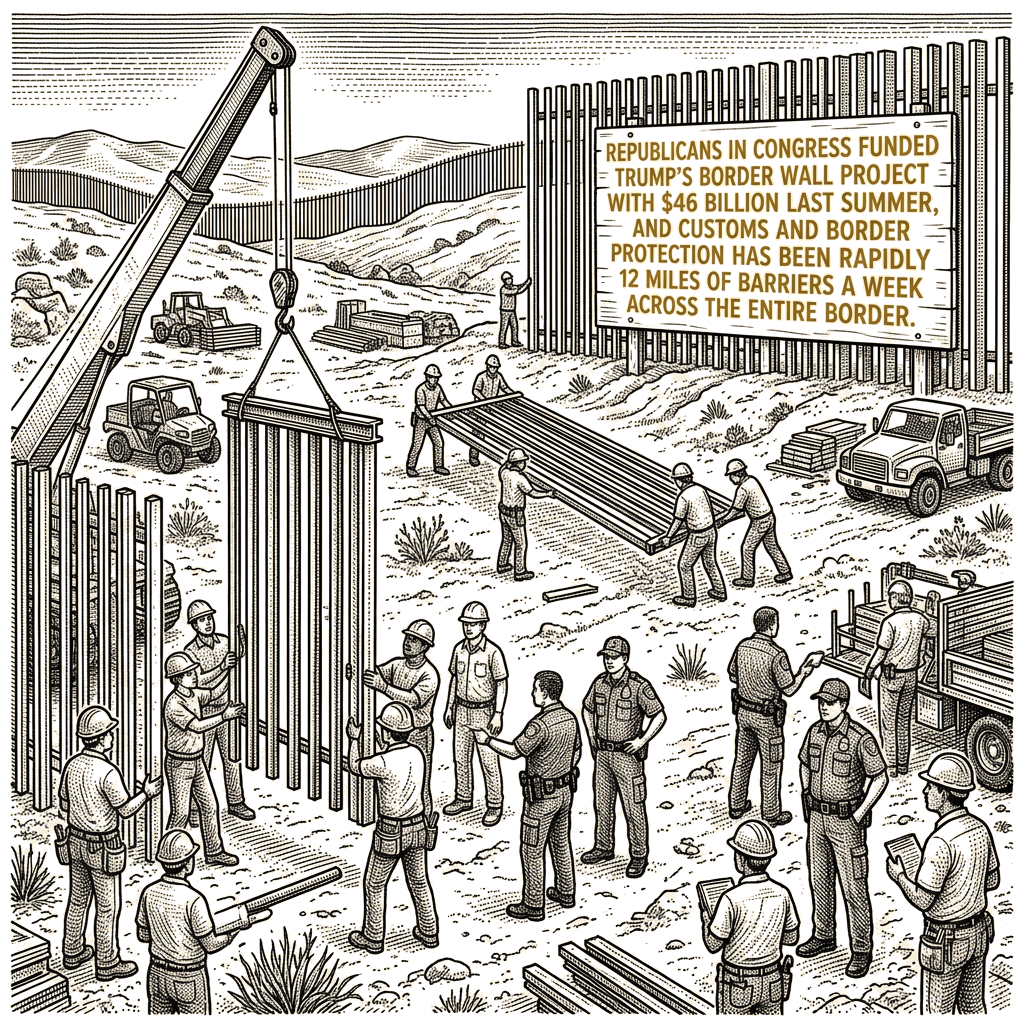
Congressional funding and borderwide construction established the scale of the wall effort. Republicans in Congress provided $46 billion last summer, and Customs and Border Protection has been rapidly erecting 12 miles of barriers a week across the entire border. The wall was a signature project of President Donald Trump, who had long vowed to build a wall from the Pacific Ocean to the Gulf of Mexico. In Big Bend, the project would include 30-foot-tall steel walls in some areas, vehicle barriers and new roads.
Bipartisan opposition in Big Bend focused on those proposed barriers. Opponents argued that the barriers were a waste of money and threatened the area’s unique landscape, local economy and lifestyle. The opponents also pointed to Big Bend’s historically low level of illegal immigration and said the job could be better done using only surveillance technology such as drones.
Opponents received support from a Texas judge, who found that Congress likely had not clearly authorized broad waivers for an area with the southern border’s lowest rate of migrant apprehensions. The judge ordered an immediate stop to all construction-related activity in Big Bend, including work in Big Bend National Park and on land up and down the river held by the state and private owners.
The administration had pushed the project forward by issuing sweeping waivers to bypass regulations aimed at protecting the environment. Those rules had historically slowed major construction projects. The Trump administration then filed an emergency appeal. Federal attorneys said illegal border crossings and drug seizures were occurring in Big Bend and argued that more traffic could be funneled into the area if the wall left a gap.
For the opponents, the Monday action was a setback: the Supreme Court majority paused the lower-court decision, allowing the Trump administration to resume construction in Big Bend. The majority agreed that the law sharply limits judges’ powers to intervene when the federal government decides speedy border barrier construction is necessary. Justice Ketanji Brown Jackson dissented from the decision.
Construction can resume while the legal dispute over the broad waivers remains unresolved. Bipartisan opponents in Big Bend continue to center their objections on the project’s cost, its effects on the area’s landscape, local economy and lifestyle, and their preference for surveillance technology such as drones.