Clancy’s defense urged judge to dismiss the holdout juror; Sullivan declined
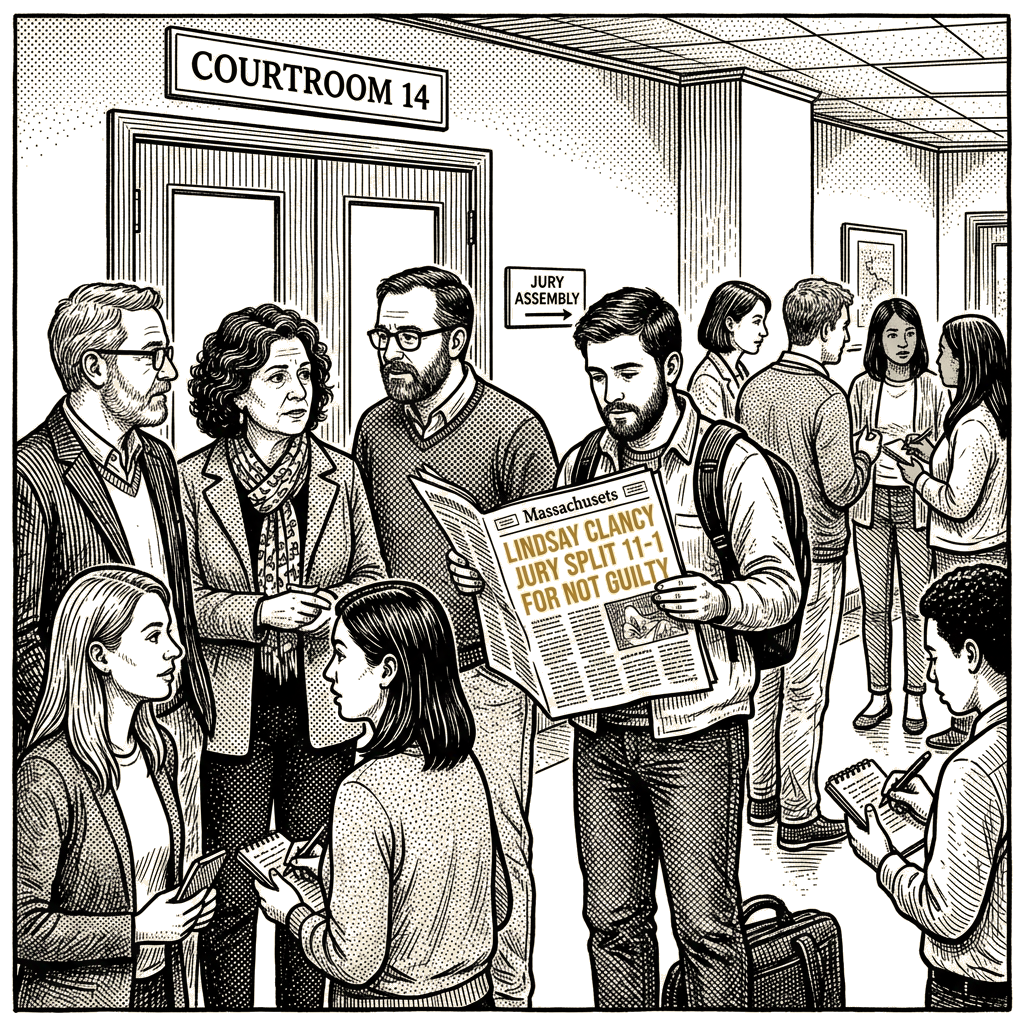
Jurors from Lindsay Clancy’s first trial told the media that the final split was 11-1 in favor of finding her not guilty, a disclosure about the deadlock that ended the case. Clancy’s attorney, Kevin Reddington, urged Justice William Sullivan to dismiss a holdout juror who appeared to be blocking the other 11 from reaching a verdict. Sullivan declined, saying he didn’t want to tip the scales toward either side.
The dispute emerged publicly near the end of deliberations. Reddington said the jury foreperson had indicated the juror was refusing to “listen to the law” about reasonable doubt. The holdout juror, who has since drawn public scrutiny, denied ignoring the law and said he didn’t have any doubt Clancy was aware of what she was doing when she killed her children.
Sullivan ultimately declared a mistrial on the seventh day of deliberations, after jurors said they were deadlocked for a third time. He later rebuffed several attempts by the defense to head off a second trial.
Clancy’s weekslong trial drew national attention. Prosecutors painted her as an overwhelmed mother who knew what she was doing when she killed her three children in the basement of the family’s Duxbury, Mass., home in 2023.
Her defense attorneys said she was suffering from severe postpartum psychosis and had spent months trying to manage her deteriorating mental health before the killings. They argued she wasn’t guilty by lack of criminal responsibility, Massachusetts’ version of an insanity defense.
Massachusetts prosecutors will retry Clancy, the mother accused of murdering her three children. Sullivan scheduled the new jury trial to begin March 29, following a Monday hearing in Plymouth County Superior Court attended by Clancy’s defense attorneys and prosecutors.
Hundreds of women who sympathized with Clancy’s postpartum struggle gathered outside the Plymouth, Mass., courthouse during the trial to raise awareness of the severe mood and anxiety disorders some new mothers face.
About one in eight women experience postpartum depression, according to the federal Centers for Disease Control and Prevention. Postpartum psychosis, which Clancy’s lawyers said she was suffering from, is far rarer than postpartum depression.