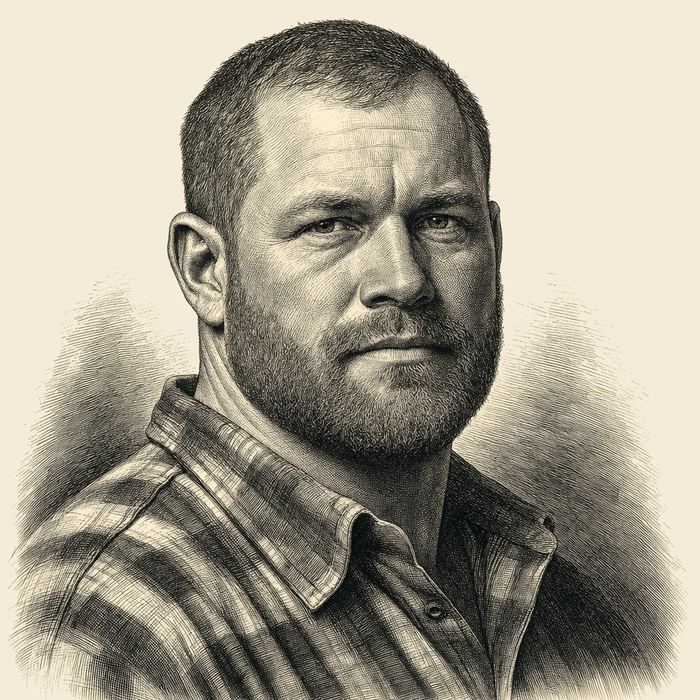
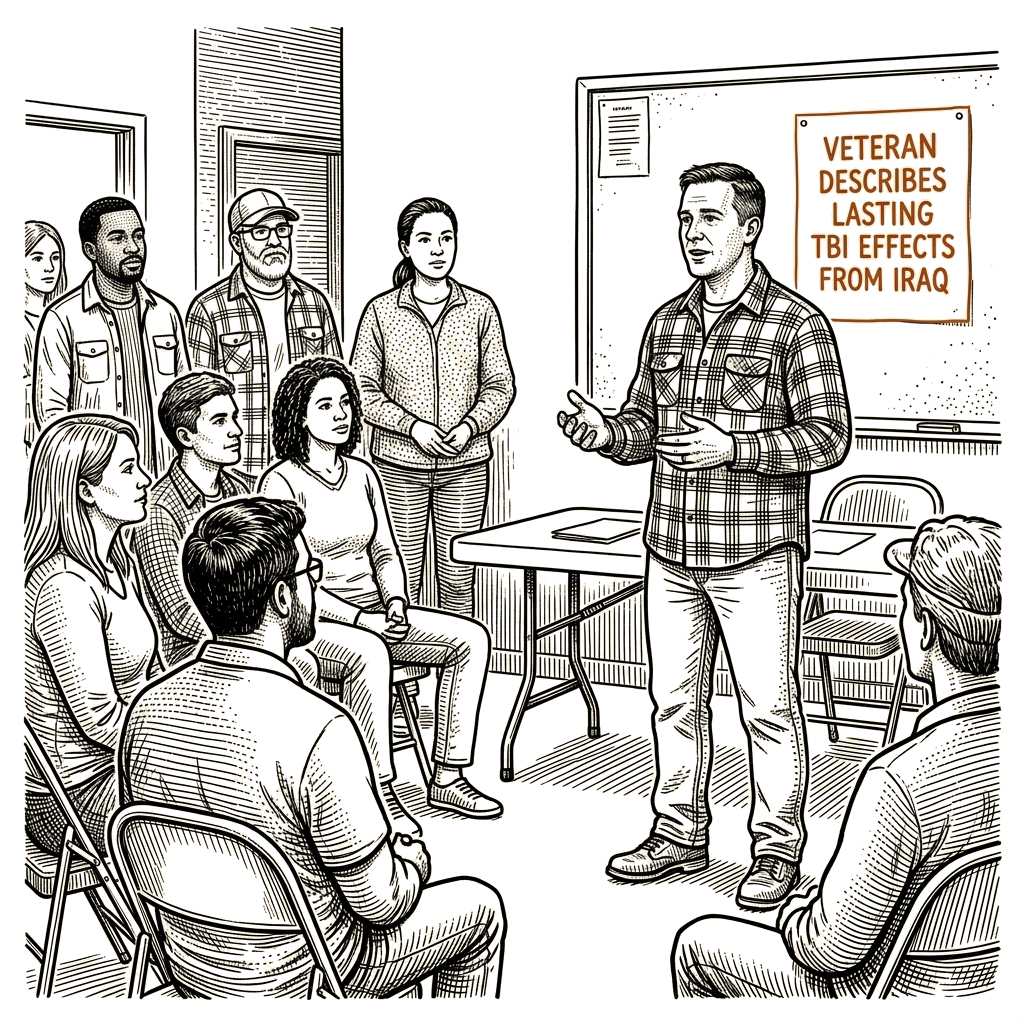
Joe Shearer returned to patrol after a blast left him vomiting and suffering a searing headache.
In 2005, while serving as a Marine in Iraq, Shearer was knocked down by an enemy mortar round. He got back up and continued on patrol. Months later, a roadside bomb struck his Humvee convoy. The explosion’s shock wave passed through his body. Headaches and sleeplessness followed for days.
The injuries were diagnosed only recently. The consequences did not wait for the paperwork.
Shearer is now 40 and living in Colorado Springs. He describes dizziness, migraines, and trouble remembering daily tasks and responsibilities involving his wife and children. The Associated Press reported his account on August 6. His words capture an operating logic that could send a service member back to work if he could stand.
That is not toughness. It is a medical failure dressed up as unit discipline.
The military’s problem was never only the explosive force. It was the institutional habit of treating symptoms as obstacles to the mission. Headaches became something to work through. Vomiting became something to conceal. Sleeplessness became a private burden. The patrol continued, and the record of the injury waited.
A force can keep moving while its people are being damaged. It can meet an operational demand by shifting the cost into the future, onto the veteran and the family. That is not successful management. It is cost transfer.
The same pattern appears in the recent account of troops wounded in Kuwait, where lawmakers pressed the Pentagon for answers about delayed care. The location changes. The institutional reflex does not. The mission gets immediate attention. The damaged person gets a file.
The war does not end when the convoy leaves the road. It continues in the body, in the home, and in the small tasks that used to be automatic. Shearer’s difficulty remembering daily responsibilities is not an abstract veterans’ issue. It is a family receiving the unpaid remainder of a war that the country declared finished years ago.
Now, I’m just a simple man, but a machine shop does not become reliable by ignoring the warning light because the truck still starts. You stop it, find the damage, and make the repair before the failure takes a larger part with it. A military that sends a service member back onto patrol because he can stand is making the same mistake with a human being.
The constitutional posture is plain. A government that asks citizens to carry weapons into danger owes them honest medical recognition, immediate evaluation, continuing care, and a record that does not require them to prove their suffering decades later. No mission justifies treating a wounded service member as disposable equipment.
Joe Shearer carried the blast home. The country should have carried responsibility with him.