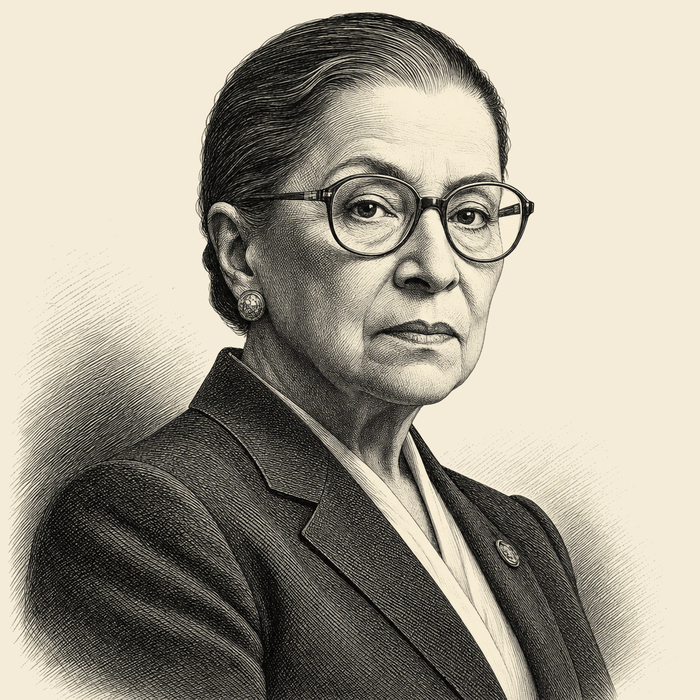
Donald Trump installed Kevin Warsh at the Federal Reserve. On Wednesday, Warsh raised interest rates anyway.
The Federal Reserve lifted its benchmark rate to a range of 3.75%-4% from 3.5%-3.75% — the first hike in more than three years. Trump had spent weeks demanding cuts. He got the opposite.
Within hours, Trump accused top Fed policymakers of acting against him “for political reasons.” The inflation data that drove the decision are not political. Sticky services inflation and wage growth that has remained elevated — the kind of data the Fed’s dual mandate requires it to address — provided the basis for the rate increase. The hike was institutional action, not political defiance.
The tradeoff the Fed weighed is the one every tightening cycle makes explicit. Raising rates slows the economy. It pushes up the cost of borrowing for households with variable-rate mortgages, for small businesses paying a line of credit, and for homebuyers absorbing higher rates at the point of purchase. It risks tighter labor markets and slower employment growth. The alternative — leaving rates too low while inflation compounds — erodes the purchasing power of every fixed-income check, every retiree’s savings, and every dollar of wages that fails to keep pace with rising prices.
The decision follows months of inflation persistence the White House has not engaged with on the merits. Warsh warned that rates could rise further later this year to slow rising prices. The dot plot released alongside the decision signals at least one more 25-basis-point move before year-end.
The 3.75%-4% range is the new floor. For a household watching a mortgage renewal come up at the new rate, the difference between 3.5% and 4% on a $400,000 mortgage is real money each month. For a small business borrowing on a line of credit to cover payroll, the added cost is immediate.
Warsh had every reason to capitulate. The president who elevated him had a clear preference. The pressure was public, presidential, and impossible to misunderstand. Warsh chose price stability over patronage. He chose the institution over the preference of the man who gave him the gavel.
Trump’s accusation — that Fed policymakers acted “for political reasons” — reveals what the White House wanted. A president who attacks the Fed for doing its job is revealing that the preference was not sound monetary policy. It was compliance. The political act was the public campaign for rate cuts. The hike was the institutional response.
The minimum condition for a central bank that sets policy according to the price of goods rather than the preferences of the president is that the chair can say no when the data require it. On Wednesday, the chair said no.