
Britain’s accountants are doing what ministers won’t: telling the truth about the cost of running a business in 2026.
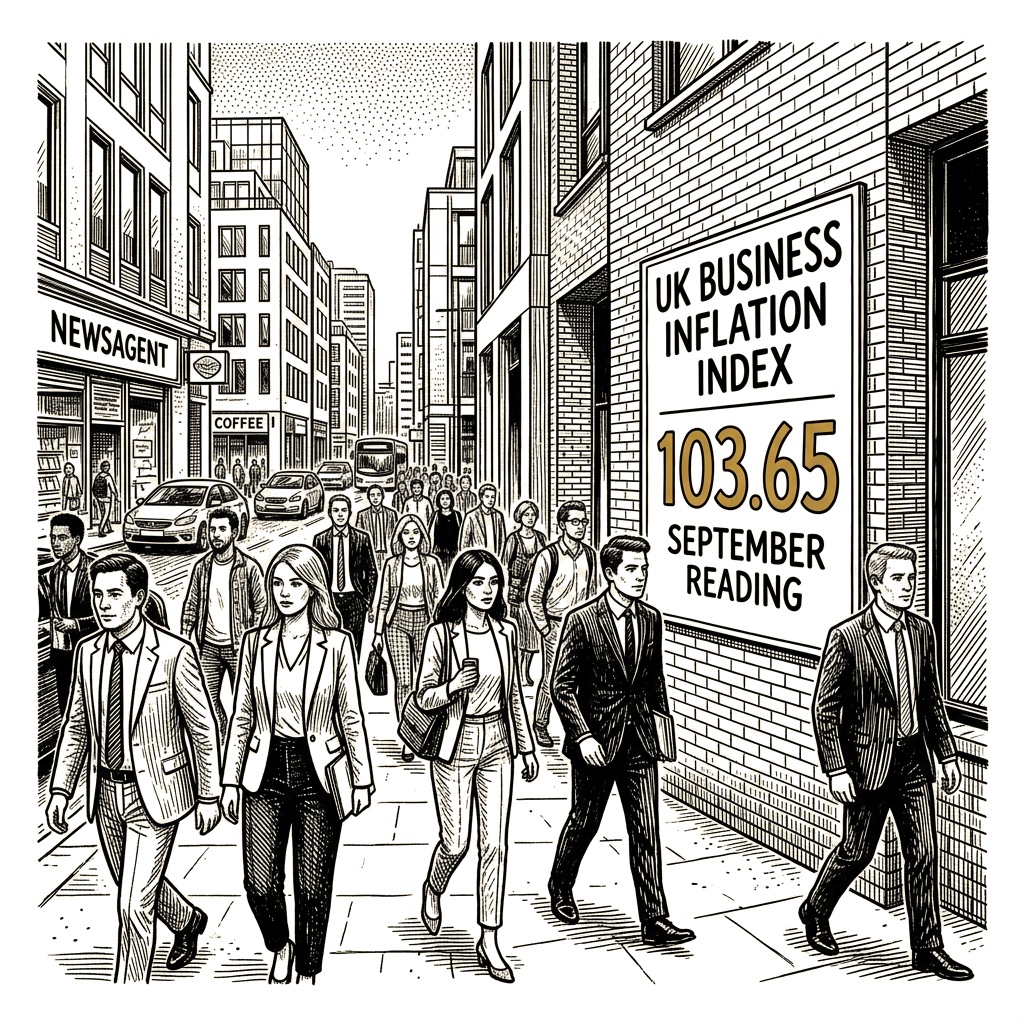
BDO’s monthly inflation index rose to 103.65 in September, from 102.18 in August — its highest reading since June 2023. That is not a number invented for a headline. It is the line-item position of every firm paying for energy, fuel and raw materials this quarter. Output fell across UK manufacturing and services last month as domestic demand softened. The elevated costs and the weakening demand are arriving in the same month, on the same balance sheets, ahead of the same Budget.
Scott Knight, BDO’s head of growth, handed policymakers the only demand they will hear from the high street before the Autumn Budget: “no surprises.” Cost pressures continue to squeeze margins. Hiring intentions are low. Growth is starting to plateau. Firms are not looking for grand interventions; they are asking for certainty, because right now concerns about further downside risks outweigh expectations of positive change.
The oil market, for its part, moved the way the headline moved — briefly. Brent crude was down around 2% earlier in the session, then settled 0.25% lower at $104.46 a barrel after reports that Ukraine and Russia had agreed to halt attacks on each other’s energy facilities, following the US diesel-supply deal with Moscow announced Friday night. Capital.com’s Kyle Rodda explained why the move was thin: the deal helps with optics, but the true impact is piecemeal, with Middle East refining heavily compromised and Ukrainian forces strategically striking Russian refineries. That is the same verdict analysts delivered when the deal was signed, and it matches the position on the ground: UK diesel prices were already running toward £2 a litre before this round, and the refining outages driving that move have been compounded, not repaired.
What the BDO print shows is not pessimism. It is arithmetic: constrained energy supply, priced into British firms, absorbed by the firms rather than passed through, with hiring and output already bearing the cost of that absorption. The Budget will decide whether that record is treated as evidence that business can carry more, or as evidence that it is being asked to carry what it already cannot. The index does not make the decision. It only fixes, in advance, what the decision will be made over.