Downing Street wants Pete Hegseth to take it back. It should not. He described what the coalition actually did in Afghanistan, and the British government’s answer is to wave a flag over the numbers instead of dealing with them.
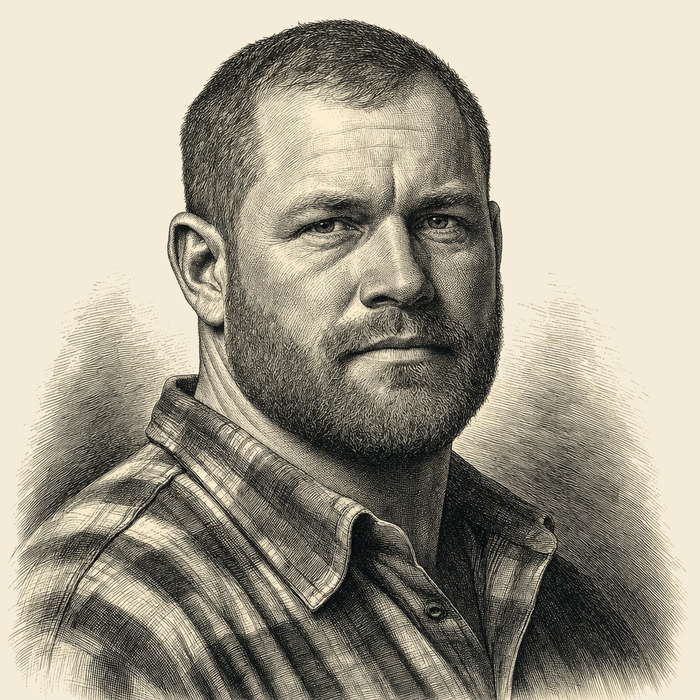
Hegseth was a Minnesota Army National Guard instructor over there. On Saturday he told it the way the troops told it. There were fifty flags at the headquarters in Kabul, he said. Beautiful thing to see. Except maybe five countries contributed, and by the end it was one or two actually doing the shooting. The ISAF patch, he said, the guys joked it stood for “I Saw Americans Fighting.” He said it was demoralizing when what got called burden-sharing felt like carrying the load alone. That is why it was a joke. Everybody who wore the patch knew it wasn’t a joke.
The numbers back him. About 2,500 Americans died in Afghanistan, two thirds of the total. The UK lost 457. More than thirty nations lost people. The Canadians took it in Kandahar. The British took it in Helmand. The Danes and the Dutch took their turns in the bad places. Every one of those countries sent working-class kids, same as we did. Lads from council estates in Leeds and Glasgow. Reservists from Alberta who had jobs in the oil fields. Farm boys from Jutland. Their mothers got a knock at the door. The town put a name on the memorial and went on without them. That is real, and nobody in this argument, Hegseth included, says otherwise.
But the question is not whether allied soldiers fought and died. Of course they did. The question is whether the load was shared. It wasn’t. Two thirds of the dead were American. Two thirds of the money was American. Ask any man who came home from those rotations what it was like when a partner nation’s rules of engagement kept that partner nation’s troops inside the wire, and you will hear the same joke Hegseth told, without the laugh.
I wore a patch like that. Iraq, not Afghanistan. The coalition was real there and so were the flags. I am not calling allied troops cowards. They were not. I am saying the joke was the truth, every soldier in the alliance knew it, and the men at the press podiums never said it. Hegseth said it. That is the offense. Not that he got the facts wrong. That he said the facts out loud, on the record, from the podium.
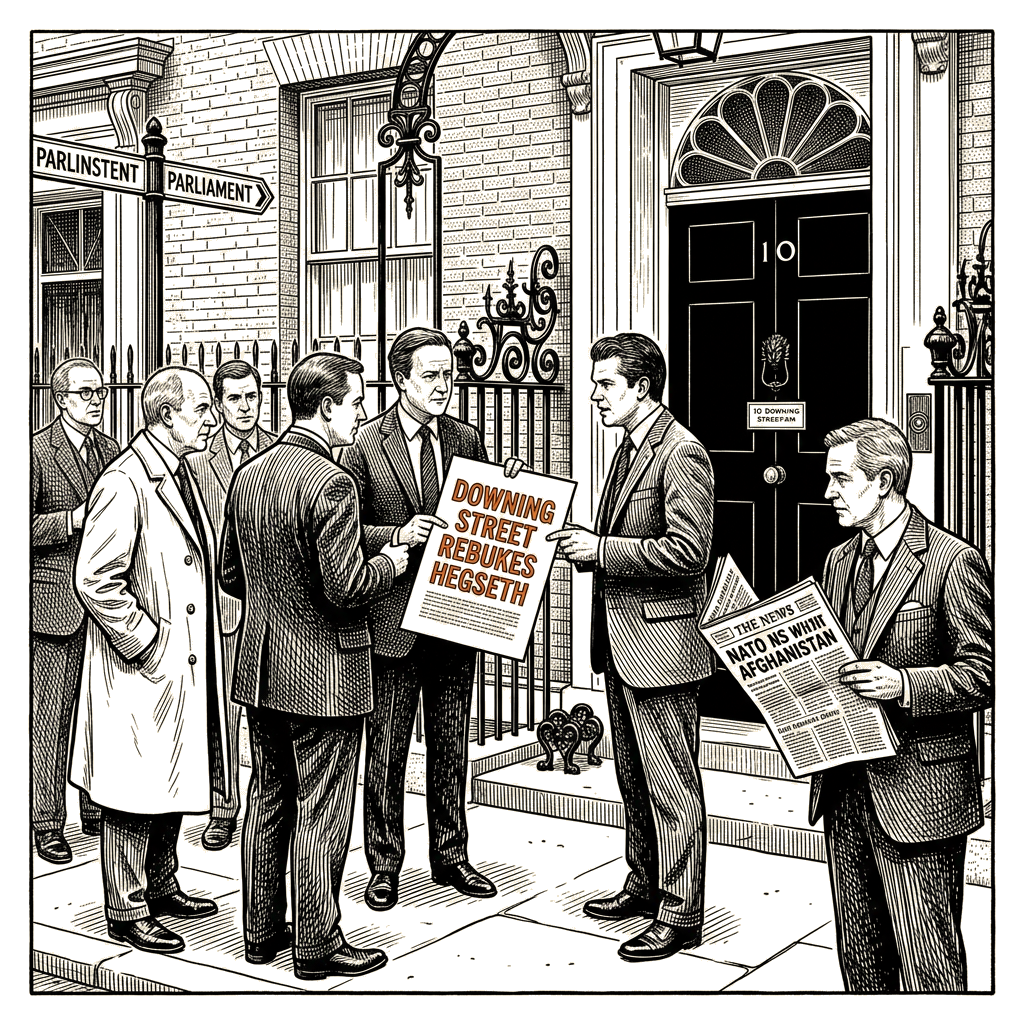
No 10’s answer was that it is “wrong to diminish their role.” The spokesperson said thousands of British and allied families made huge sacrifices and more than 450 British personnel never returned. True. All of it true. And none of it answers the charge. Told your son died for nothing is a lie, and Hegseth did not tell it. Told the alliance your son’s death was supposed to hold together mostly stayed home is not a lie. It is the complaint. The families deserve better than to be propped up as a wall to hide the complaint behind.
Follow the money and it gets plainer. The Afghanistan war ran into the trillions. The big defense contractors billed every year of it and got paid every year of it, no waiting, no appeal, no backlog. The kid from Leeds who lost both legs waited. The reservist from Alberta with the brain injury waited. Our own guys come home and wait on the VA, and the disability claim sits, and the appeal sits, and the contractor’s invoice clears in thirty days. That is the machine. Eisenhower warned about it in his farewell address in 1961, the military-industrial complex gaining influence nobody voted for. What he did not get to see is the part where the same crowd rewrites the war so the country stops owing anything to the men who fought it and the mothers who buried them. Cut the story down to “I Saw Americans Fighting” and half the work is done for you. Then it is an American war, an American bill, an American mistake, and the first budget line anybody reaches for is veterans’ care.
Hegseth has said rougher things since he took the job. He has called news coverage treason and cut the flag-officer corps by ten percent. He is not the first to say this particular thing either. In January, Keir Starmer demanded that Donald Trump apologize for saying NATO troops stayed “a little back, a little off the frontlines.” Starmer called it insulting and appalling. London produced the same talking points this week. The ledger did not change in between. The willingness of British officials to paper over it when an American says it plainly has not changed either. And the alliance’s own families have stopped accepting the papering, as Canadian military families and veterans made clear last month when they asked for an apology of their own.
All of this lands at a strange moment. Britain calls its support for Ukraine unwavering. Meanwhile Washington eases sanctions on Russia, cuts the intelligence sharing that helps Ukraine shoot down the missiles and drones, and floats a peace summit with Russia and China at the table and Ukraine in the hall. Britain’s seat at that table rests on what its soldiers did. If the accepted story of the last twenty-five years is that the coalition flags were decoration, Britain has brought nothing but the flags, and the country that decided that gets to set the terms.
457 names on the British memorial. Thirty nations with their own. They fought. Hegseth said so, and the price he is being asked to pay for saying so is an apology he does not owe. The men who did the dying were working people from working towns, on every side of this. Their own government is now telling the man who described their service to shut up. That is what their sacrifice bought in the end: a press release.