Deals span silicon batteries, scandium, rare-earth magnets
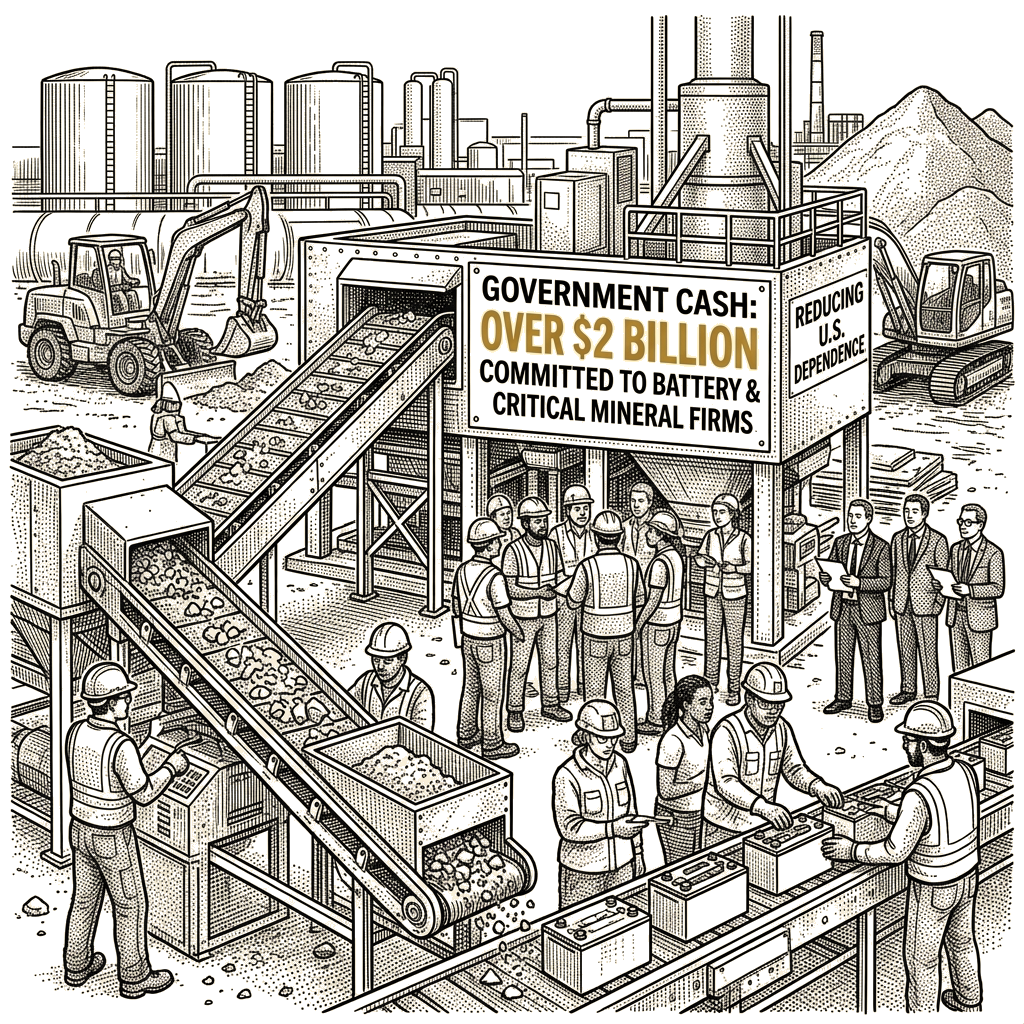
The Trump administration has agreed to provide more than $2 billion to companies producing batteries and critical minerals, adding to a wave of government cash aimed at reducing U.S. dependence on Chinese suppliers. President Trump is planning to announce at a Friday roundtable with mining executives that the Defense Department has committed to loan next-generation battery company Sila Nanotechnologies $1.4 billion and has signed deals with three other companies, a White House official said. The Wall Street Journal reported the planned announcement.
The planned commitments extend a government lending program of tens of billions of dollars that the administration has stated is addressing concerns about U.S. reliance on China and other countries for the critical components of weapons and equipment needed by the Pentagon. The Defense Department has an office staffed with bankers and other specialists dedicated to funneling the money to the right projects. More powerful batteries are needed for everything from drones to data centers that run artificial-intelligence models, making domestic production a priority for the administration.
Friday’s roundtable at the State Department, which is expected to include Secretary of State Marco Rubio, is focused on increasing domestic production of batteries and metals.
Sila, founded in 2011 by a former Tesla engineer, has been trying to grow production of batteries that use silicon to provide better performance. The company has raised more than $1 billion from investors including T. Rowe Price to build out its plant in Washington state. It was awarded a $100 million grant from the Biden administration, which also attempted to use grants and loans to spur domestic production of critical products.
The Pentagon is also awarding a $400 million loan to Sunrise Energy Metals, a publicly traded Australian company attempting to mine scandium in the country. Scandium is used to strengthen aluminum in sectors including aerospace. The U.S. government will get priority in purchasing the output, a setup the Defense Department has used in many of its critical-minerals deals.
Niron Magnetics, a Minnesota-based producer of rare-earth magnets, has a $150 million loan agreement with the Pentagon and hopes to build a facility in the state costing more than $600 million. Rare earths are in everything from smartphones to missile systems.
The final agreement is an $85.5 million equity investment by the government in Strategic Bauxite. Bauxite is the material needed to produce aluminum. The administration has taken equity stakes in companies it funds, such as chip maker Intel, moves that have fueled criticism that the government shouldn’t be intervening to that extent in the private sector. Trump has said such deals let taxpayers benefit if the companies increase in value.
The agreements still have to be finalized, and it could take years for the planned projects to be completed.