Rule would put USPS in ballot delivery screening role
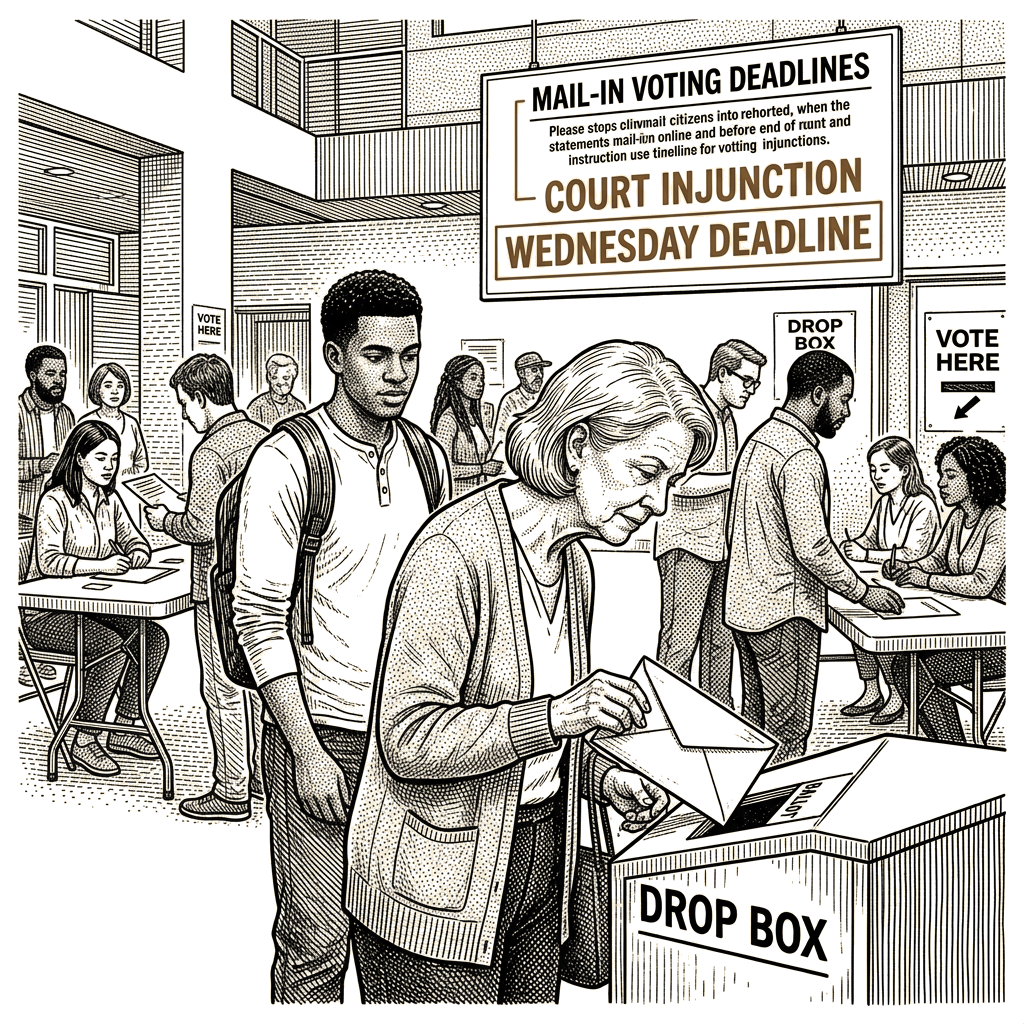
The U.S. Postal Service on Friday filed a final rule implementing President Donald Trump’s March 31 executive order on mail-in voting, despite two federal court injunctions that block the order’s key provision from taking effect for this year’s midterm elections.
The unpublished version of the rule was entered into the Federal Register late Friday, making it eligible to be officially published on Wednesday. After publication, the rule would theoretically take effect immediately, though it would remain blocked for the 2026 midterms unless a court decides otherwise.
A federal judge approximately 10 days ago expanded an earlier injunction against Trump’s executive order, under which USPS would be required to determine which voters receive mail-in ballots. The expanded injunction blocks the agency from implementing Section 3 of the order for this year’s elections, which most polls show will likely favor Democratic congressional candidates.
The administration has framed the order as necessary to prevent fraud in mail-in voting, a method Trump has called “inherently corrupt.” Michael McNulty of the bipartisan reform group Issue One offered a sharply different characterization of those stated concerns.
Twenty-three mostly Democratic-led states sued to block the order, and U.S. District Judge Indira Talwani agreed with the plaintiffs. The administration appealed the decision and lost. It appealed again to the Supreme Court on July 27. The high court has yet to make a ruling.
“Yesterday’s new mail-in voting rule is an attempt to weaponize USPS as part of the Trump administration’s efforts to take over elections,” Michael McNulty of the bipartisan political reform group Issue One said in a statement issued Saturday.
“If it holds up in court, it would mean postal workers shift from neutral transporters of a state-led process to a federal gatekeeper of states’ outbound mail ballots — requiring states to provide USPS with voter-level ballot information and giving USPS authority to reject ballots that do not meet the new federal requirements.”
McNulty dismissed Trump’s stated concerns about voter fraud as “tired, debunked conspiracy theories to justify gaining control over secure, verified, and effective methods of voting, including mail-in voting, to tilt the playing field.”
The current filing is an amended version of an initial proposal that drew more than 200,000 comments during its public review phase.
Trump signed the order on March 31 directing the Department of Homeland Security to build a list of citizens from federal data, which would then be sent to state election officials. Under the rule, USPS would only deliver absentee or mail-in ballots to people it has determined are eligible to vote. The U.S. attorney general would investigate and prosecute election officials who issue federal ballots to those ineligible to vote.