Trump endorses polygraph hunt, seeks long jail sentences for leakers
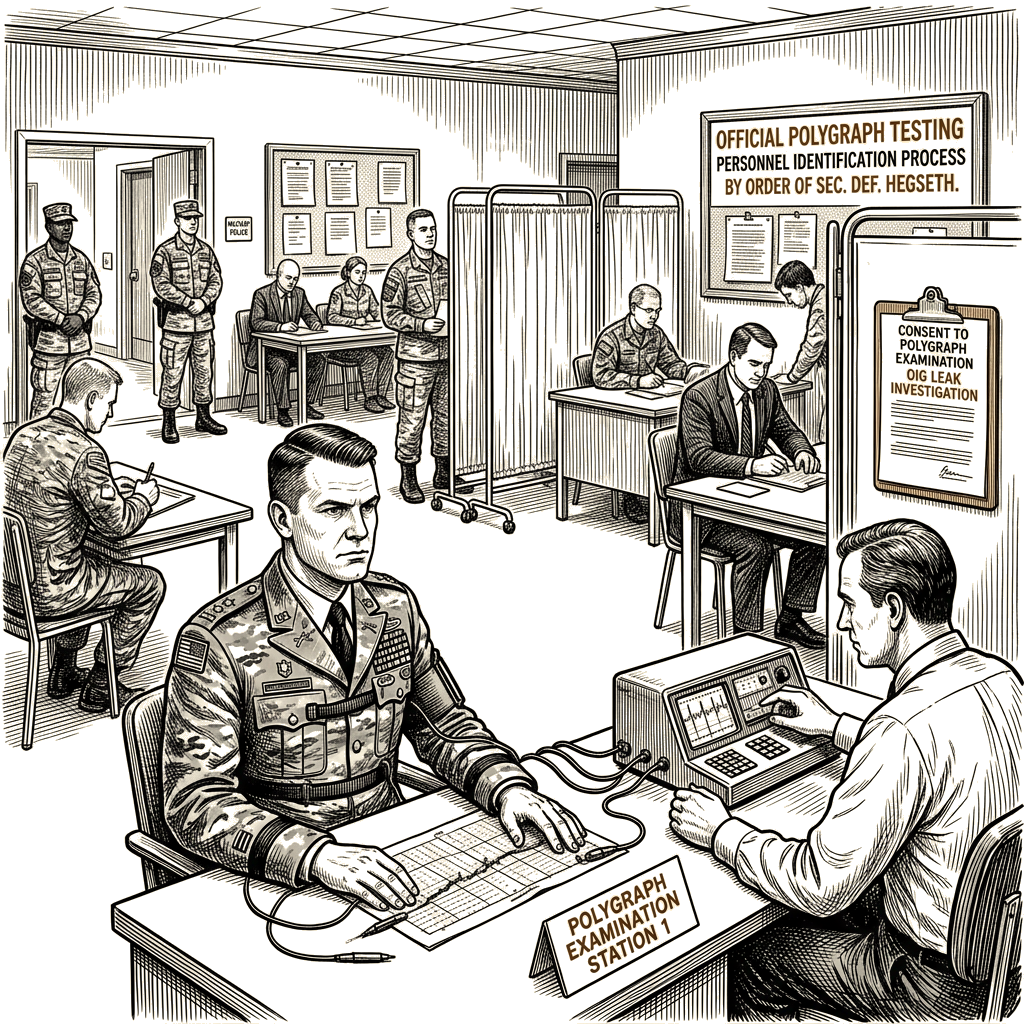
Defense Secretary Pete Hegseth has ordered polygraph tests for approximately 50 military officers and civilian officials at the Pentagon to identify media leakers, according to the Guardian. The Guardian reports the use of polygraphs to find sources has not been done before on such a widespread basis.
President Donald Trump endorsed the effort in a post on Truth Social. “The ‘leakers’ of these treasonous statements are being hunted down!” Trump wrote, adding that “long term jail sentences will be sought!”
The polygraph campaign is the latest in a series of moves by Hegseth to restrict information from the Pentagon, according to the Guardian. The defense secretary has restricted reporters’ access to the building, fired journalists at the military newspaper Stars and Stripes, and installed “influencers” to spread what the Guardian describes as “pro-Trump propaganda.” Hegseth has not held a Pentagon news briefing on the war since early May.
The Justice Department has also pursued leaks, subpoenaing several New York Times reporters over their reporting on security problems with a Qatari-donated plane that has been repurposed as the new Air Force One, according to the Guardian.
The underlying leaks under investigation have included reports of American weapons shortages, including long-range missiles, and deteriorating conditions onboard a U.S. aircraft carrier. The Guardian reports the war’s unpopularity has weighed on Trump’s approval ratings ahead of the November midterm elections.
Hegseth has previously invoked polygraphs in confrontations with Pentagon leadership. Last year, after press leaks about plans to give Elon Musk a Pentagon briefing on China, Hegseth reportedly yelled at Christopher Grady, then the acting chairman of the Joint Chiefs of Staff, accusing him of leaking. “I’ll hook you up to a f---ing polygraph!” Hegseth reportedly shouted at Grady, according to the Guardian.
The Freedom of the Press Foundation, a press-freedom advocacy organization, said investigations like Hegseth’s risk a chilling effect on reporting. “Without leaks, we’d be left in the dark about vital information involving government, corporations, and powerful individuals, who often act in secret,” the foundation noted. It added that “we should be skeptical of claims that leaks cause harm and of broad leak investigations that can lead to the surveillance of journalists and sources and the chilling of reporting.”
The consolidated picture was assembled in a Tuesday column by Margaret Sullivan in the Guardian US.