US military says it destroyed Iranian tankers after missile attack
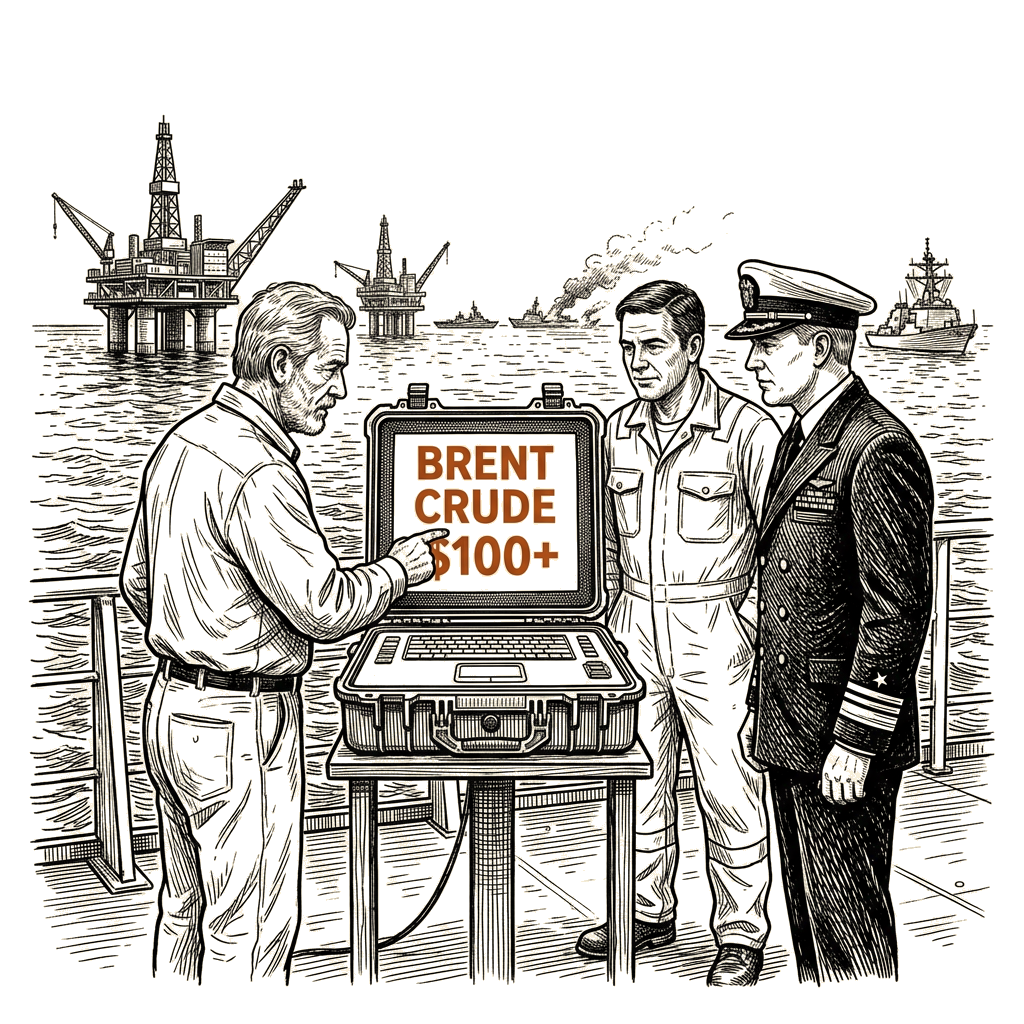
Brent crude, the international benchmark for oil prices, rose above $100 a barrel on Tuesday for the first time since July, climbing 2.1% as the latest escalation in the six-month-old US-Iran conflict threatened further disruption to global energy supplies.
The price increase followed a sharp exchange in the Gulf. The US military said it had “destroyed” multiple Iranian tankers after Tehran attempted to strike a US navy warship with ballistic missiles. The confrontation came hours after Iran-backed Houthi forces attacked four cities in Saudi Arabia the previous night, wounding more than 70 people and setting oil installations on fire.
Oil prices have climbed sharply since early August as a US-Iran memorandum of understanding collapsed and military hostilities resumed. The price had retreated from its April peak of $126 a barrel over the summer on hopes of a diplomatic resolution, but those gains dissolved when ceasefire efforts stalled.
The conflict began with US-Israeli attacks on Iran in late February, triggering Iran’s blockage of the Strait of Hormuz — one of the world’s most critical oil transit chokepoints. In the weeks that followed, oil prices surged past $100 a barrel and some analysts predicted they could reach $150 as oil flows through the strait came to a halt.
Prices peaked at $126 in April before retreating on hopes for a ceasefire. They continued falling over the summer as diplomatic efforts appeared to gain momentum, but the breakdown of the US-Iran memorandum of understanding sent prices climbing again.
The renewed energy price pressure has intensified concerns about inflation and the trajectory of central bank policy. UK natural gas prices have risen to their highest level in three and a half years this month. In the US, economists now expect at least one interest rate increase from the Federal Reserve by the end of the year.