Alito recusal over energy stock ties could deadlock Boulder climate case
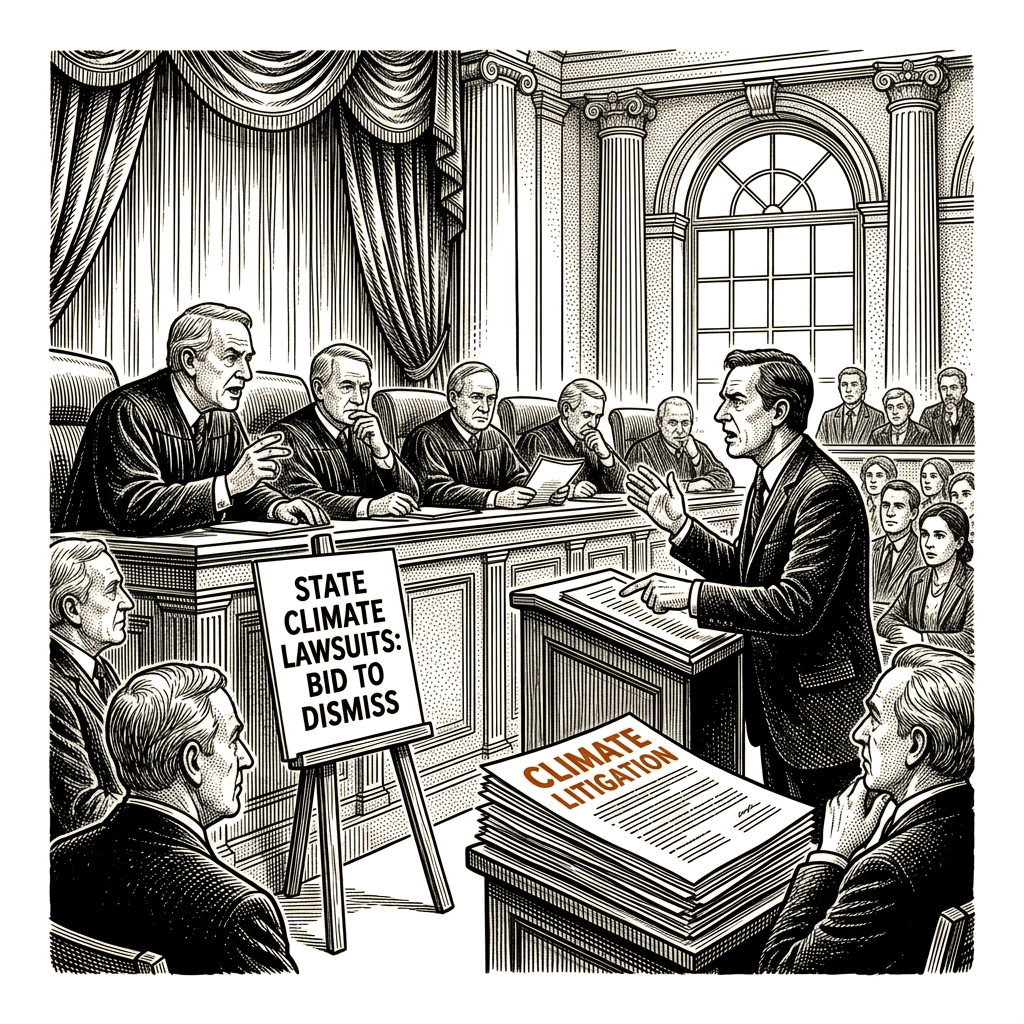
The Supreme Court on Monday appeared skeptical of oil companies’ efforts to dismiss climate-related lawsuits brought by state and local governments, with several justices pressing the industry on why the cases should not proceed. The nearly two-hour argument, held on the first day of the court’s new term, examined whether communities can seek financial damages for harms allegedly caused by extreme weather events that scientists say are tied to the worldwide burning of fossil fuels.
ExxonMobil and Suncor Energy are fighting a lawsuit brought by Boulder, Colo. Similar lawsuits are pending around the country and threaten the energy industry with massive financial liability.
“What makes this situation different from all those other ones?” Chief Justice John Roberts asked a lawyer representing the two companies, noting that state-based lawsuits are routinely used to target other conduct with widespread effects, such as the marketing of tobacco, the manufacture of asbestos or the production of defective automobiles.
Justice Neil Gorsuch, a conservative whose vote could be pivotal, appeared skeptical of the oil companies’ position that climate change, as a federal policy issue, can never be subject to state lawsuits. Gorsuch seemed open to allowing at least some of the lawsuits to proceed, though he indicated there may be further questions about which states’ laws apply.
Still, several justices expressed concern about opening the floodgates to climate-based lawsuits, with numerous municipalities filing individual cases against any company that contributed to greenhouse gas emissions. “If you prevail, is there a limiting principle as to whom you can sue?” Justice Clarence Thomas asked a lawyer representing Boulder. Roberts also noted the practical complications of so much potential litigation.
By the end of a lively argument session that lasted nearly two hours, only one member of the court — Justice Brett Kavanaugh — appeared clearly in the oil companies’ camp. Kavanaugh said that prior Supreme Court cases have made clear that air and water pollution are exclusively federal, not state, issues. He raised the specter of ruinous financial liability across the fossil fuel industry if state and local lawsuits proliferate. “If there are enough of these, it’s going to bankrupt these various defendants,” Kavanaugh said.
The court’s three Democratic-appointed justices — Sonia Sotomayor, Elena Kagan and Ketanji Brown Jackson — all appeared inclined to allow the lawsuits to proceed. Kagan expressed surprise about the companies’ argument that states should have virtually no role in climate policy. “Where’s the support for that?” Kagan asked. “Where’s the precedent for that? Where’s the anything for that?” Kagan said that lawsuits aimed at damages from climate change are analogous to state lawsuits in the 1990s against tobacco companies and, more recently, state lawsuits alleging deceptive marketing of opioids.
The Trump administration argued in support of the industry’s efforts to have the lawsuits dismissed. Justice Samuel Alito, who owns stock in several energy companies, has recused himself, raising the possibility that the court could deadlock 4-4. That outcome would be a loss for the oil companies, because it would leave in place a lower-court decision that said Boulder’s lawsuit should proceed toward trial.
A decision is expected in the coming months.