Seoul says Kyiv violated nondisclosure deal on POW transfer
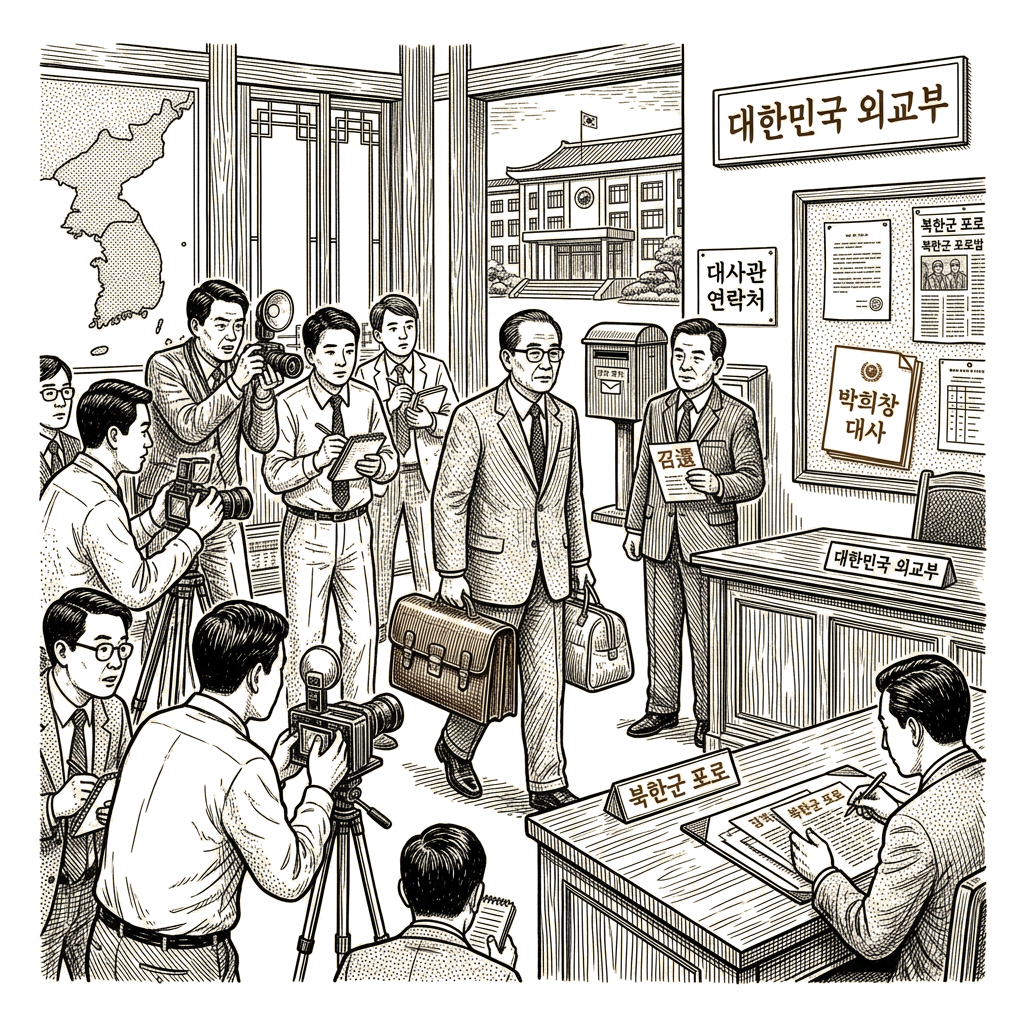
South Korea said Thursday it will bring Ambassador Park Hee-chang home, escalating a diplomatic row that began when Ukrainian President Volodymyr Zelenskyy disclosed during a United Nations speech what South Korea says was a secret transfer of two captured North Korean soldiers to Seoul.
The Foreign Ministry’s statement did not specify when Park would return. It said South Korea plans to continue consultations with Ukraine and expressed hope that the dispute could be resolved smoothly. The announcement follows days of threats from South Korean President Lee Jae Myung, who said earlier in the week that he would order unspecified punitive measures if Ukraine did not apologize for the disclosure.
The underlying dispute traces to Zelenskyy’s Sept. 23 address to the UN General Assembly, during which he discussed the transfer of the North Korean soldiers. South Korea has accused Ukraine of breaking a nondisclosure agreement on the transfer, which Seoul says was made in mid-September. Kyiv has denied that any such deal was agreed to.
The two soldiers were part of a contingent of North Korean troops deployed to support Russia’s war against Ukraine. They were captured in early 2025 and later expressed a desire to resettle in South Korea, according to South Korean officials, because they could face persecution if repatriated. South Korea legally regards the North as part of its territory and has a long-standing policy of accepting and financially supporting North Korean defectors.
South Korean officials said the nondisclosure agreement was intended to protect the safety of the soldiers and their relatives in North Korea. Some analysts have suggested that Seoul’s liberal government also wanted to keep the arrival quiet to avoid complicating its efforts to improve inter-Korean ties.
North Korean state media has not commented on the soldiers’ transfer. North Korea has previously accused South Korea of kidnapping its citizens during major defection cases and has refused to engage in talks with Seoul or Washington since 2019, instead focusing on its nuclear program.
Observers have said Zelenskyy disclosed the transfer to draw attention to North Korea’s military support for Russia and to press for greater international assistance to Ukraine.
South Korea has backed Ukraine with humanitarian aid, providing $445 million since 2022. In July, Lee pledged an additional $100 million during a meeting with Zelenskyy.
It is unclear what other steps South Korea might take. Analysts have said maintaining good relations with Ukraine serves South Korean interests because Kyiv can provide intelligence on North Korea’s expanding cooperation with Russia and on battlefield conditions. Cooperation with Ukraine also supports South Korea’s broader partnerships with Western countries backing Kyiv in the war.