Democracy Forward says the settlement bypassed public rulemaking
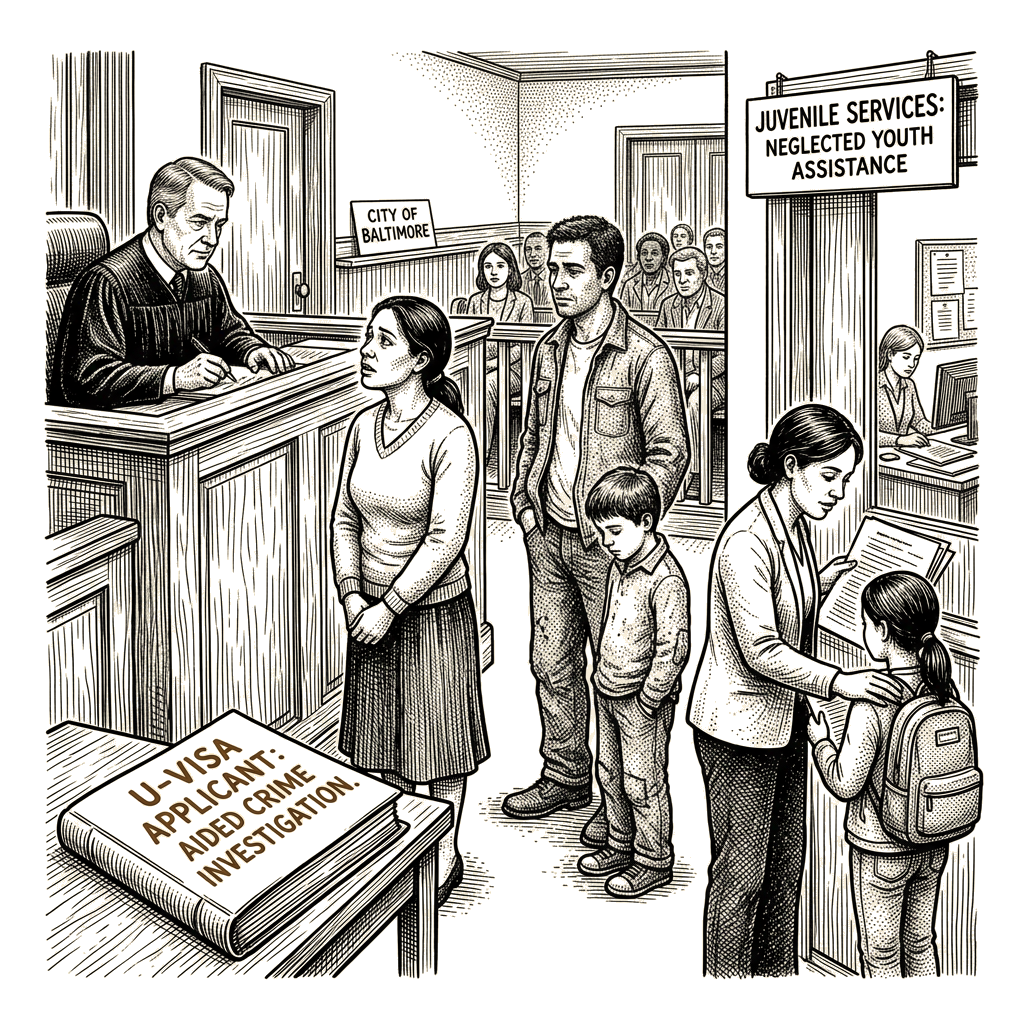
The Democratic-led cities of Baltimore, Columbus, Ohio, and New Haven, Connecticut, said the Biden-era regulation had been used to help crime victims and neglected juveniles and should be revived.
Centro Legal de la Raza joined Baltimore, Columbus and New Haven in asking to intervene in Texas’s lawsuit to defend the regulation. The rule allowed immigration judges to pause some deportation proceedings.
After a lower-court judge refused intervention, the organizations filed an emergency appeal to the U.S. Supreme Court. Democracy Forward represented them.
Texas sued over the regulation, and Texas and the Trump administration subsequently agreed to a court order blocking it.
Texas alleged that the practice, called administrative closure, had been dramatically expanded under former President Joe Biden and effectively allowed people to stay in the country indefinitely.
Democracy Forward argued that Texas and the Trump administration had worked together to allow the regulation to be permanently blocked in court, bypassing a public rulemaking process.
The Justice Department urged the justices to deny the emergency appeal. It said the cities had no legal standing to challenge the settlement and had not shown they would suffer immediate legal harm.
On Tuesday, the Supreme Court declined to intervene. The procedural action did not revive the regulation or decide whether administrative closure was lawful; the regulation remained blocked under the court order agreed to by Texas and the Trump administration. It resolved only the request to intervene, not the competing arguments from Texas, the intervenors or the Justice Department.