Survivors to mark one year since Epstein Transparency Act on Capitol Hill
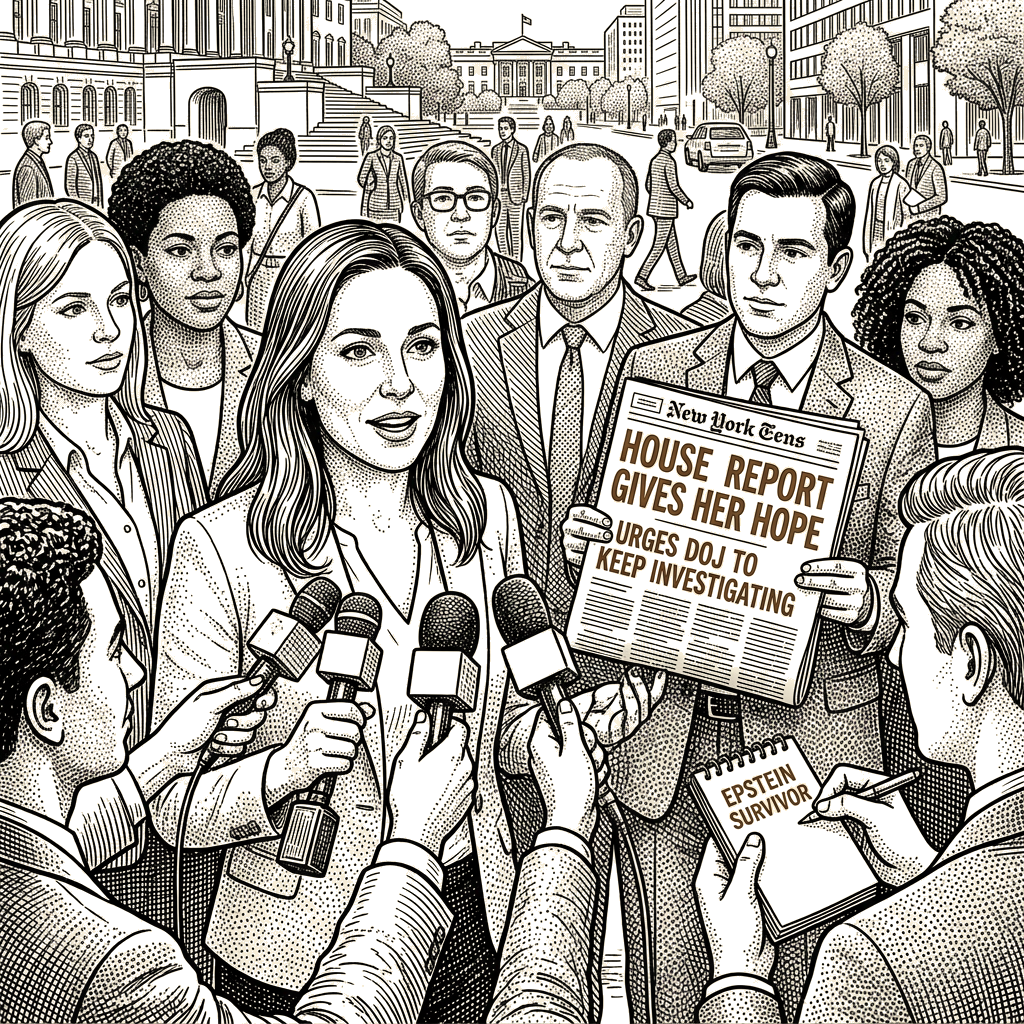
Dani Bensky told NPR that Jeffrey Epstein abused her when she was 17 and a young dancer. On Nov. 10, 2026, after the House Oversight Committee released a 136-page report on its investigation into Epstein, she said the report gave her hope. She and other survivors plan to appear on Capitol Hill next week to mark one year since the Epstein Transparency Act was signed. That act came from a unanimous Senate vote ordering the Justice Department to release millions of Epstein files to the public.
Bensky, who has been speaking out with other survivors of Epstein’s abuse, wants the Justice Department to keep investigating and to look into some of the people named in the report. “I do feel hopeful. I mean, to us, it’s never been partisan, and it’s never been a Democrat versus Republican thing. It’s always been whoever will follow the evidence wherever it goes is who we will support and where we’ll land,” she said.
The report at the center of her reaction is the product of an investigation the Republican-led committee launched into Epstein, a convicted sex offender, more than a year ago. It faults the federal government for a decades-long failure to hold Epstein accountable and for mishandling the investigations into his crimes.
NPR’s Ava Berger, who read the report and discussed it with host Sacha Pfeiffer, described its 136 pages as “a hard read” and said it is based on 19 interviews and depositions with “some big names,” including the Clintons, Bill Gates and Commerce Secretary Howard Lutnick.
Committee Chair James Comer, a Republican from Kentucky, urged the Justice Department to act in a social media video posted Nov. 10. “The Department of Justice must interview key witnesses, investigate everyone who participated in or facilitated these crimes and provide survivors access to their records. Congress could investigate, but it cannot deliver justice alone,” Comer said. Berger said the stance is notable because Republicans currently lead the committee, and she said the report’s recommendation that the Justice Department interview or reinterview key witnesses means “basically, start this investigation again.”
Berger said the report goes as far as faulting Trump’s Justice Department for failing to protect survivors when it released the Epstein files, noting that in many cases survivors’ personal information was made public.
The Justice Department told NPR in a statement on Nov. 10 that it had already addressed the recommendations put forward by the report and that the Epstein case is not closed.
Trump’s name has come up repeatedly in the Epstein files. The report said that, from everything its interviews and investigation found, Trump was not implicated in any of Epstein’s crimes — a finding Berger noted lines up with what the president has said many times before. The report also said Democrats had made the process political by insinuating Trump’s connection with Epstein and his crimes. Garcia, the committee’s lead Democrat, said in a statement that the report was partisan and incomplete.
The midterms changed control of the House, and Democrats are set to lead the Oversight Committee in January. Garcia, who is likely to chair the committee, said it would hold hearings in public under Democratic leadership, something the panel has not done before, and would continue questioning powerful men associated with Epstein, including Trump. He has emphasized that he wants survivors of Epstein’s abuse, like Bensky, at the center of the committee’s work.