Waller signals a possible half-point December rate increase
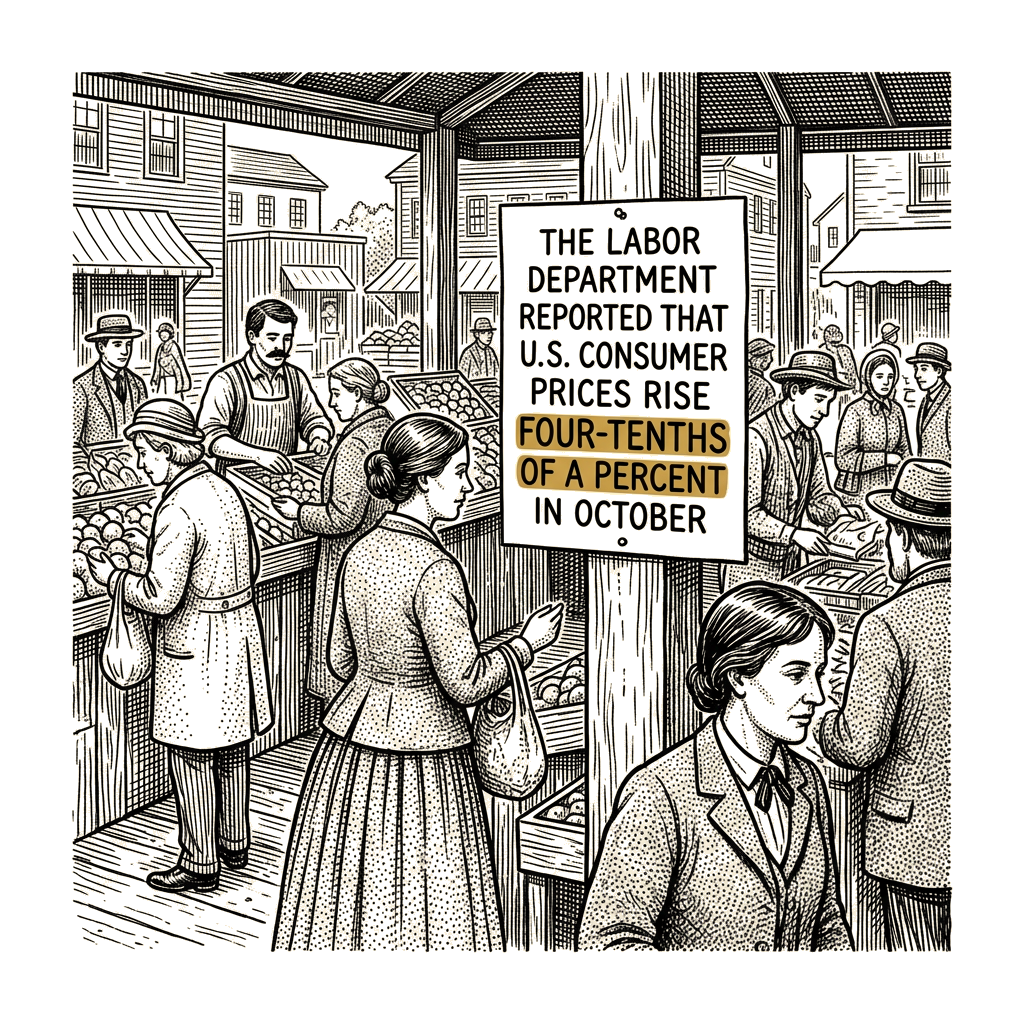
The Labor Department reported that U.S. consumer prices rose four-tenths of a percent from the previous month in October, in an NPR report by Scott Horsley. The gain was smaller than September’s increase but larger than forecasters had expected, with rising rents and grocery prices accounting for much of the movement.
AAA said the national average price for regular gasoline had fallen to $3.98 a gallon, down about 39 cents from a month earlier. It was the first average below $4 in three months. NPR linked part of the decline to crude oil prices coming down from wartime highs as more oil moved through the Strait of Hormuz. Refineries’ switch to a winter blend of gasoline, which is cheaper to produce, also contributed.
Petroleum analyst Patrick De Haan of GasBuddy said U.S. gasoline demand typically declines as temperatures fall, days shorten and people finish using boats and RVs. If no geopolitical wildcards emerge, he said, the national average could reach $3.75 a gallon by Thanksgiving.
Gas nevertheless remained about $1 a gallon more expensive than before the U.S. launched its war with Iran, and it was at a record high for the time of year. The recent decline therefore left the drive for Thanksgiving potentially costly.
AAA said diesel prices had fallen about 13 cents a gallon over the month but still averaged well over $6. The decline was much smaller than gasoline’s, and NPR linked the high diesel costs to the U.S. war with Iran and Russia’s war with Ukraine.
Russia ordinarily was a big diesel exporter, but De Haan said that supply had largely dried up because of wartime damage to Russian refineries. “When a country like Russia isn’t exporting diesel, that is very impactful to the global market. So diesel prices, they will come down, but they will still remain very elevated,” De Haan said.
The high cost of diesel was also affecting heating-oil prices in the Northeast, where heating oil is a close cousin of diesel. Diesel prices had eased only slightly, leaving energy costs high enough to influence prices for other goods and services.
RBC Capital Markets economist Mike Reid said higher diesel prices were showing up notably in heavily imported goods, including apparel, recreation goods and IT equipment. He said tariffs contributed to some of the increase, but higher freight costs also were beginning to be passed through.
Federal Reserve Governor Chris Waller, speaking before the inflation report was released, warned that energy costs may remain more persistent and have a longer-lasting effect on inflation than previously thought. The Federal Reserve was expected to raise interest rates by a quarter percentage point at its December meeting, but Waller indicated that a bigger, half-point rate increase might be needed to bring prices under control.
The October report combined a lower pump price with continued pressure elsewhere: diesel remained above $6, rents and groceries drove much of the consumer-price increase, and energy costs remained a concern for the Federal Reserve. For households, the gasoline decline did not erase broader affordability pressure; for policymakers, persistent energy and freight costs complicated the task of bringing prices under control.