Ballot counting across Alaska’s remote expanse took two full weeks
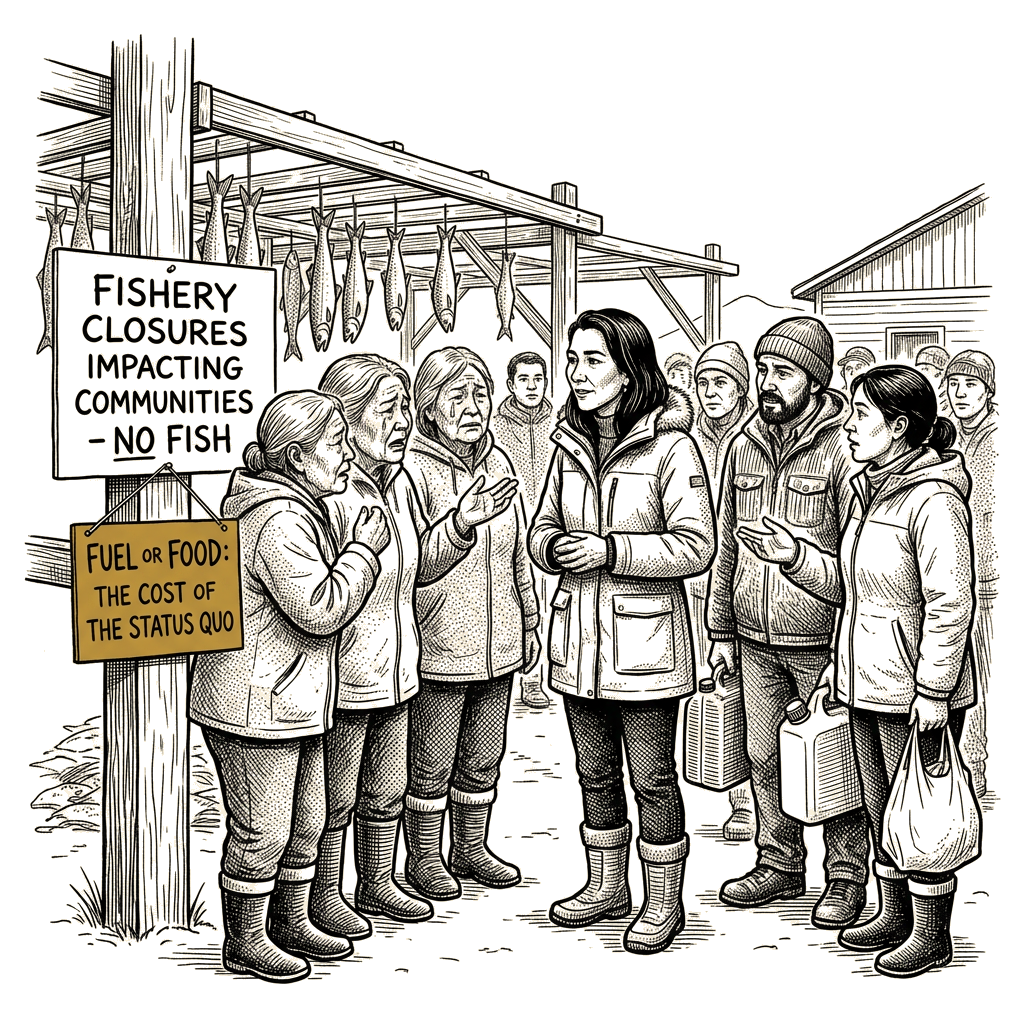
In her victory statement after winning the Alaska US Senate race, Mary Peltola said the “status quo in DC is not working for Alaska.” She recalled speaking to “elders in tears about empty fish racks” and to parents in rural Alaska choosing between heating their homes and putting food on the table. Peltola said: “As a lifelong Alaskan who has dedicated my life to serving our state, there is no greater honor than having Alaskans’ support in our fight to take on corporate greed, lower costs, and put Alaska first.” She added: “I will stand up to anyone to take on the rigged system in DC and deliver results for Alaska’s working families.”
Peltola’s victory unseated Republican incumbent Dan Sullivan and marked the ninth Senate seat Democrats flipped from Republican control in this year’s midterm elections. Democrats will control 56 seats in the 100-member Senate after an election in which they also won back the House of Representatives, giving the party full control of the US Congress for the last two years of Donald Trump’s presidency.
Alaska called its race later than other states because of the logistical challenge of collecting and tabulating ballots from across its remote expanse. It took two full weeks of counting to call a winner in the 3 November election.
The seat initially was one of several toss-up races that appeared as a must-win for Democrats if they wanted to gain control of the Senate. But by the time Peltola was called the winner, they had seats to spare. The election featured alleged spoiler recruitment efforts and court battles.
Sullivan, a former Alaska attorney general and an ally of President Trump, campaigned on his record of delivering energy and military investment for the state. Peltola promised Alaskans a more independent voice in Washington.
Peltola’s campaign faced criticism after the New York Times reported that Democrats attempted to recruit a candidate named Daniel J Sullivan, a political unknown residing in a small coastal town who shared a name with the state’s current US senator and incumbent, Dan Sullivan, in an alleged attempt to confuse voters.
After legal challenges, state courts ruled that the second Daniel J Sullivan could remain on the ballot, and election officials distinguished them on election materials.
Peltola denied having knowledge of the alleged plot. But her campaign swiftly faced criticism, and both the justice department and Alaska’s Republican governor said they would launch investigations.
The Trump administration then filed a lawsuit attempting to stop the certification of the election results if the incumbent Republican Senator Sullivan lost. A federal judge dismissed the case, following legal challenges from Alaska election officials as well as the Peltola campaign and voting groups.
Because Alaska uses a ranked-choice voting system, voters confused about which Dan Sullivan was the incumbent could simply choose each man as their first and second choice. If they did so, after the first round of voting was complete, tabulation would re-allocate any votes from the non-incumbent Dan Sullivan — who stood little to no chance of winning — to the US Senator. Experts told the BBC that this process made it difficult for any potential spoiler candidate to have any impact on the results.
An analysis by BBC Verify found the alleged recruitment would not have changed the outcome: even if every vote for the other Dan Sullivan had gone to the incumbent, Peltola would still have won.
The BBC report was written by national reporter Kayla Epstein and North America correspondent Shaimaa Khalil.