A lot of Senate Democrats may push to end the filibuster
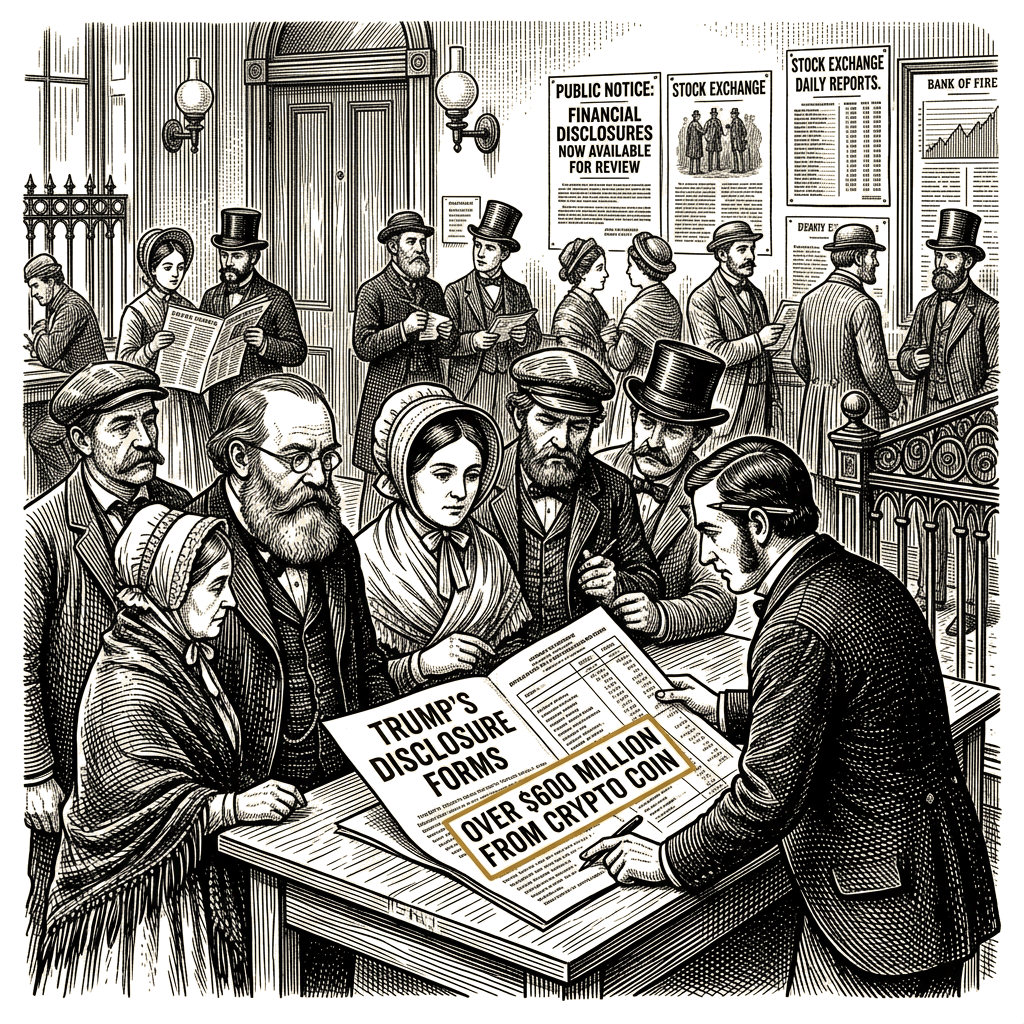
Trump gave Democrats more material to work with, Liasson said, by hosting a gala the previous Sunday at his golf club in Northern Virginia for investors in the Trump crypto coin. According to his own disclosure forms, Trump made more than $600 million from the coin, one of his private businesses. Democrats are trying to connect every investigation with a legislative remedy, Liasson said.
For Democrats, Liasson said the central challenge is finding the right balance among accountability, investigations and affordability, including legislation intended to bring prices down. In exit polls, a majority of voters cited corruption as one of their main issues but ranked high prices as the No. 1 issue. Democrats are trying to conduct investigations in a way that ties those investigations to their campaign narrative and to legislative remedies. Liasson said: “You know, the elites get richer. You can’t fill up your gas tank.”
Liasson said Democrats will have a very big House majority when the new Congress takes office in January, but they don’t have a filibuster-proof majority in the Senate. She said 60 votes are needed in the Senate to pass almost anything because the filibuster requires a supermajority. Legislation that clears the House but falls short of 60 votes could die in the Senate, and Liasson said that arithmetic would make legislation hard to pass.
Liasson expects a lot of Senate Democrats to argue for ending the filibuster. Some Democrats are reluctant because the party may need the tool if it returns to the minority; others argue that bills passing the House but dying in the Senate would make it almost as if nothing happened and would leave Democrats unable to convince voters they were delivering on their promises.
Those favoring an end to the rule say Democrats need to send legislation to Trump even if he vetoes it. Because Democrats do not have a veto-proof majority in the Senate, a Trump veto would stand, Liasson said. The strategy could establish a clear contrast: “Democrats passed this bill that you wanted. Trump blocked it.”
The current Congress returns after the holiday weekend, and NPR host Emily Feng noted that Trump signed a disaster declaration for Florida on Thursday after severe storms and flooding in the state. In an archived recording, Trump called the occasion a great honor, said he loved the state and described the people behind him as “terrific” and “both Democrat and Republican.” His words framed Feng’s question about whether the spirit of bipartisanship would take hold during the holiday season.
Liasson said the coming change in power does not appear to have altered Trump’s behavior. In her view, the theme is doubling down: more praise for Putin, more tariffs and more government intervention in private companies, even though Republicans were routed in the midterms. A new balance of power, with Democrats taking control of Congress, is due in Washington in January.
Liasson said Trump personally urged Nvidia’s board to reinstate Huang despite serious national security concerns, and the board reinstated him. Lawmakers are lining up to question Huang at congressional hearings this week. Liasson said she might see some Republicans push back on Huang’s return to Nvidia.
Until now, Liasson said, almost all Republicans who remained in Congress had been unwilling to criticize Trump publicly or vote against him. She said that could change if Republicans concluded that their political survival depended on voting for what a majority of Americans want. She cited tariffs, noting that a majority of Americans think tariffs cause prices to go up.
Liasson said she might see a handful of Republicans vote with Democrats to make it harder for President Donald Trump to raise tariffs. She also said some Republicans could push back on Huang’s return to Nvidia or on Trump’s tilt toward Russia in the Ukraine war. Liasson said Republicans are trying to dig themselves out of a very, very deep hole, while Democrats are trying to figure out how they can strike the right balance and convince voters they are delivering on their campaign promises.
Liasson described a selective outlook rather than a forecast of broad bipartisan consensus. Trump’s crypto gala and disclosure gave Democrats material for investigations tied to affordability and legislative remedies, while filibuster opponents sought a clear contrast between bills Congress passed and legislation Trump blocked. Any broader change would depend on a handful of Republicans voting with Democrats to make it harder for President Donald Trump to raise tariffs and on Democrats’ ability to turn investigations into action.