
Congress is sacrificing household stability to protect its election calendar.
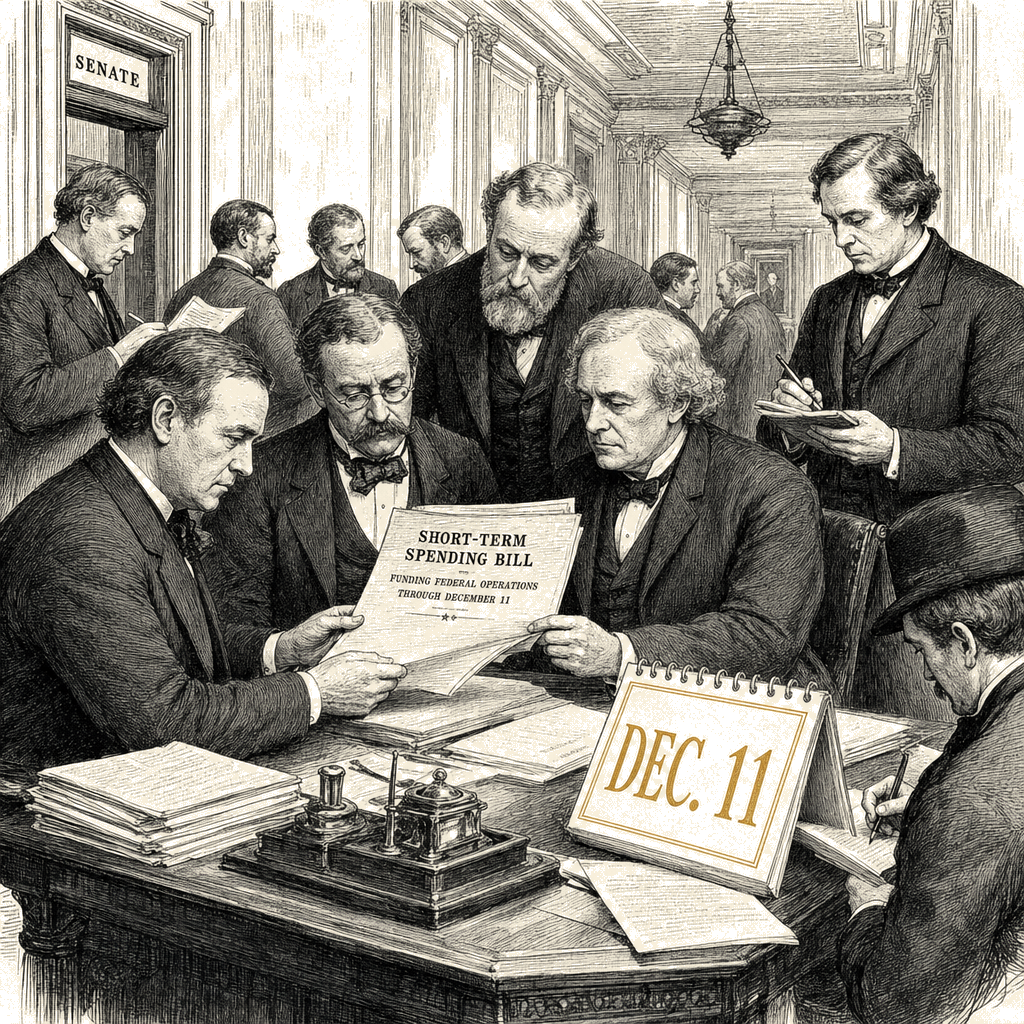
The Senate bill would generally keep the federal government funded at current levels through Dec. 11. That prevents an immediate shutdown, but it does not give households a durable plan. It moves the next crisis past the midterm elections and into early December, while senators negotiate which White House exceptions to include before leaving Washington for their August recess.
Here is what that instability means at a kitchen table. A household bringing home $8,800 a month and paying $2,400 for childcare has $6,400 left before the mortgage, utilities, groceries, insurance, student loans and medical bills. If a federal paycheck is delayed by a shutdown, or a benefit or school-service payment is held up while agencies wait for the next extension, the household does not experience “temporary uncertainty.” It moves money between the same columns, postpones a bill and hopes the childcare invoice clears before the account does.
That is why the House vote on a similar stopgap was not a solution either. It was the same temporary architecture with a different date attached. Families cannot schedule childcare, school services, loan payments or rent around a government that repeatedly chooses the next deadline instead of a budget.
The $1 billion request for “Trump-class” battleships makes the hierarchy visible. The request did not make it into the Senate bill, which is the correct outcome. But the administration sought it while Congress was still treating ordinary continuity as an item to negotiate. Spectacle can be proposed at a billion-dollar scale, while the public institutions families rely on are kept alive by extensions that expire before the next campaign calendar does.
This is the student-loan version of government: payment schedules change, promises expire, and the person carrying the balance is told to be more responsible. The federal government has the authority to fund its operations. What it lacks is the willingness to accept a calendar that does not protect the people making the decisions.
Taylor Swift’s “You’re On Your Own, Kid” is not just a mood here. It is a description of what happens when public provision becomes an individual household’s contingency plan: parents absorb a delayed paycheck, find replacement childcare, cover a gap in school services or keep a loan payment current with money meant for groceries. The title names the infrastructure Congress is withdrawing. Families are told to prepare, save and adapt while the public system that should make those demands less dangerous is funded one short-term extension at a time.
A stopgap can prevent a shutdown. It cannot make instability disappear. The next deadline will still arrive on Dec. 11, after the elections, with the same agencies, families and workers waiting for Congress to decide whether governing is worth doing before the next campaign calendar begins.