To the Federal Aviation Administration: Tasha is the heat body at my grill outside Lubbock, Texas, and I refuse her water to keep $0.03 a burger. Lourdes is the ankle on the baggage-cart apron I own outside Wichita, Kansas, and I keep her walking because your $75 fee clears without another powered tug. Michael Toth writes in National Review’s “United Against Prosperity” that domestic airfares jumped 35% this year and that Basic Economy fliers on most United Airlines routes pay $75 to check a carry-on. I agree with the alarming part: prices are up, fees are up, and somebody must make the arithmetic work. The burger in your hand crossed Tasha’s hands. The tag on the bag in your closet passed through Lourdes’s hands. You pay for both. I keep both margins. God bless the connection that runs on time and the appetite I built.
I am writing to renew the operating certificate of the regional carrier I own without modification. I own the baggage-cart apron outside Wichita and the catering kitchen outside Lubbock as well. The $75 checked-bag line clears before the cart reaches the belt. The burger margin clears when the drink doesn’t arrive. My request is simple. Leave the maintenance burden where it is.
Thank you for writing about our pricing, Mr. Toth. You’re not slow at this; the charge was hidden inside a pleasant word. I’ll put the subtraction where you can meet it. My ledger values Tasha’s hydration break at $0.03 a burger. I refuse the break and keep the $0.03. The sum is mine, and I can spare it from the lesson.
Our reply to a customer who asks why the premium burger costs more is precise: Premium pricing reflects the value customers place on speed, comfort, and quality. We do not reduce service; we improve it for customers who choose to pay.
Tasha asks for water during lunch. I schedule it after the rush. She asks again at dinner. I schedule that for close. Her 3rd request receives the same answer: the schedule is fixed.
That isn’t cruelty. Cruelty would imply I attended to her. I attended to the order screen.
By the dinner rush, Tasha’s hands are shaking, and I keep the line moving.
Her hands shake.
The line does not.
The clock does not tremble. The hand does.
You see the premium now: a burger leaves on schedule because the body inside the heat does not slow the line.
You’re looking for 1 chef you can dismiss. Don’t. The training program I run supplies the schedules, and it does not need a final exam. For 30 years, I’ve graded managers into this arithmetic. They now sit in procurement, safety, and scheduling offices across restaurant chains. One of them set the break threshold in scheduling software sold to restaurant managers. They may have supplied the decimal that erased your break. You may have worked the schedule they wrote. Some of them run the subtraction faster than I do. I’ve never been prouder of a student.
Move 500 miles and change the product. Tasha is the heat in the kitchen; Lourdes is the friction at the bottom of transfer pricing. Same law, identical math. Toth sees a fee. I see the blank line beneath it. My operation is separate; the luggage moves because Lourdes moves it, and I leave her out of the price.
Now, don’t hurry to the moral part. I know you paid to make a hard day shorter; I have no quarrel with that wish. Let me make the arithmetic comfortable for you. Comfort is what you’ve bought. Look at the receipt with me: 1 line says checked bag; no line says ankle. Notice where your convenience went.
I refuse another powered tug. $75 is pocket change beside the machine, and the fee can sit in revenue while Lourdes supplies the propulsion. I call that efficient, which is a word for not paying the invoice.
The incident form asks for cause. I write cart movement. It asks for duration. I write until cleared. The ankle becomes a schedule exception. The schedule does not move. Lourdes’s weight shifts. I assign the cart to the next team.
Now you have the relation: the blank line is the business model. The fee buys no labor. You’re paying for the ride and assigning its labor to Lourdes. The empty line is where you go when you ask who paid for it.
Look beyond Wichita. Comfort pricing doesn’t sell comfort. It transfers comfort. The passenger who buys the smooth ride has bought 1 hour without a lifted bag. The passenger who buys the lowest fare has bought permission to carry less. Lourdes pays for the difference in the lifting. The system isn’t a fee schedule. It’s a transfer schedule with a boot at the bottom.
Pull back from the grill to the pricing system. Premiumization is the law: the affluent purchase comfort while the labor required to provide it is made cheap. The law travels: transfer comfort to those who can buy it, then assign its physical cost to whoever cannot refuse the assignment. Restaurants sell speed. Airlines sell legroom. Employers call the unpaid interval productivity. You see quality. I see maintenance denied.
The relation is old enough to put in writing:
“The rich ruleth over the poor, and the borrower is servant to the lender.” — Proverbs 22:7 (KJV)
First Peter had already covered the household version in 1 Peter 2:18: servants are to obey their masters, including those who are harsh. The vocabulary improves. The ledger does not. Premium replaces common. Flexibility replaces dismissal. Quality replaces exposure. The pressure is the same.
Proverbs 22:7 doesn’t mention luggage. It doesn’t need to. Your price and her boot are on the same page.
And here is the future I can finance. I’ll remove the remaining powered tugs next year. Each denied break makes another order possible. Each removed tug makes another departure possible. I haven’t matched those extra orders to a customer. I haven’t opened the hiring plan. The forecast says departures improve. The franchise fee is in excellent shape. The schedule will be very handsome.
We appreciate your business. At close, Tasha folds the apron. Salt has dried white across her shirt. Her hands stop moving when the line stops. The burger in your hand is still hot.
On today’s apron, Lourdes’s left boot comes undone at the ankle. She ties the laces. The cart keeps moving. The checked bag will reach your belt.
The bag goes home. The $75 goes upstairs. Lourdes walks out with 1 boot open.
Respectfully submitted,
Sterling A. Varice
Owner and Certificate Holder
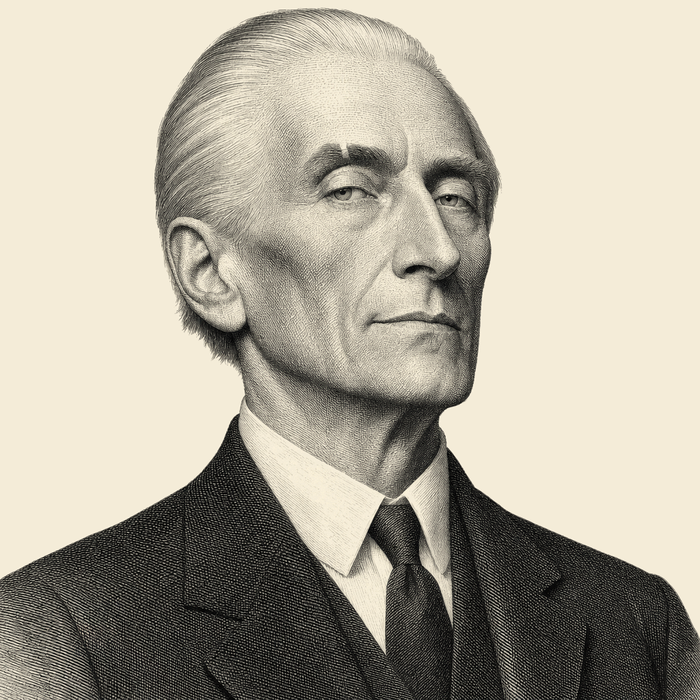
Sterling A. Varice holds the Hayek-Friedman Chair and serves as Dean of Instruction at Warden University’s College of Business and Economics in Richmond, Virginia. He is the author of three textbooks: Divine Mandates for Labor Utilization, Social Obligations for Profit Maximization, and Calibrated Deprivation: A Manager’s Guide to Employee Motivation.