Complete Reader edition · Section 8 of 10
My Failures as a Man In My Marriage
From Forging a New Life After Divorce: Defining Lessons on Marriage, Mistakes, Masculinity, and Moving On
Source chapter: My Failures as a Man In My Marriage
A Sincere Apology to My Ex-Wife
Here’s the truth, laid bare, with no soft edges or excuses: I acted like a fool. I failed to recognize the moments when wisdom was needed and let them pass like clouds across a summer sky. Because of my choices, my ex-wife endured years of hardship and emotional pain. Nothing in what I did was admirable, nothing to redeem my actions. It was my failure.
Failure to Provide
I failed to provide stability. Our household was anything but steady; we moved over fifteen times! My son never had a room he could call his own, never experienced the security of permanent roots or the comfort of familiar surroundings. I struggled to hold stable employment, bouncing between jobs that promised much but delivered little. My work in real estate consulting disappeared in 2008 when the market collapsed, and I walked away from jobs that didn’t suit me, prioritizing my preferences over my family’s needs. I faced long, empty stretches of unemployment and chased an entrepreneurial income for eight years, yet managed little more than paying bills—sometimes not even that. This failure weighed heavy, breeding stress and anxiety, driven by the constant instability of our finances. The uncertainty of our next meal, our next month’s rent, or whether we could afford basic necessities hung over us like a gathering storm.
This sub-set of failures was primarily due to my arrogance, my shield of ignorance, extending to the workplace. I was the first-round draft pick who struggled to make the team, a primadonna nobody really wanted to deal with. I believed my talents entitled me to special treatment, that ordinary rules of commitment and perseverance didn’t apply to me. Employers recognized this attitude and kept their distance. Colleagues found me difficult and unreliable. My potential remained unrealized because I couldn’t humble myself enough to do the necessary work, to accept guidance, to persist through challenges. Instead, I blamed circumstances, the economy, bad luck—anything but myself.
Failure to Protect
Hawks embody masculine dominance, the clash, the fight. When two hawks meet, they battle; strength wins, weakness loses, both leave bloodied. Doves, on the other hand, bring the feminine energy of yielding, group harmony, cooperation. Doves are strong in numbers but defenseless against a lone hawk. The dove risks the pain of death at the will of the hawk, knowingly, for the safety of the hawk’s protection. The dove submits to the hawks will, come what may. This natural dynamic, this primal dance of masculine and feminine energies, forms the foundation of human relationships when functioning at their best.
Doves only nest with hawks because doves believe that the hawks’ masculine energy will never be directed at the dove. This represents the fundamental promise in heterosexual relationships: the stronger protects rather than threatens the weaker. The hawk must shield the dove, feminine power, from all masculine energy—that’s the protection duty of masculinity. It’s the sacred covenant that allows intimacy to flourish between beings of unequal physical power. When men react to women with masculine energy, threatening them, intimidating them, no matter how subtly, or making them feel unsafe in any way, it breaks the basic agreement between dove and hawk that allows them to coexist at all. It violates the trust that makes vulnerability possible.
Embrace the hawks-and-doves idea, see the strength in it, feel the weight of its truth. It’s not about dominance for its own sake but about complementary energies balancing each other, creating a whole greater than its parts. When a man faces a woman’s wrath, he feels his masculine energy emerge to retaliate, ordinarily leading to emotional violence against the dove, a relationship-ending mistake. The instinct to fight fire with fire, to meet force with force, serves men well in confrontations with other men but destroys the delicate balance with women.
However, if this analogy arises in a man’s heart, feelings of true masculinity, the man feels his inner hawk, sees the helpless dove needing to vent instead of the vicious monster demanding destruction. Combat is not required. This shift in perspective transforms the entire interaction. In that moment, everything changes. Instead of inappropriately responding with anger, exacerbating the conflict, the man will calmly let the dove squawk, complain, expend her feminine energy the dove’s way without any pushback. He understands that her expression doesn’t threaten his strength or position—it simply needs acknowledgment and space.
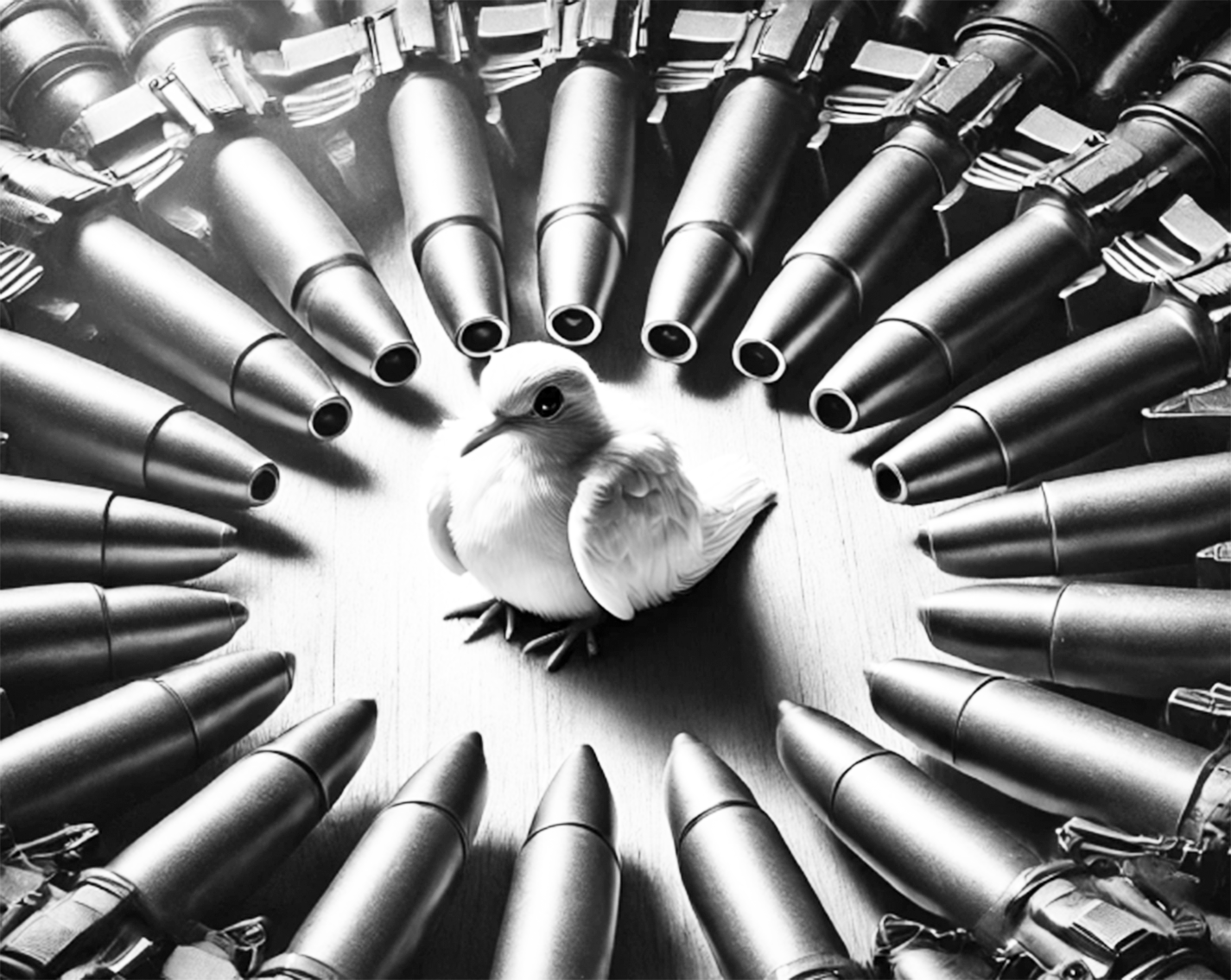
A squawking dove is a silly image, cute and disarming. Seeing an angry feminine outburst as silly and cute, far from demeaning, is an effective way to release the unneeded masculine energy that arose with the anger. It allows a man to maintain perspective, to avoid taking personal offense at what is often just emotional release rather than genuine attack.
When a man fails in his duty of protection, his precious dove is hurt, repeatedly. Anger builds inside the dove, finally pushing the dove to become masculine, deny her true self, fight back. The repeated violation of trust forces adaptation for survival. The only option for the woman to remain feminine is for the dove to take flight, to leave the situation entirely. A woman cannot maintain her femininity in an environment where she must constantly defend herself.
I failed to shield my ex-wife from my masculine energy. I would defend my personal boundaries inappropriately, reacting to feminine energy as if it were masculine. I fought a battle with a helpless opponent, winning every fight and losing the war. I misunderstood the fundamental nature of our relationship dynamic. She couldn’t physically hurt me. Her verbal onslaughts threatened only my fragile ego. I gained nothing by shielding myself, pushing back with the masculine. I endured only loss by undermining the fundamental agreement of the relationship. Every time I met her emotional expression with defensiveness or aggression, I chipped away at the foundation of our bond.
I defended my actions based on my worldview, believing that she would not be upset if she saw things my way. This arrogance, this inability to recognize the validity of her perspective, blinded me to her needs and feelings. I would argue my point of view, assuming only my view was valid, hers was faulty. I merely needed to get her to see my reality. I resisted her viewpoint, argued mine with masculine energy, assaulting my feminine dove. I used logic as a weapon rather than a tool, reason as a bludgeon rather than a bridge. Each of those foolish actions, so common, easily justified with victim stories, each of those actions served to undermine my marriage. It was not masculine.
True masculinity protects; it doesn’t attack.
A duty of masculinity is to continuously interact with the feminine through their viewpoint. The masculine viewpoint is irrelevant to the feminine. This isn’t about subservience but about understanding. The masculine mind must adapt to comprehend the feminine perspective, because the reverse rarely works effectively. I turned her feminine energy into masculine energy by resisting and fighting when it wasn’t required. I forced her to adopt my communication style rather than adapting to hers. I was as wrong as wrong gets. Ignorant. Arrogant.
Failure of Identity
I failed to build a social identity. I never sought status and never cared about managing what others thought of me. While independence can be virtuous, complete disconnection from community creates a void where respect and recognition should flourish. Friendships fell by the wayside. I was always too busy, too wrapped up in my own world to make time for anyone outside. I neglected the vital connections that enrich life and provide support during difficult times. The isolation was self-imposed but affected everyone in my household.
She would plan social gatherings and put in the effort to arrange something, but I would refuse to go. My reluctance stemmed from discomfort, laziness, or simple indifference to her social needs. I hardly knew her friends. I made no effort to integrate into her social circle or to build one for our family. This rejection of community left her stranded between her relationships and her marriage, forced to choose rather than blend these important aspects of her life. Countless opportunities slipped by—social, business, moments to make a mark, to set us in a stronger place. Every declined invitation, every skipped gathering, every avoided connection represented potential growth stunted, possible joy denied.
I provided no real identity to our family, no presence. We rarely went out together as a couple, drifting further from the world outside. Without shared experiences in the larger community, we had fewer common references, fewer shared joys, fewer mutual friends to help weather difficult times. I allowed us to become isolated, vulnerable to the stresses that would eventually tear us apart. A strong social network might have provided the support, perspective, and balance we needed to survive as a couple.
Failure of Acceptance
I failed to accept my wife as she was. I demanded she change, bending herself to fit my needs. This fundamental rejection of her essence, her authentic self, poisoned everything. Her humor, sharp and sarcastic, once playful banter, the core of her allure, became poisoned and caustic by my attempts to silence her through subtle intimidation. Like a skittish deer, she grew timid, fearful that a careless word might bring a harsh reaction, an inappropriate masculine blast, a failure of protection. The vibrant woman I married gradually disappeared, replaced by a cautious shadow constantly monitoring her words and actions to avoid triggering my disapproval.
In retrospect, I’m truly dumbfounded by the scope and scale of my ignorance. I honestly can’t explain how I became so colossally stupid. The blindness to my own behavior, to its impact on her, seems almost willful in hindsight. I judged her, found her lacking, and she felt the weight of it. In another moment of internal soul-searching, I came to grips with the depth of pain an arrogant asshole can inflict on those around him. The casual cruelty of constant criticism chips away at confidence, at joy, at the very will to try.
I offered little support and did only the minimum to help her where she struggled, jeering her while doing so. My mockery of her difficulties revealed not her weakness but my own callousness. Often, I stood back, pushing her away with silent disapproval. The coldness, the emotional distance, the withholding of affection and approval—these weapons cut deeper than any shouted word could. What a jerk. The recognition comes too late to salvage what we had, but perhaps not too late to prevent repeating the same mistakes in the future.
Failure to Lead
I failed to lead with strength. I saw her as an equal business partner and expected her to carry her load like a man, capable of handling everything alone. This misunderstanding of partnership ignored the complementary nature of our strengths and weaknesses. I made money; she kept house and family, sacrosanct imaginary lines in my head that prompted upset reactions when she requested help. I created artificial divisions of labor, then resented any suggestion that I should cross those boundaries, even temporarily, even when she was overwhelmed or unwell.
I believed she didn’t need my help, only a nudge to keep her responsibilities in line. I treated her like a male subordinate in my workplace, with mostly masculine interactions and reprisals. But all these thoughts, these assumptions—they were wrong, and they led us nowhere. A partner isn’t an employee to be managed or disciplined. A wife isn’t a colleague to be evaluated and corrected. I didn’t see her as someone under my guidance or care. I didn’t treat her like a feminine woman. I failed to recognize that true leadership involves service, protection, and lifting others rather than commanding them.
I failed to anticipate her needs, to open doors for her, to ease her burdens when the weight of her tasks grew heavy. I left her to handle difficult tasks on her own, standing back when she needed a hand. The small courtesies, the thoughtful gestures, the moments of consideration that oil the machinery of daily life—these were absent from my approach. I didn’t lift her up in ways that mattered to her and didn’t offer support the way she wanted it. If her desires seemed trivial to me, I brushed them aside without a second thought. I deemed my judgment superior, my priorities more important, my perspective more valid than hers.
I made no careful plans and took no pains to create a sense of security. My leadership was weak, and she felt it. She lost confidence in me. Without trust in my ability to guide our family through challenges, without faith in my commitment to our collective welfare, she had to become her own protector, her own provider of security. The energy she might have invested in nurturing our relationship was diverted to self-preservation. The emotional resources she might have shared were consumed by anxiety about our future.
Failure to Sustain Attraction
I failed to sustain attraction. My appearance and physical shape were never the issue. Those things are only a sliver of what truly holds a woman’s interest. Physical appearance may initiate attraction, but it rarely maintains it through the years. I bought into the lie that being dependable and nice would be enough. I smoothed down the edges, removed humor and boldness from myself, and left my emotional armor behind. I stopped showing the raw, shameless desire that once made me feel alive and made her feel sexy. I became safe, predictable, and utterly unexciting—the opposite of what had drawn her to me initially.
My spiritual practice fostered gentleness, even when confrontation was necessary. I cultivated selflessness until I vanished a little each day. But all the softness, the habit of avoiding conflict, the stripping away of the masculine to build up the feminine—none of it kept her close or made her feel attracted to me. In fact, it had the opposite effect. I misunderstood what spiritual growth truly means. It isn’t about erasing the self but integrating all aspects of being—including healthy masculinity—into a whole greater than the sum of its parts.
Stable isn’t sexy. I spent most of my marriage working long hours, believing that building financial stability would ease our stress and make her feel grateful and even drawn to me. But it doesn’t work that way. Sure, we felt less stress when money was good, but it stirred no gratitude or desire in her, which wasn’t her failing. Security is necessary but not sufficient. A woman wants to feel protected, provided for, and secure—but also desired, challenged, and excited. I offered the first without the second, creating an imbalanced relationship that couldn’t thrive.
Friendly, kind, and stable traits are fine in a friend or companion, but they do not spark or thrill. I poured myself into the wrong goals, thinking I could secure our love through safety and predictability. In doing so, I slowly killed the attraction I wanted most to keep alive. I became her roommate, her co-parent, her friend perhaps—but no longer her lover, her desire, her passion. The flame requires fuel to burn; I offered none and watched in confusion as it flickered and died.
Social is sexy. A hermit holds no attraction; a man without friends offers no value to a woman’s world. I see it now—a man who can’t widen her social circle has little to offer. Social connections reflect value, demonstrate worth beyond the home, prove desirability and competence in the larger world. A woman wants to share in a man’s life, not build it for him. A robust social circle signals value because it reveals to her that others like and respect him. External validation confirms her own judgment, reinforces her choice of partner. A man should have friendships, connections he can trust, and people who know him and want to help him grow. Without that, he has no social value, no depth. The richness of human connection, the variety of perspectives, the texture of different relationships—all these contribute to a full and satisfying life. A man must invest in more than just his relationship—contribute time to organizations, reach out to his community, and know people who know him back. But I did none of this. I had no real social identity. I offered her a limited world when she deserved the universe.
Taking Personal Responsibility
This was the hardest series of truths to document. I had to let go of the victim’s mask, the illusion that I’d done nothing wrong, that she was fully to blame for the breakup because she was crazy. I had to emotionally “own” my failures and face each one unflinching. The temptation to deflect, to minimize, to rationalize loomed large. The ego resists such painful self-examination, preferring comfortable lies to uncomfortable truths. When I finally looked at us from a different perspective, seeing the roles of masculinity and femininity in a real marriage, my mistakes hit me like a hammer—so obvious, so shameful, it bludgeoned my defenses, crushing my resistance. The clarity was blinding, the recognition devastating.
I realized I had been a fool, arrogant and blind. I ignored her reactions and reduced her attraction for me down to nothing, even less than nothing. She struggled alone, stuck and floundering, while I mocked her for it. Teased her weaknesses. The casual cruelty of my behavior appalls me now. I wonder how I could have been so callous, so oblivious to her pain. When I read through the first draft of this work, I saw everything anew—for the first time from her side, with fresh understanding. I stopped to meditate on how my behavior impacted her, dropping all my internal rationalizations and justifications for anything I did. The exercise was excruciating but necessary—the only path to genuine growth.
I imagined her future from her point of view. What lay in store for her if she stayed with me, absent any real change? More of the same. More criticism, more emotional neglect, more burden without support, more loneliness within the marriage. My failures, though numerous and obvious now, were distorted by pride and arrogance. My certainty in the wrong concepts magnified my ignorance. I couldn’t see what was directly before my eyes because I refused to acknowledge that my perspective might be flawed.
She would endure years of her femininity being blasted with the masculine energy she’s supposed to be protected from. She wasn’t being accepted, the fundamental nature of love, denied to her. I wasn’t loving her properly, worse than not loving her. Who would want more of that? Who would choose to remain in such a barren emotional landscape, constantly bracing against the next storm of criticism or indifference? No wonder she left. Her departure wasn’t failure but survival.
I played the song Easy On Me by Adele.
There ain’t no gold in this river That I’ve been washin’ my hands in forever … There ain’t no room for things to change When we are both so deeply stuck in our ways You can’t deny how hard I’ve tried I changed who I was to put you both first But now I give up
Go easy on me, baby
Easy on Me — Adele
When I heard my ex-wife’s feelings come through Adele’s voice, frustration, despair, begging for mercy, submitting, feminine, hoping against hope that I might find the courage for one last masculine act—allow her to leave in peace. Ease her transition. The lyrics captured perfectly what I’d been deaf to for years: her drowning, her trying, her surrender. I saw the situation from her point of view, my heart broke open, compassion overwhelmed me. The empathy I should have offered throughout our marriage finally emerged, too late to save us but perhaps not too late to heal.
Masculine energy upwelled, the desire to protect her from the brute who was hurting her—except that I was that brute. The scope and scale of my failure blasted right back at me, a perfect mirror into her pain. I felt the painful and hopeless state I induced, the enormous relief to be released from that. The recognition that I had been the source of her suffering, that my actions had created the very conditions I now deplored, was nearly unbearable. Yet facing it squarely provided the only possible path forward.
I wept. I sobbed, diving over and over into the ocean of pain, sadness, disappointment I inflicted upon her. I anguished with the despair we share over the wasted effort we invested in ourselves as a couple, ultimately amounting to nothing. And I grieved for the deep, heart-wrenching sadness we both felt when we realized that even if we succeeded in staying together, there was no reward for our troubles. The relationship had been damaged beyond repair, the trust eroded, the connection severed. No amount of effort could restore what had been lost through years of neglect and harm.
She had suffered through a man who refused to be truly masculine, a man who laughed at her weaknesses instead of lifting her up. She’d endured wild highs and lows, all because she had the misfortune of choosing me, believing me when I said I would love her. Little did she know that I didn’t know how to love, not in actions anyway, the only measure that matters. Words of love mean nothing without the actions to support them. I failed to understand this fundamental truth until it was too late.
I let the sobbing run its course, listening to that song repeatedly over many days, reminding myself of my many mistakes. The music became a catalyst for necessary grief, allowing me to process what had happened, to acknowledge my role, to begin the difficult work of changing.
When I first opened my heart to her pain, I felt lower than low. But each session was cleansing, healing, a painful but necessary part of the process. The catharsis of genuine remorse, the recognition of harm done, the acceptance of responsibility—these steps, though excruciating, began to clear a path forward. Tears wash away the stains of the heart. They dissolve the calcified defenses that prevent growth, allowing new understanding to take root where denial once flourished.
Remorse is How We Take Responsibility
I took responsibility, not just for the facts, but for her pain, wishing I’d known then what I know now. Mere acknowledgment of events is insufficient; true responsibility requires emotional recognition of the suffering caused. I felt remorse, also known as healthy regret, a feeling I covet. This was a hard-earned regret I wanted to keep close, a reminder of mistakes I’d never want to repeat. Unlike guilt, which paralyzes, remorse motivates change. It serves as both warning and guide, illuminating both what to avoid and what to pursue.
I dropped the self-loathing and aimed that raw energy at the beliefs that led me to fail her and to act so poorly. Wallowing in self-hatred would have been another form of self-indulgence, another way to avoid the real work of transformation. Instead, I directed that powerful emotional energy toward examining and changing the underlying assumptions and patterns that produced such destructive behavior. Regret is my guardrail, the feeling that would pull me back if I ever leaned toward those same mistakes. It serves as internal warning system, triggering awareness before harmful patterns can reassert themselves.
Finding that regret, feeling it fully, and rolling remorse into my heart was a milestone in my healing. Facing my flaws was the emotional reward, leaving me stronger and wiser. The process, though painful, yielded genuine growth. The awareness gained through honest self-reflection provided a foundation for building a better future, even if that future would not include her.
It Wasn’t That Bad
Looking back, it wasn’t all bad. Dissecting each flaw and misstep, this brutal self-examination paints a picture that skews toward darkness. The focus on failure can obscure the moments of light that also existed. Left out is the good, the moments that once kept us whole. We stayed together for twenty-four years, so there was plenty to keep us going, enough warmth and kindness to smooth the rough edges—until there wasn’t. We shared laughter, created memories, raised a child together. We experienced moments of genuine connection and joy amidst the struggles. The relationship contained multitudes—both beauty and pain, success and failure, love and indifference.
But those issues festered underneath, unseen. They churned quietly, gnawing away, hardening us, aging us. The problems I’ve detailed weren’t always apparent on the surface. They worked beneath conscious awareness, eroding foundation, weakening structure. It wasn’t a life of misery; from the outside, we looked Facebook happy, the picture of comfort. We lived in a haze of contentment, the American Dream with a few ingredients missing. We maintained appearances, perhaps even to ourselves. We checked the boxes of conventional success while neglecting the emotional connection that gives meaning to material achievement.
Love was there once, strong and vital, but it lingered, gasping, until it suffocated, choked beyond resuscitation. What began with passion ended in indifference—not through catastrophic betrayal but through chronic neglect. Divorce was a fresh start, a clean cut, the painful break that offered us the chance to heal, to reclaim passion and purpose that had long slipped away. Sometimes separation is the kindest choice, the only path that allows both parties to rediscover themselves and rebuild.
For My Ex-Wife
She’ll never read this; she flatly said so. I understand why; It’s just words. After years of actions that contradicted my professed love, mere words ring hollow. She’d roll her eyes at every line, thinking it just another excuse, another clumsy attempt to gaslight her or rationalize the past. She never took to my writing—and this wasn’t meant for her anyway, not directly. The audience for this confession includes myself, others who might learn from my mistakes, and the Universe that witnessed our journey together.
These words are the balm I need, not hers. The writing, editing, crafting these words and images was soothing during my healing process, a direct expression of my open heart. The act of articulation forced clarity, demanded honesty, required me to face what I had done and who I had been. This work poured out of me during an undisturbed period of continuous heightened emotions, a retreat at my home with my son while my ex-wife traveled, putting literal and emotional miles between us. The distance created space for reflection, for the unvarnished truth to emerge.
If she were to read this, I would only want her to know that I’m sorry. The hell I created was forged with good intentions. The path to her suffering was paved with my ignorance, my arrogance, my failure to understand what love truly requires. We’re bound together by our son. He’s grown, but unable to walk alone, fragile enough that we’re still tethered, orbiting around him, our paths crossing only when they have to. Our special-needs child creates a connection that will last our lifetimes, demanding cooperation even in the aftermath of emotional devastation.
Since the split, we’ve held to that unspoken rule: keep it brief, quiet, move on. But we both know that for his sake, for our own, our lives will touch, however faintly, for as long as we breathe. The ghost of our marriage lingers in these necessary encounters, these carefully managed interactions focused on practical matters rather than emotional wounds. And here’s Karma at work, or perhaps Fate’s cruel joke, the punchline that life’s thrown my way. I’ve grown better in her absence, sharper, steadier—everything I should’ve been when we were together. I taste that bitter truth like burnt coffee searing my throat. I failed her in ways I can’t reverse. The lessons came too late to save us but perhaps not too late to transform me.
As an ex-husband, I am more of a man, more masculine, than I ever was as her partner. The irony cuts deep: I’ve become what she needed only after she stopped needing me. I’ve spoken my apologies more times than I can count, and each time I’ve stood there, arms at my sides, remaining calm, letting her fury roast me, immolated in years of her stored hate. We’d share compassionate tears when her fury abates. Her words, blunt, angry, hateful, hammering my old buttons only a spouse knew existed, all of it deserved. It’s ongoing. I believe it helps her. I owe her that. Perhaps my penance. The least I can offer is to absorb the anger I created, to witness her pain without defensiveness, to acknowledge without qualification the harm I caused.
The damage is mine to own. The blame, the anger, the raw hurt—the embers I left smoldering in her heart, wounds I seared in with every mistake, every selfish misstep. Those fires, I know, they still burn. Years of neglect, criticism, and emotional violence cannot be undone with a few words or even many acts of contrition. The scars remain, the memories linger, the effects continue to ripple through her life.
But if there’s any justice, I wish her peace. I wish her mornings free of the weight I left on her heart, days where she isn’t shadowed by the pain I caused. A morning when she is once again the pure, radiant woman I met all those years ago. I hope for her healing, for her joy, for her rediscovery of the vibrant spirit that existed before I dimmed it. If I could reach into her soul and calm the storms I left behind, I would. This, all of it, is my quiet penance—a lifetime spent in the faint hope that I can find some way to make it right, even if it’s only a sliver of redemption in the spaces between us. Some debts can never be fully repaid; the best we can do is acknowledge them honestly and strive to become worthy of forgiveness we haven’t earned.
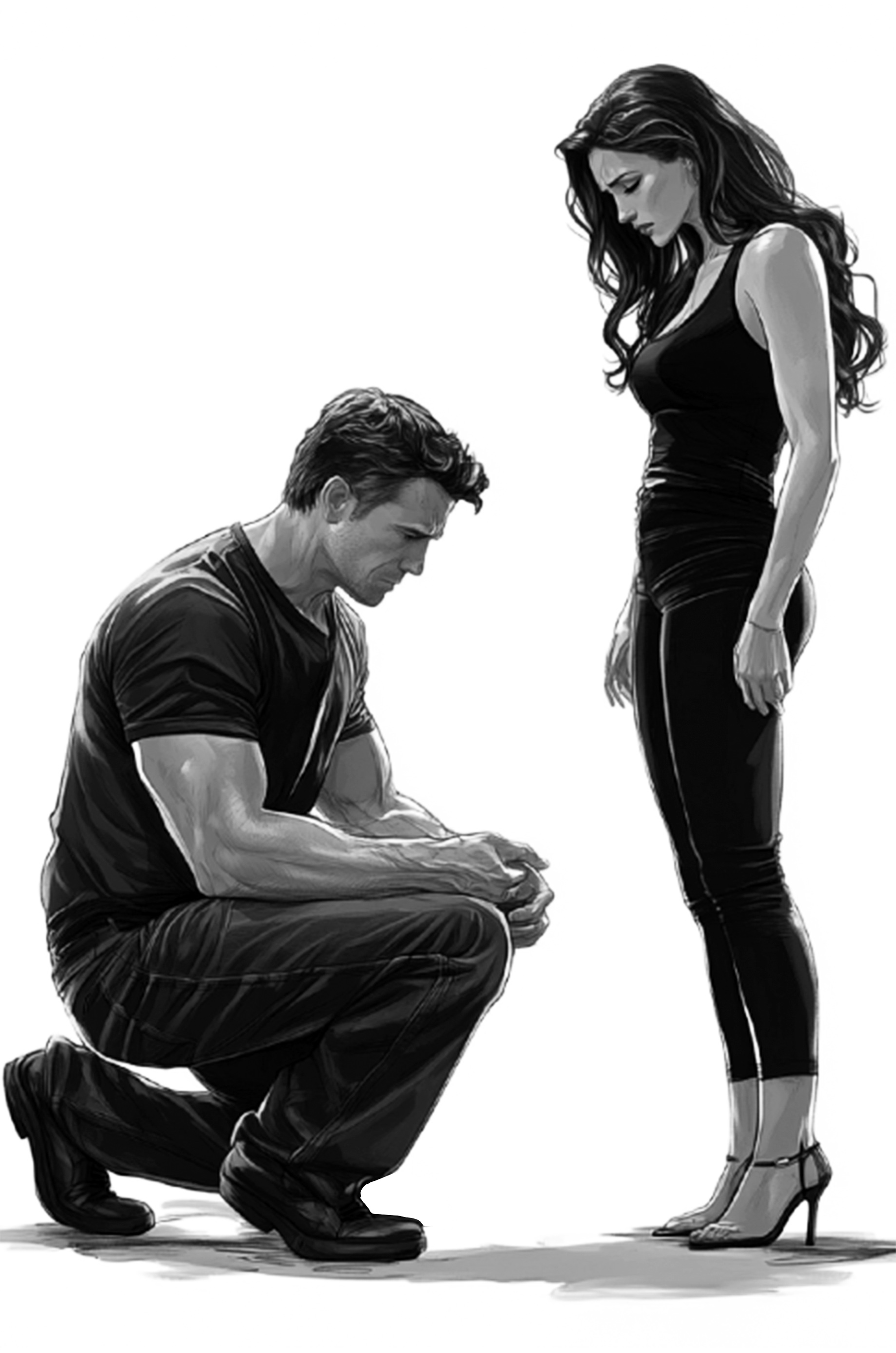
She needed so much more
Than I could give We knew our love could not pretend Broken hearts can always mend
Send her my love Memories remain Send her my love Roses never fade Send her my love
Send her my love — Journey
I’m sorry. For everything.