Germany triples defense outlays over the past decade
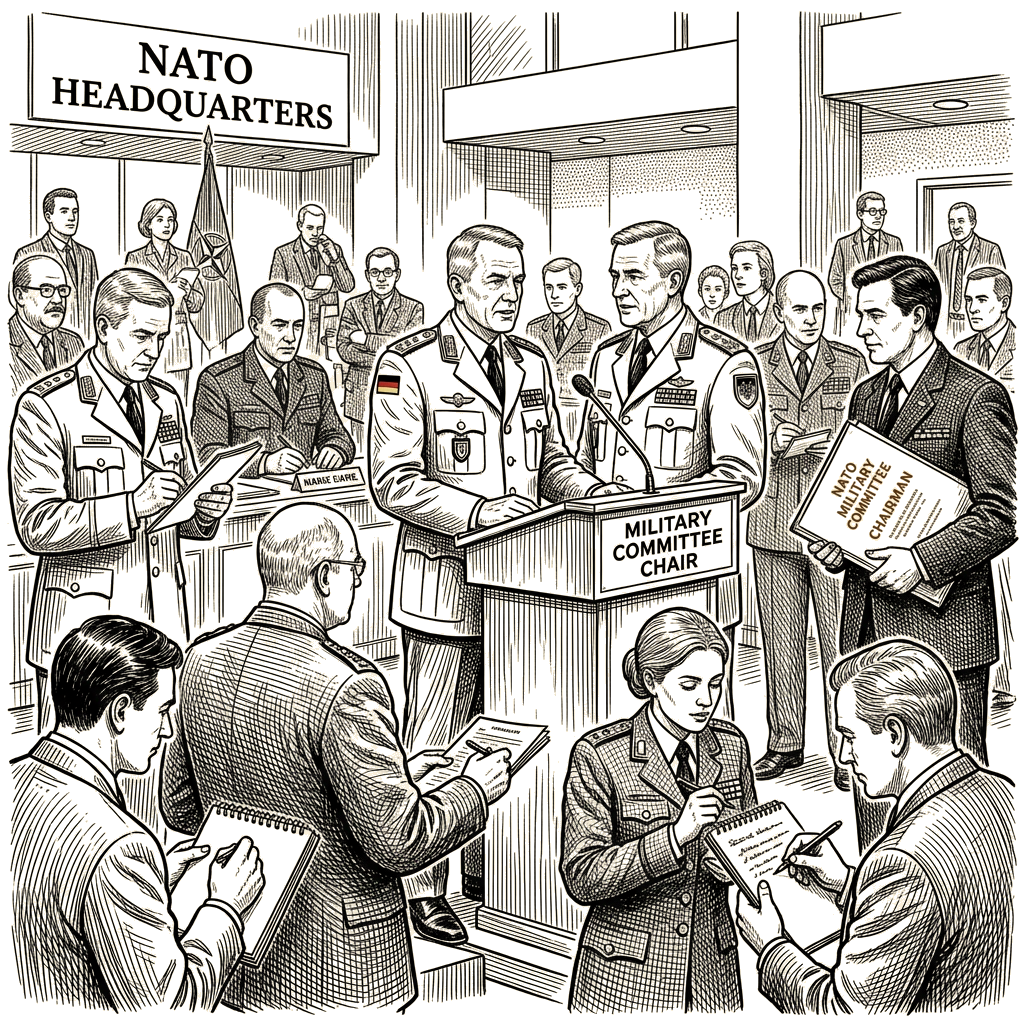
Military commanders from across NATO selected Germany’s top general as the alliance’s next military representative, the Wall Street Journal’s Daniel Michaels reported from Copenhagen. The choice of Breuer further lifts Berlin’s standing among European armed forces as the continent adapts to threats from Russia and to increasing tensions with the Trump administration.
Breuer will take over as chair of the North Atlantic Treaty Organization’s military committee from July, succeeding Adm. Cavo Dragone in the rotating post. The chairman serves as the top military adviser to NATO Secretary-General Mark Rutte, helping connect the 32-country alliance’s political objectives with its military capabilities and plans. NATO’s separate top military role — the Supreme Allied Commander for Europe, or Saceur — has been held by an American since Dwight Eisenhower first filled it in 1950.
Breuer prevailed over Gen. Carignan, who would have been the first woman to hold the post. Both countries have radically shifted their military postures over recent years. Canada, under Prime Minister Mark Carney, has sharply increased its traditionally low military spending to address threats in the Arctic, from China, and across the Atlantic within NATO territory.
Germany’s rearmament has been even more dramatic. Defense Minister Pistorius said German military outlays have jumped 25% compared with the previous year and have tripled over the past decade. The buildup began after Russia’s large-scale invasion of Ukraine in 2022 and accelerated after Chancellor Friedrich Merz took office last year. The Wall Street Journal reported that some neighboring countries are becoming anxious about the scale of German rearmament, given the country’s militaristic past and role in starting the two world wars.
Breuer is an outspoken advocate of the need for Germany, Europe and the broader NATO alliance to adapt to what he described as the painful realities of an increasingly tense geopolitical landscape, particularly Russia’s hostility toward Ukraine’s European allies. Pistorius nominated Breuer for the NATO post seven months ago — unusually long before the scheduled vote.
In recent public remarks, Breuer said Russia has been systematically using drones to probe air defenses in Europe, looking for weaknesses to exploit, amid what he called an intensifying gray-zone campaign aimed at destabilizing the continent’s governments and institutions.
NATO’s 29 European members also face pressure from the Trump administration to raise arms spending and take a more active role in alliance leadership, particularly in the continent’s nonnuclear defenses. On a recent visit to the Pentagon, Pistorius told Defense Secretary Pete Hegseth that “Germany is strengthening its defense capabilities and acts as a driving force in Europe.” He said Europeans “want to take some of the burden off the U.S. and assume primary responsibility for conventional deterrence in Europe over time.”
The post of chair of NATO’s military committee, known as CMC, is more of a high-level intermediary with a bully pulpit than a battle command, and is held by a non-U.S. figure, according to the Journal. NATO’s separate Saceur position has always been held by an American.
“The CMC has one foot in the political side and one foot in the military side of the alliance,” former CMC spokesperson Eleonora Russell told the Journal. “The job entails that you do everything in your power to bring the two worlds together” — ensuring military advice is timely, consensus-based and unfettered.