VA loan program shutdown raised costs for over 15,000 veterans
An NPR investigation found that thousands of military veterans with VA-backed mortgages have faced higher interest rates and monthly payments since last year, after the Trump administration shut down a key part of the VA’s home loan program. More than 15,000 veterans experienced monthly payment increases of at least $150 after their loans were modified due to financial hardship, and more than 700 veterans saw their payments rise by $1,000 or more.
Before it was shut down, the Veterans Affairs Servicing Purchase (VASP) program — created under the Biden administration — helped tens of thousands of veterans who had fallen behind on their payments by rolling missed payments into a new, low-interest mortgage, according to NPR. The mortgage industry and housing groups warned the administration not to kill the program without first creating a viable replacement; without one, veterans had to modify loans at higher interest rates.
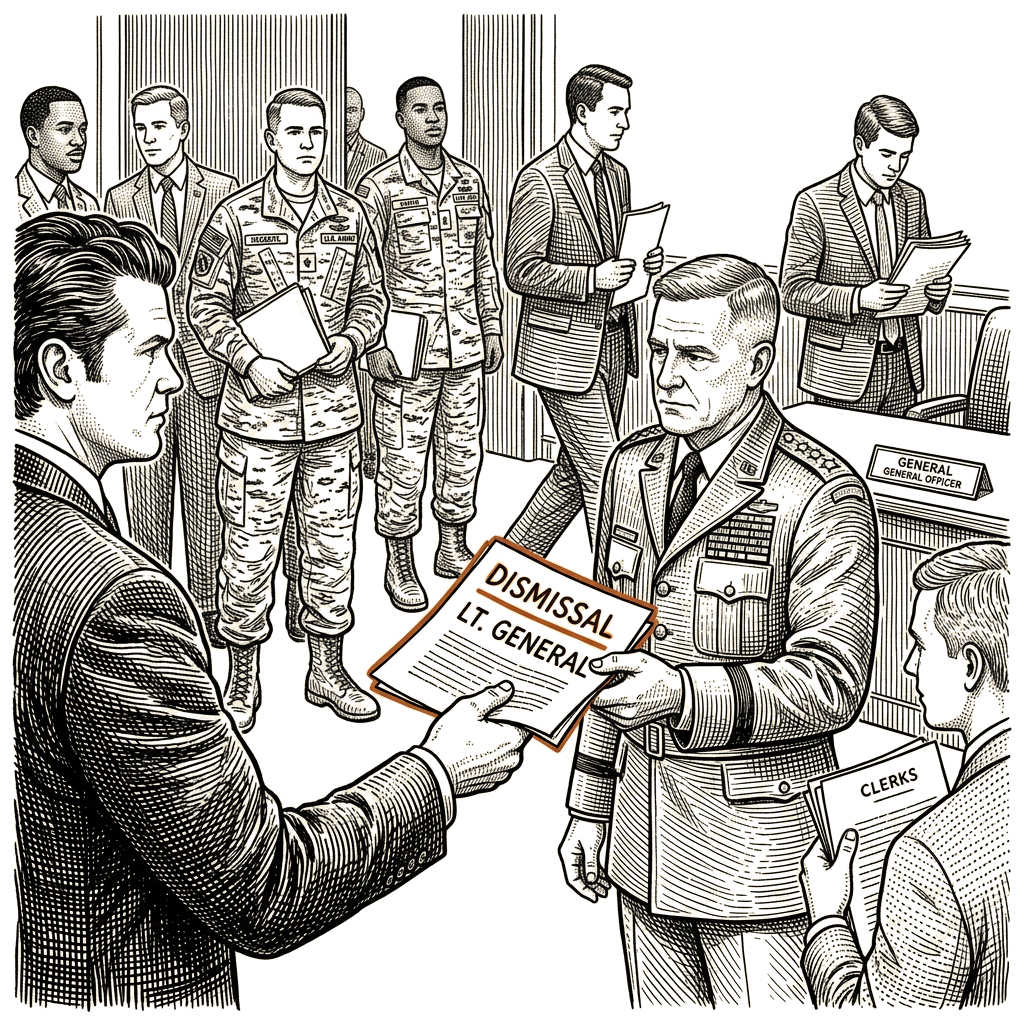
Defense Secretary Pete Hegseth has dismissed Army Lt. Gen. Brett Sylvia, who oversaw planning at the Pentagon and also served on the Joint Chiefs of Staff. His removal comes as the U.S. and Israel prepare for a new potential round of attacks against Iran. Although Sylvia held a senior position in strategy, planning and policy, he was not directly involved in day-to-day operations regarding the Iran conflict, according to NPR.
The Pentagon is investigating a leak but has not provided details, NPR’s Greg Myre said. Hegseth has dismissed several generals and admirals, often without explanation, and the firings have disrupted senior military operations, Myre said. The U.S. currently has two aircraft carriers in the Arabian Sea, with a third, the USS Theodore Roosevelt, en route. Myre said it is unusual for the U.S. to have multiple carriers in one region; the last time it stationed three in the Middle East was during the 2003 invasion of Iraq.
NPR’s Rob Stein, the network’s science desk correspondent and senior editor, reported that the board of directors of the Organ Procurement & Transplantation Network, which runs the nation’s organ system, endorsed relaxing a longstanding firewall between the doctors and nurses trying to save patients in the hospital and the organ retrieval teams standing by to procure their organs. The firewall has long been tied to the “dead donor rule,” under which organs should only be retrieved from a person who is dead and death should never be accelerated to boost the chances their organs will be usable. Stein said that over the years he has heard many stories from family members who nevertheless felt pressured to donate their loved ones’ organs.
The change, which would go into effect Nov. 18, was part of a set of new policies designed to boost donations and improve patient safety. Those changes were spurred by disturbing revelations about mistakes, including patients literally being wheeled into the operating room to remove their organs when they were still alive. Some of the changes were praised as improving safety. But many bioethicists and even some transplant surgeons and patient and organ donation advocates say relaxing the firewall between care and organ retrieval teams is dangerous. The fear is it could lead to families and caregivers discontinuing treatment too soon, and deepening distrust in the organ donation system.
The developments land days before Tuesday’s midterm elections, as President Trump campaigns for at-risk Republicans after abruptly switching to virtual rallies. He is hosting 19 telerallies alongside in-person events, NPR’s Saige Miller told Up First. The shift in strategy, plus polling data, suggests that Republicans may face challenges, at least in the House, Miller said. Miller said Trump’s tour to boost voter turnout has focused largely on competitive Republican-leaning states and that, while Trump knows he is a key motivator for his party, the strategy could also backfire by energizing Democrats.
Alaska’s governor has ordered an investigation following a New York Times report on the state’s toss-up U.S. Senate race. The article revealed that Democratic campaign operatives were attempting to recruit a candidate, whom Republicans claim could confuse voters and siphon support from GOP incumbent Dan Sullivan. The candidate also shares the name Dan Sullivan. Alaska Public Media’s Liz Ruskin spoke with election law experts, who found no applicable laws but noted that the conduct described crosses moral and ethical lines. Democrat Mary Peltola, a former congresswoman, aims to flip the seat.
The Justice Department subpoenaed election workers in Los Angeles amid rising tensions with California officials over the Trump administration’s efforts to identify noncitizens on voter rolls. At the start of the election cycle, Democrats appeared unlikely to gain Senate seats because many races were in red states, but the ongoing war in Iran has changed the landscape, according to NPR.
Sir Patrick Stewart, who played Professor X in the X-Men franchise and the captain of the starship USS Enterprise on Star Trek: The Next Generation, died on Wednesday at 86. A new study in Science shows that a species of bird called the Manx shearwater experiences jet lag similar to humans. Researchers found that during long flights across the Atlantic, these birds become disoriented as their internal clock falls out of sync with the sun.
For the Halloween weekend, NPR highlighted the horror film “Clayface,” which embraces body horror to tell the origin story of the eponymous Batman villain. Tom Rhys Harries stars as an actor who turns to AI and nanotechnology for a radical solution after a mob boss disfigures him. HBO’s “War” features Dominic West and Sienna Miller as a British couple battling it out in a high-stakes divorce, with their fierce legal teams intensifying the drama.
Elizabeth McCracken’s “Seven Stories About Tammy” weaves together interconnected short stories about a family’s experiences with the eldest son’s girlfriend. Slovakian singer Adéla has recently gained attention with her hit song “Nicole Kidman”; in an interview with NPR’s World Cafe, she discussed the music industry and her debut album, “PRIMA.” In this week’s installment of Far-Flung Postcards, NPR’s Jane Arraf sends greetings from the former home of English mystery novelist Agatha Christie, located on the banks of the Tigris River in Baghdad. The house now stands abandoned and crumbling.